Fieldcraft & Finding Wildlife
Fieldcraft is the difference between hoping wildlife appears and understanding where, when and how to look for it.
Finding wildlife consistently means learning to read the landscape, recognising the places animals are likely to use, understanding wind, cover and approach, and knowing when the best decision is simply to stop and wait.
The guides in this section focus on the practical skills that make wildlife encounters more predictable, from finding productive habitat and seasonal food sources to choosing observation points, approaching animals without disturbance and recognising the subtle behavioural clues that tell you what to do next.
There are no guarantees in wildlife watching, and that is part of the appeal. But good fieldcraft can shift the odds considerably in your favour.
Fieldcraft over chance.
Start Here: The Principles of Good Fieldcraft
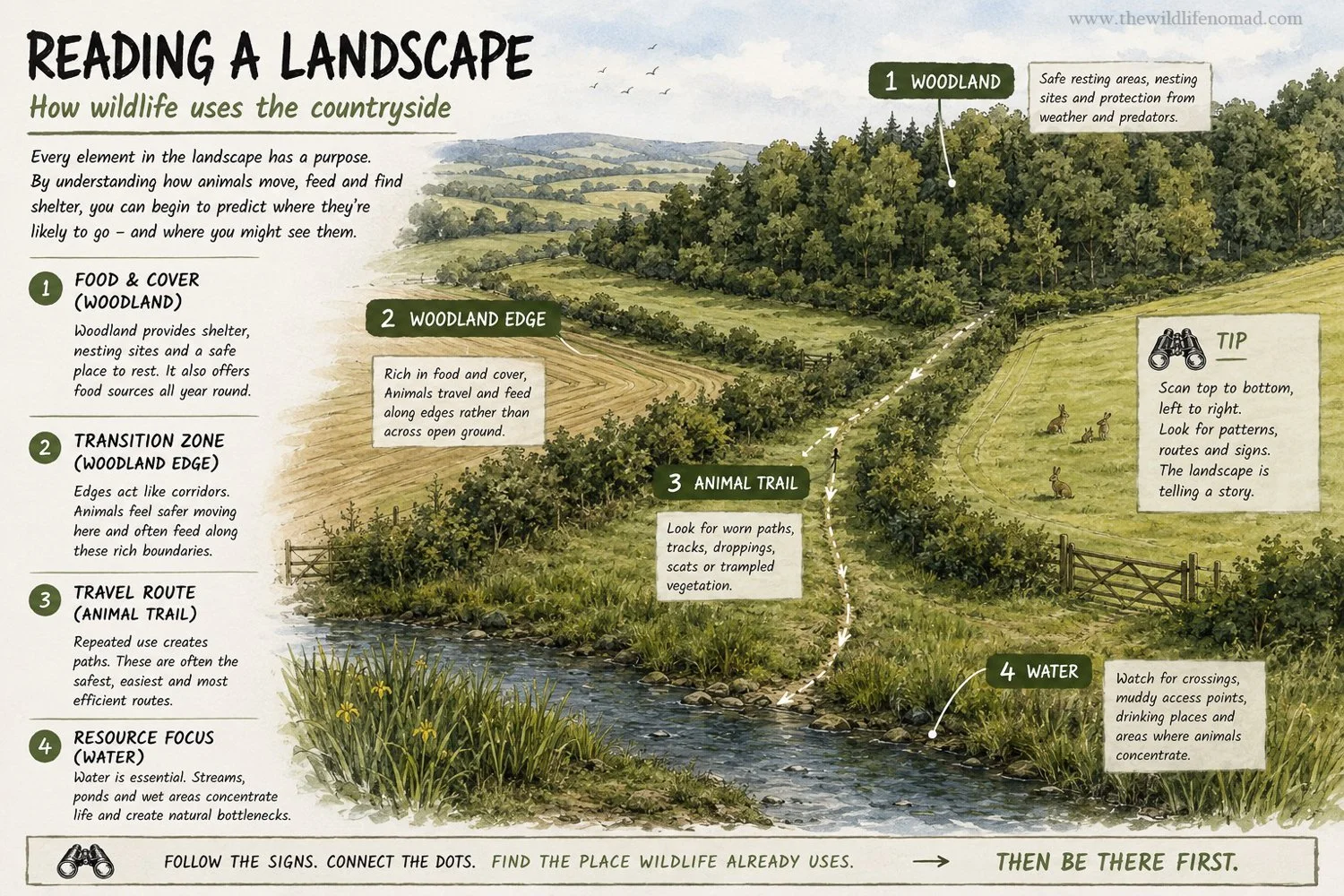
Want to see more wildlife? Learn how wildlife fieldcraft can help you find animals by reading the landscape, identifying food, water, shelter and movement corridors.
Learn how to use animal movement, wind, cover and careful positioning to create closer wildlife encounters without chasing or disturbing the animal.
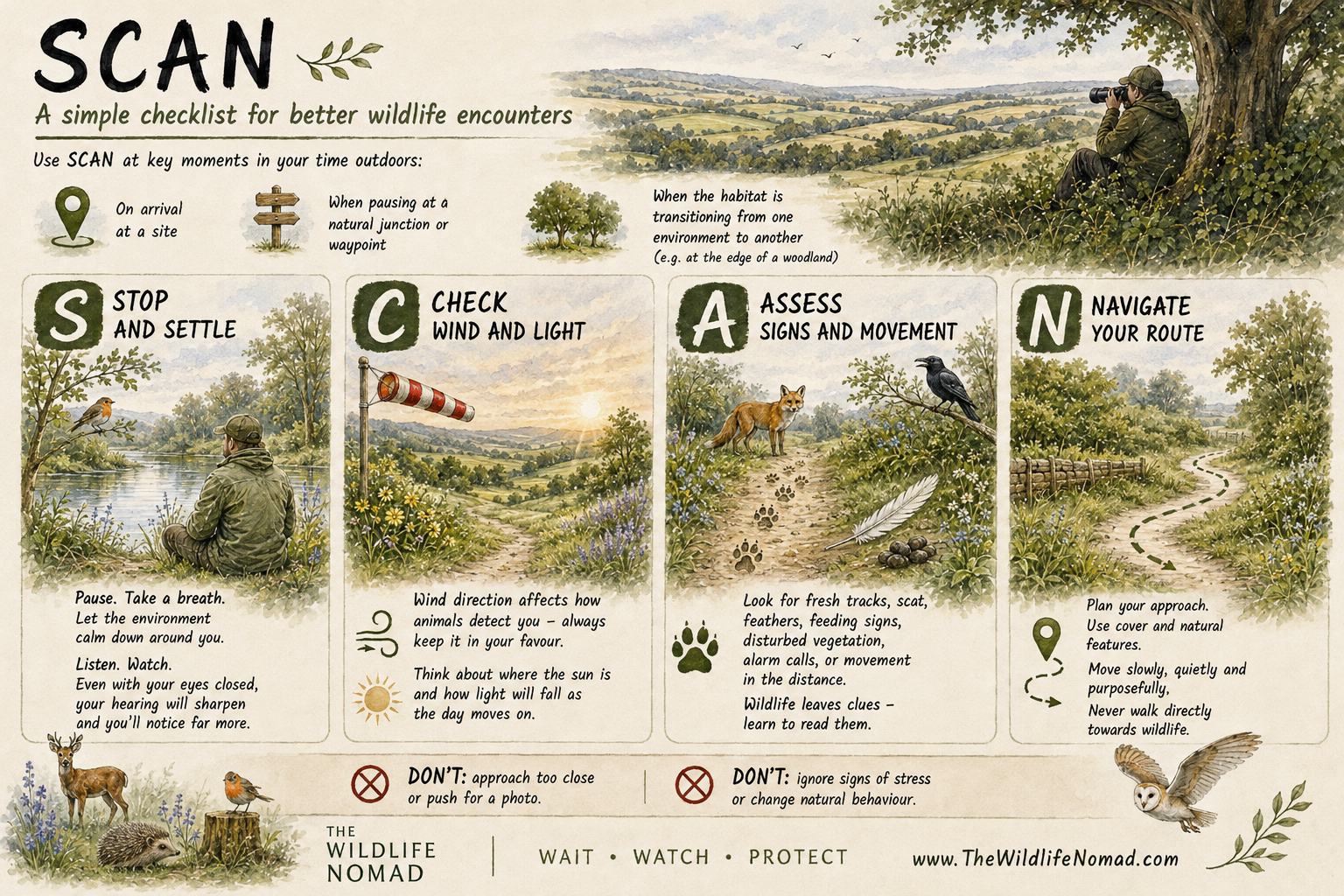
Discover SCAN, a practical fieldcraft method for finding wildlife. Learn how to Stop, Check, Assess and Navigate through UK habitats based on 35 years of experience in the field.
Reading the Landscape
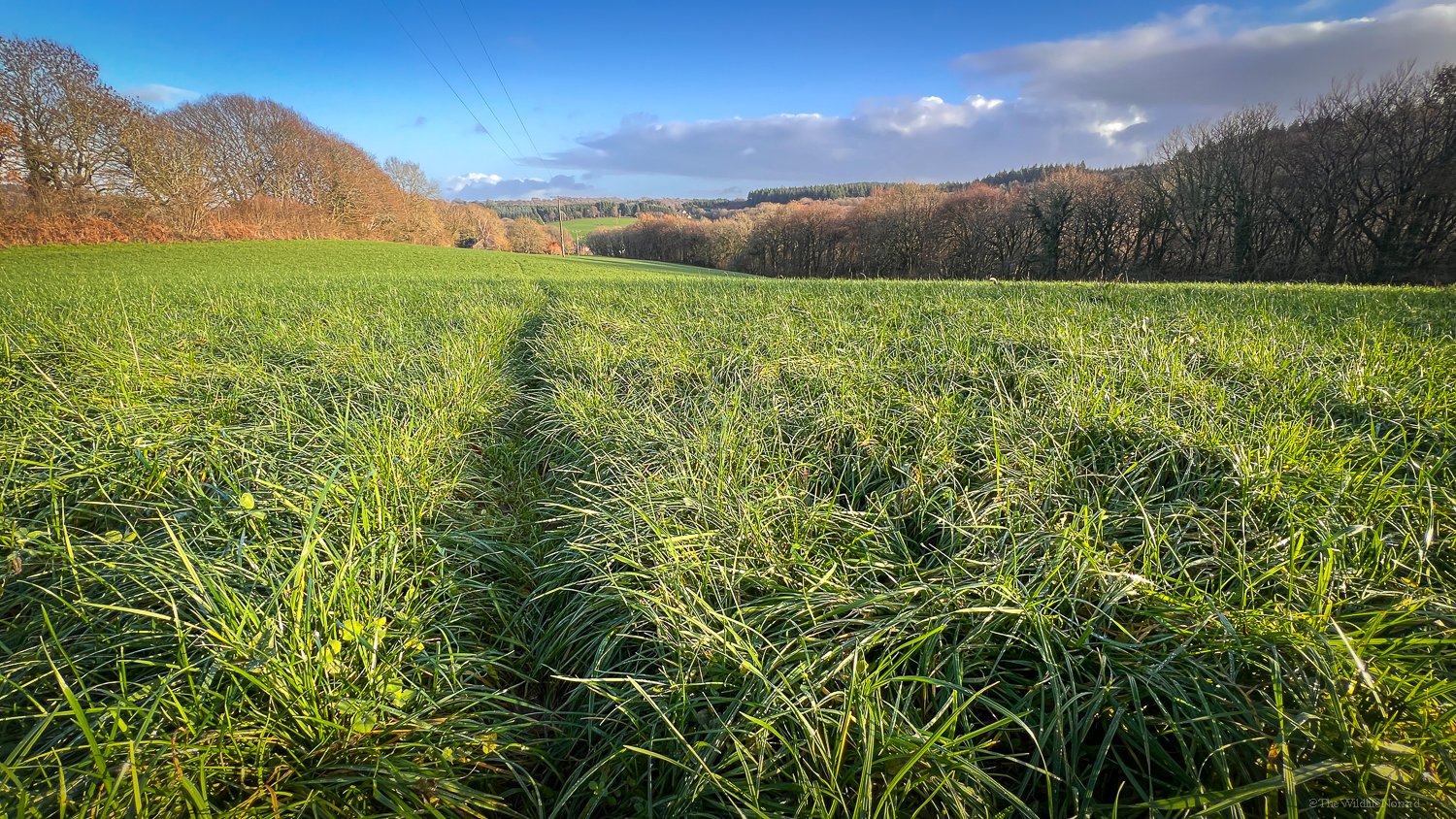
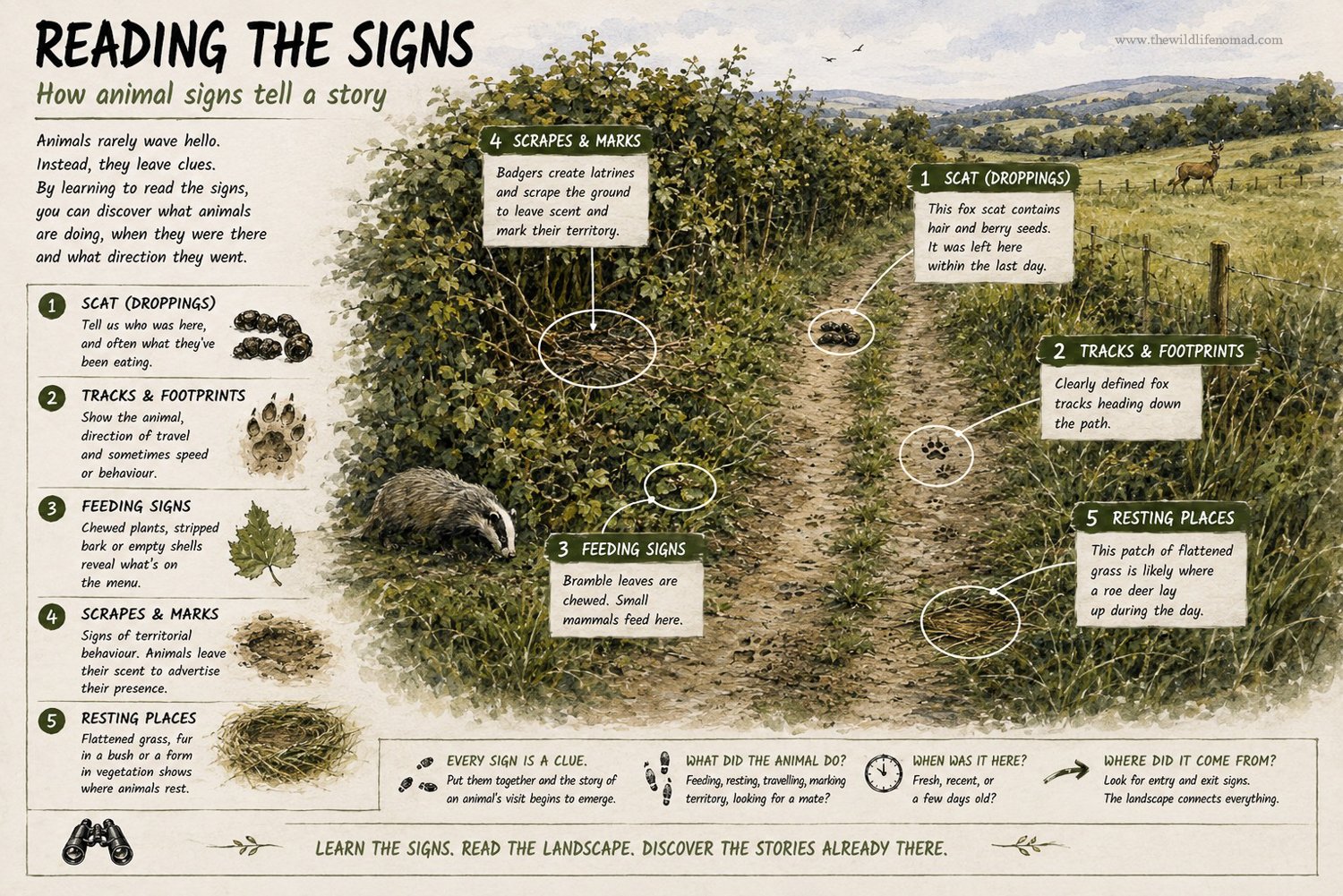
Learn how foxes, badgers, deer and other wildlife use paths, rides and field edges, and how to read these routes for better wildlife watching and ethical photography.
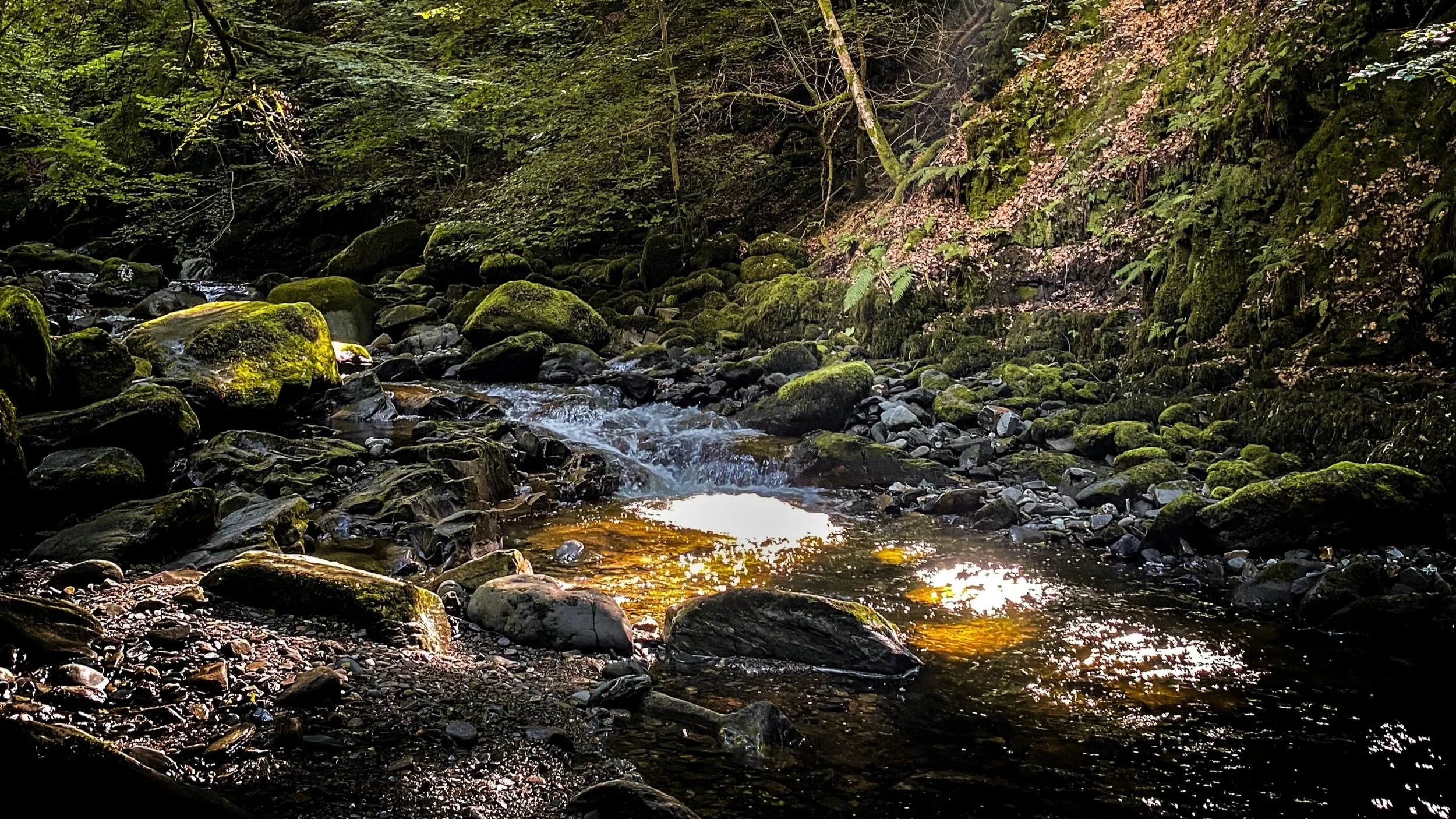
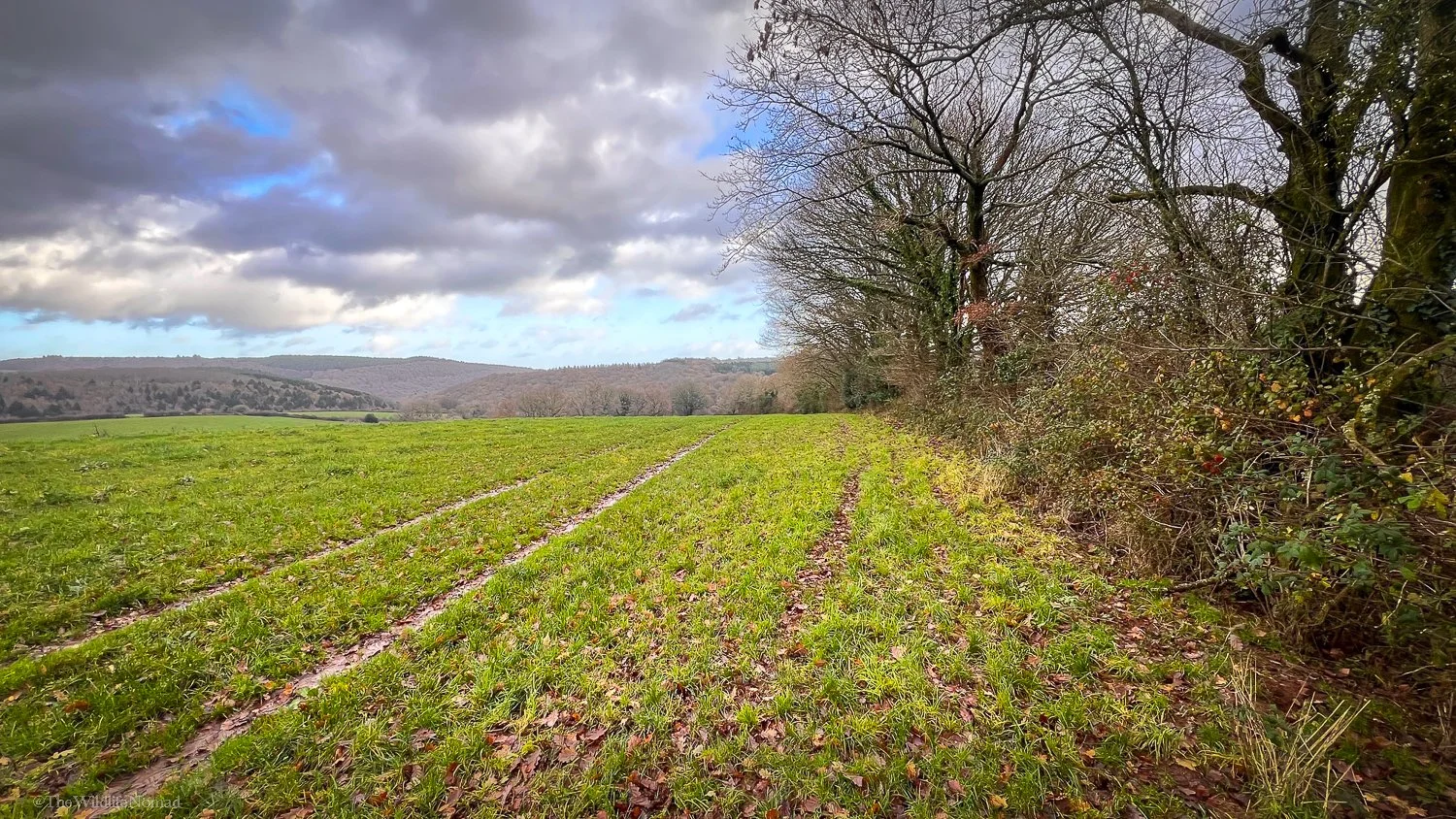
Learn to find wildlife by understanding microhabitats. A practical field guide to spotting animals, predicting behaviour, and choosing low-impact vantage points in Britain’s woodlands, farmland and rivers.
Learn how to read winter hedges for signs of badgers, foxes and birds. Understand their microhabitats, movement patterns and fieldcraft techniques for ethical photography.
Using Your Senses
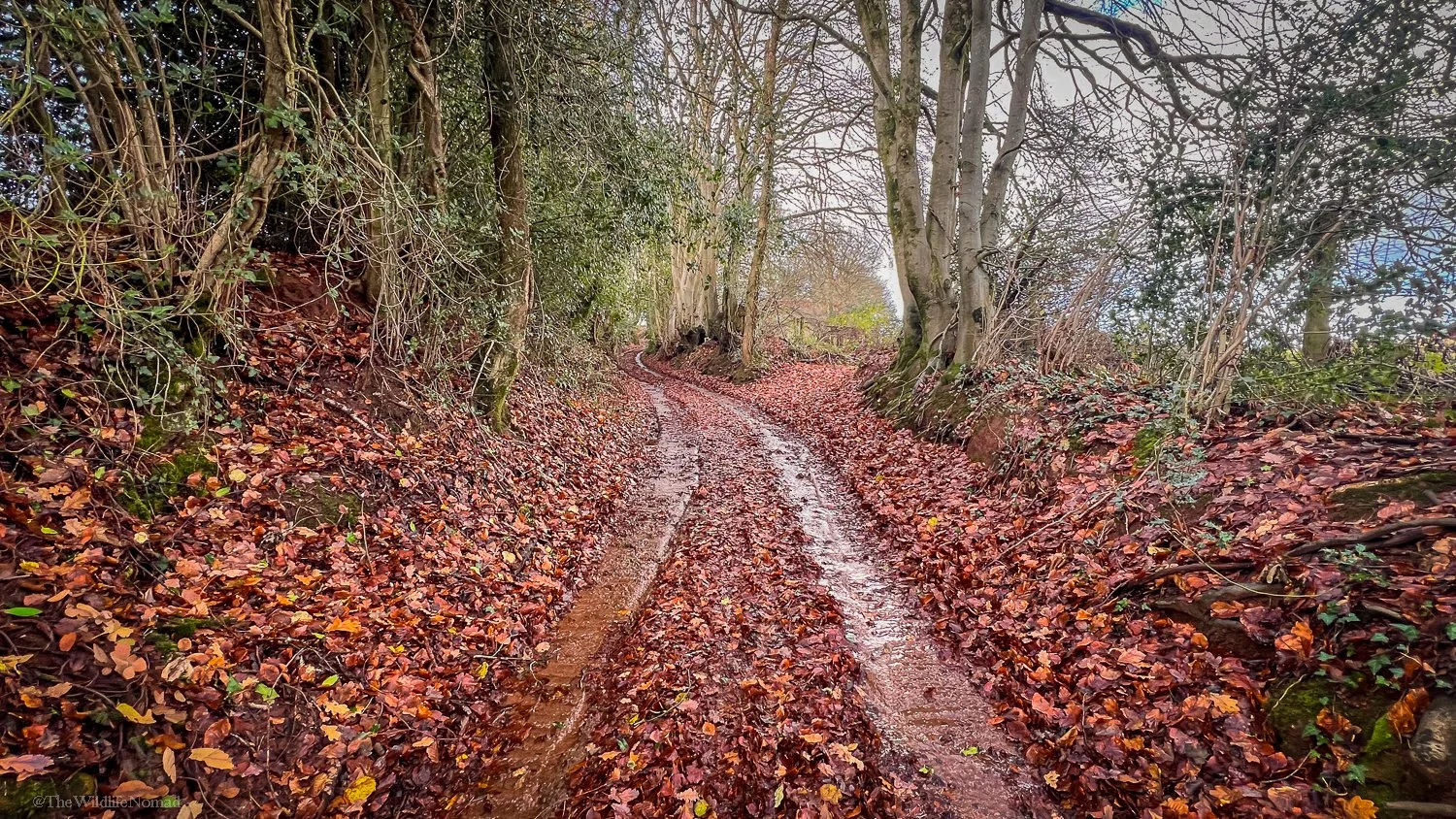
Wind shapes how wildlife moves, listens and uses the landscape. Learn to read airflow, sheltered edges and shifting scent to predict where animals may appear. Better wind awareness means fewer disturbed animals and more natural encounters.
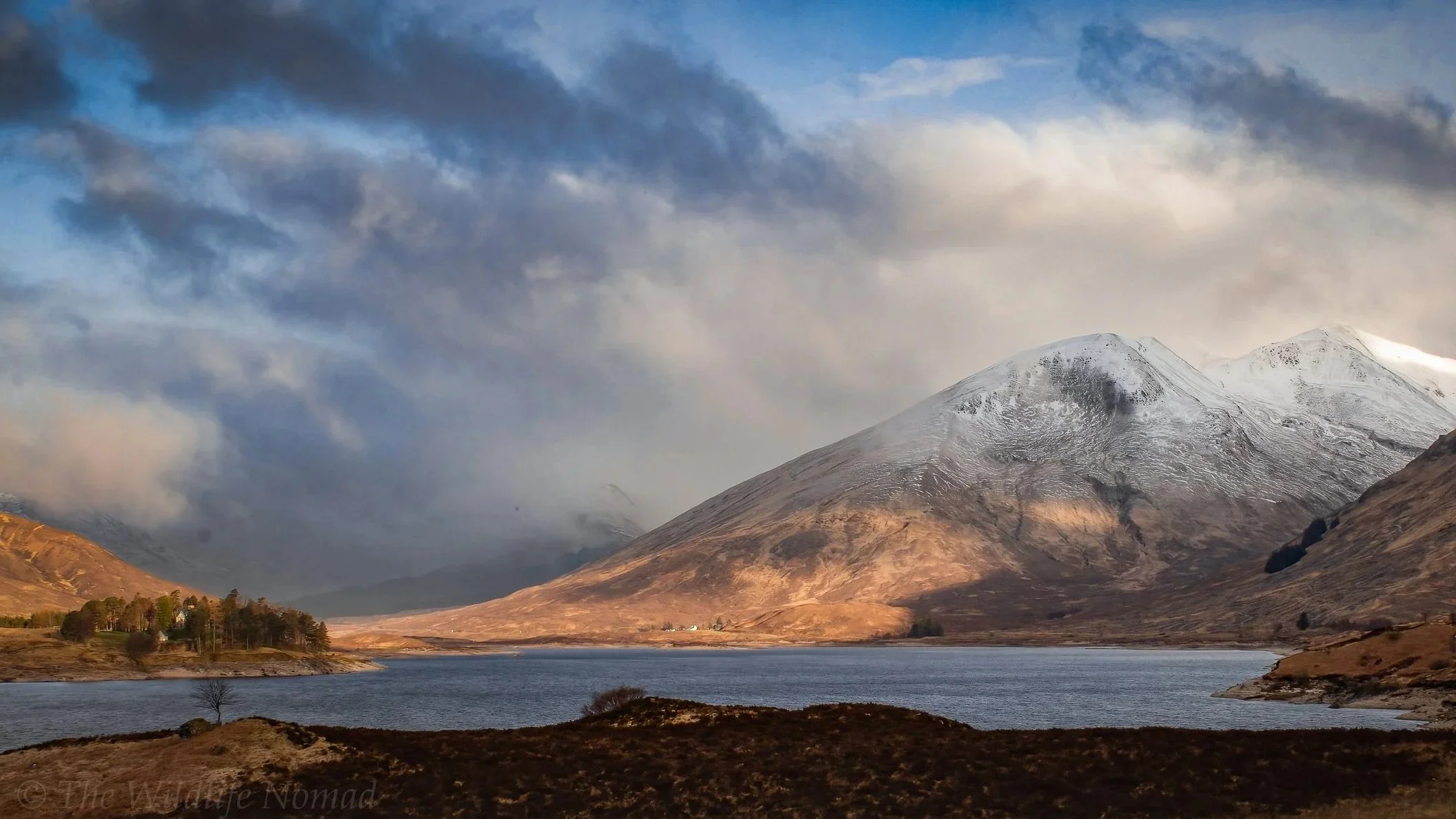
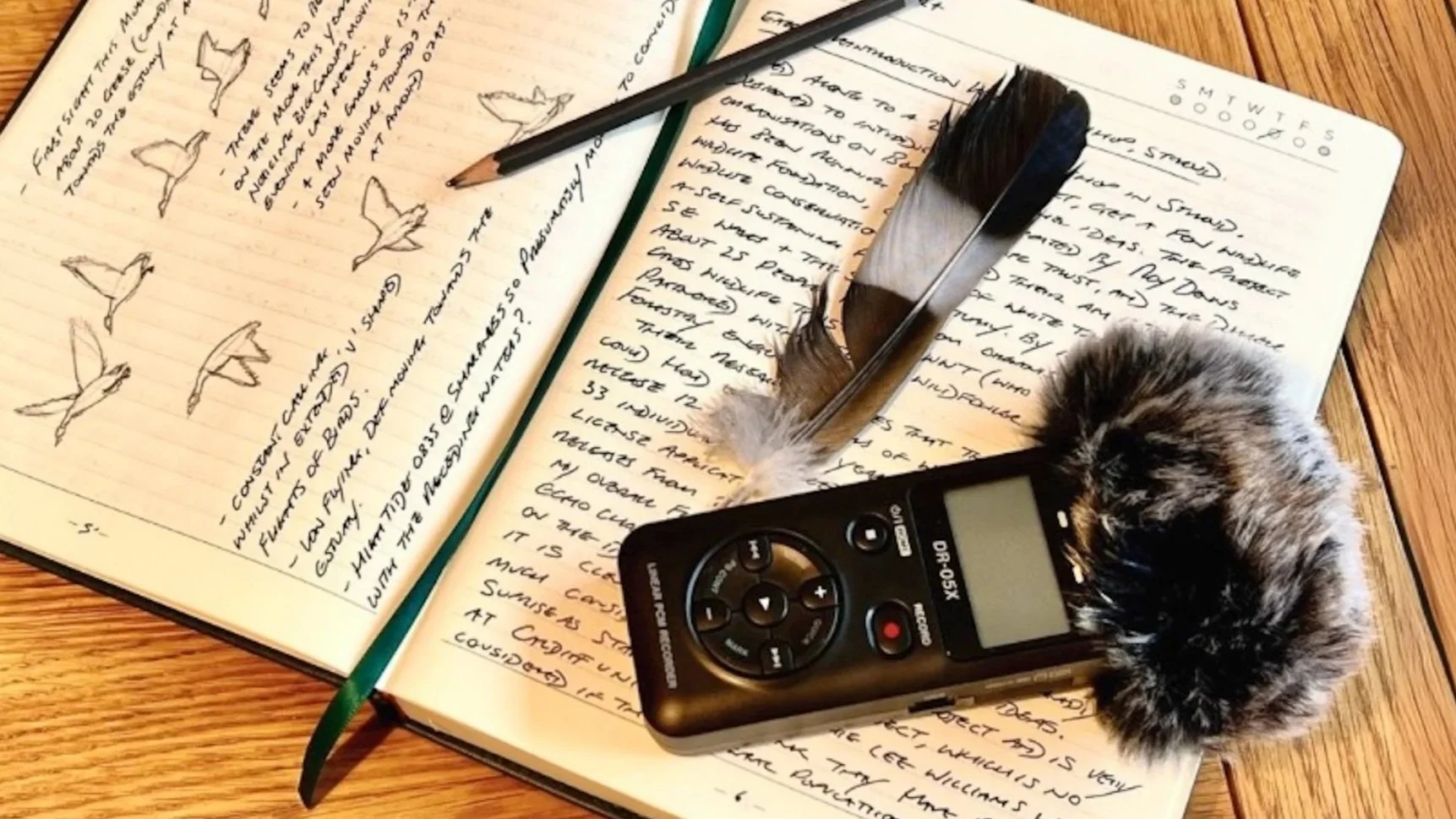
Winter strips the landscape back and makes wildlife easier to read. Bare trees, open ground and clearer sightlines reveal tracks, trails and movement often hidden at other times of year. Use these seasonal clues to find more wildlife.
Wildlife often reveals itself through sound before you see it. Learn to recognise alarm calls, movement and changes in the soundscape to locate animals and anticipate behaviour. Better listening can transform how you find wildlife.
Approach and Ethics
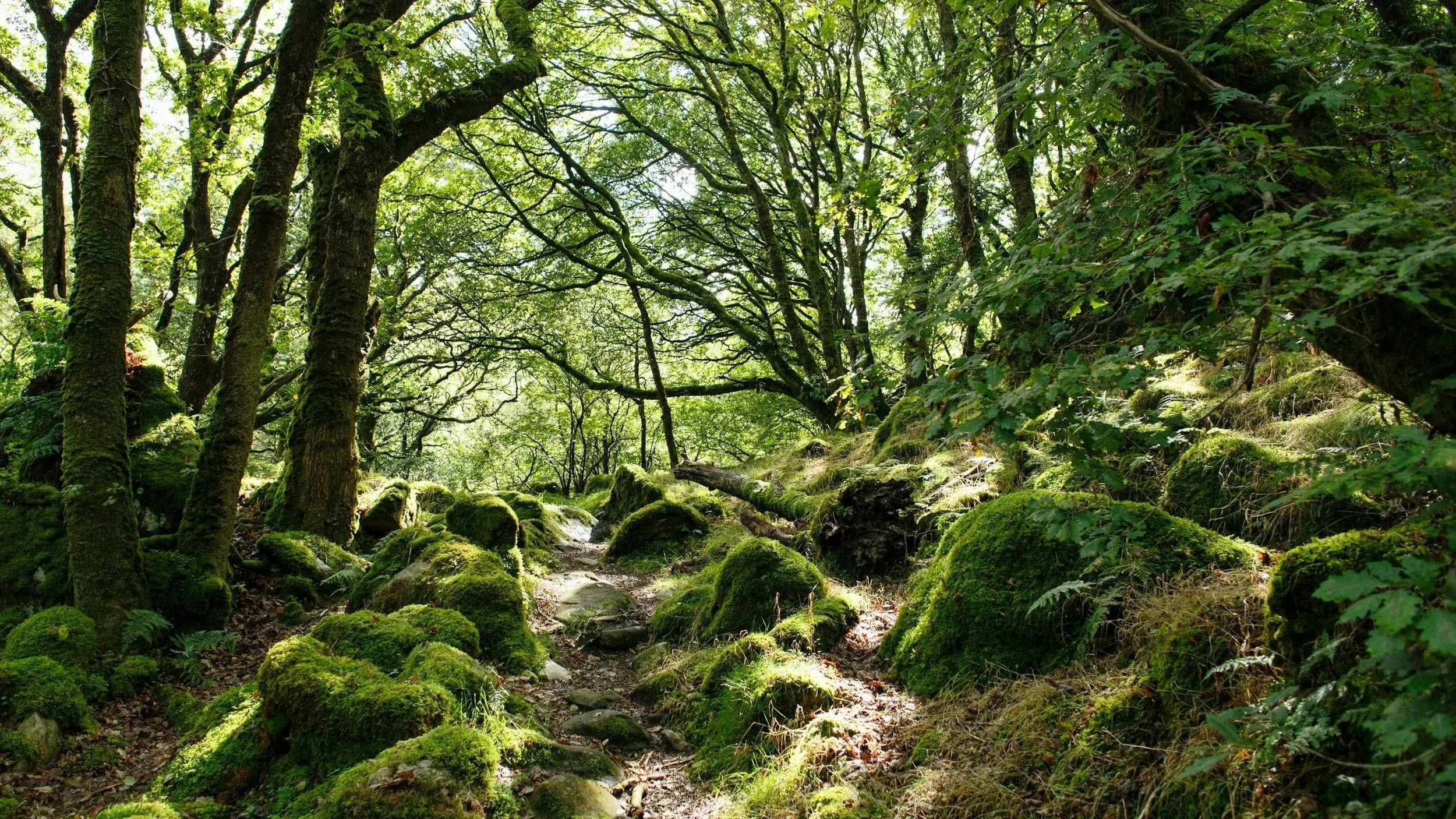
Getting closer to wildlife is about more than moving quietly. Learn how wind, cover, pace and animal behaviour shape a successful approach. Good fieldcraft means better encounters, natural behaviour and less disturbance.

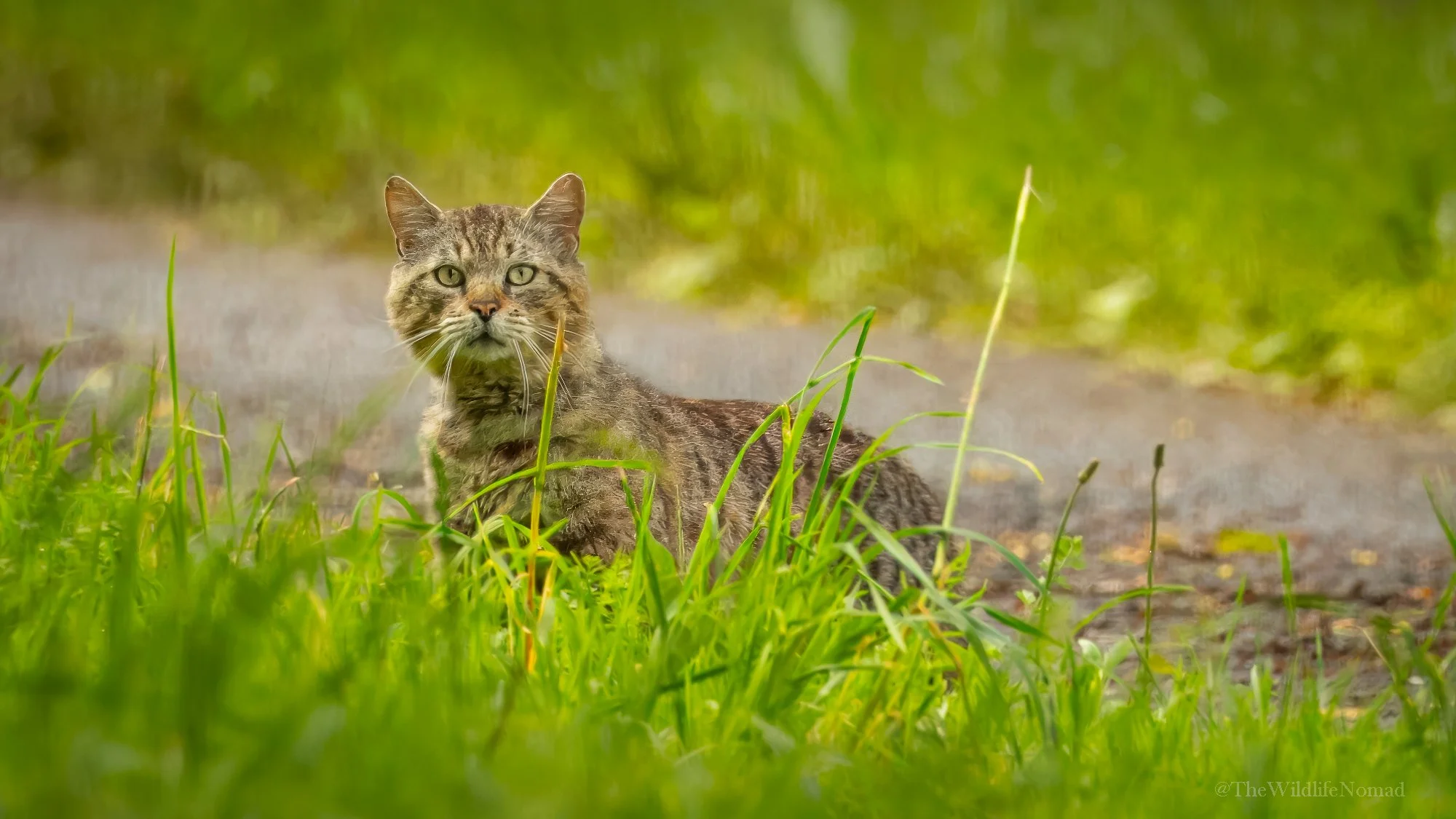
Ethical wildlife photography is about more than keeping your distance. Learn how fieldcraft, patience and reading behaviour help you recognise disturbance, make better decisions and photograph wildlife without putting the image first.
Finding wildlife starts with learning how to read the landscape. Discover how habitat, food, water, cover and field signs can reveal where animals are likely to be. Better observation means less stress and more natural encounters.
Back to the Hubs……