

Fieldcraft Friday: How Winter’s Bare Landscape Helps You See Wildlife More Clearly
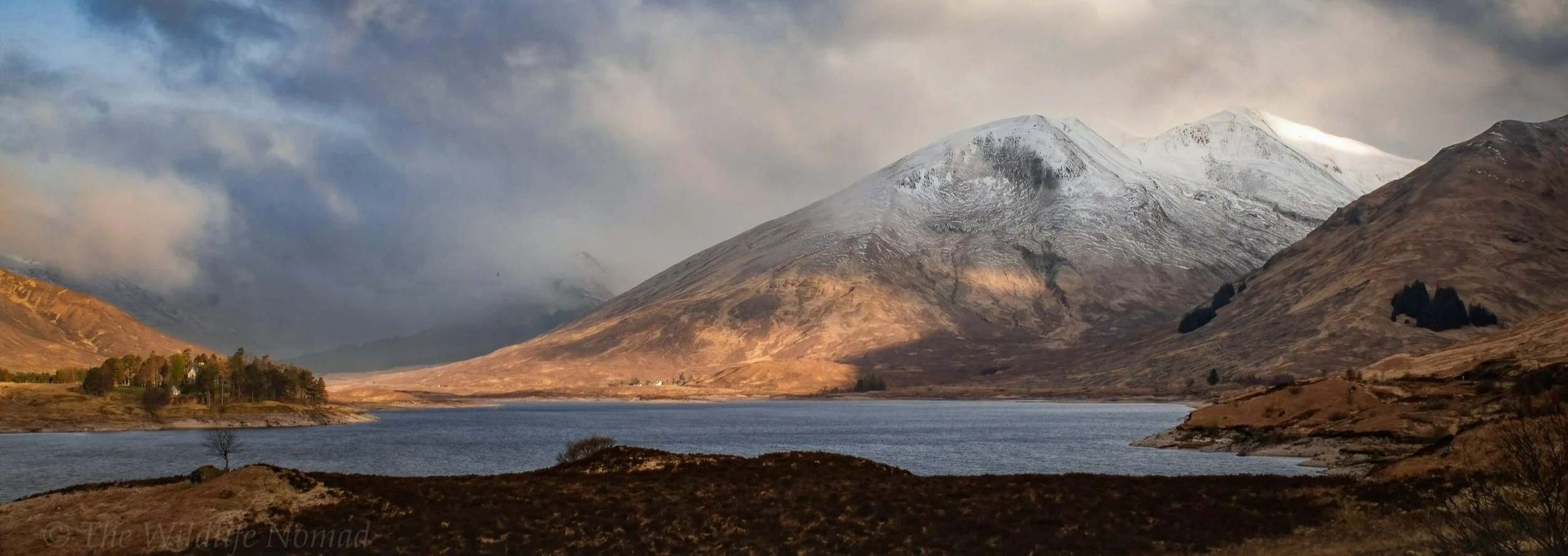
What Winter Takes Away (and Why That Helps You See Better)
Winter is often framed as a season of absence. The leaves are gone, the hedges look thin, birdsong fades, and the countryside seems to retreat into itself. For many people who love wildlife or photography, it feels like a pause between more productive months, a time to endure rather than explore. The energy of autumn has drained away, and spring still feels distant.
But this sense of emptiness is misleading. Winter does not remove wildlife from the landscape so much as it removes distraction. What disappears is not life, but noise. And in doing so, winter offers something rare: clarity.
Most seasons add layers to the land. Spring overlays sound and urgency as birds advertise territories and insects reappear. Summer piles on foliage, colour, and abundance until the landscape becomes visually dense and behaviourally complex. Autumn adds richness and movement as food peaks and animals prepare for what comes next. Winter, by contrast, subtracts. Leaves fall, growth halts, and activity becomes measured. What remains is the underlying structure of the landscape and the essential decisions animals make to survive within it.
For anyone interested in truly understanding wildlife, rather than simply encountering it, this subtraction is invaluable.
When Quiet Is Not the Same as Empty
In winter, animals are no longer free to behave casually. Energy matters in a way it does not during periods of plenty. Exposure matters. Movement carries cost. Mistakes are harder to recover from. As a result, behaviour becomes more deliberate and, paradoxically, easier to interpret if you are prepared to slow down and watch without expectation.
One of the most useful habits you can develop in winter is to stop interpreting silence as failure. Instead of moving on when nothing appears to be happening, remain in place a little longer than feels comfortable and watch how the land settles after your arrival. Often the first signs of life are subtle rather than dramatic: a robin dropping lower into cover, a blackbird stepping cautiously into the open, a magpie shifting position rather than calling.
These moments matter. They tell you that normal movement is resuming.
Another quiet but powerful practice is to notice how long your presence suppresses activity. If you arrive noisily, observe the delay before anything reappears. That pause is a measure of pressure, not absence. In winter, wildlife does not vanish. It compresses.
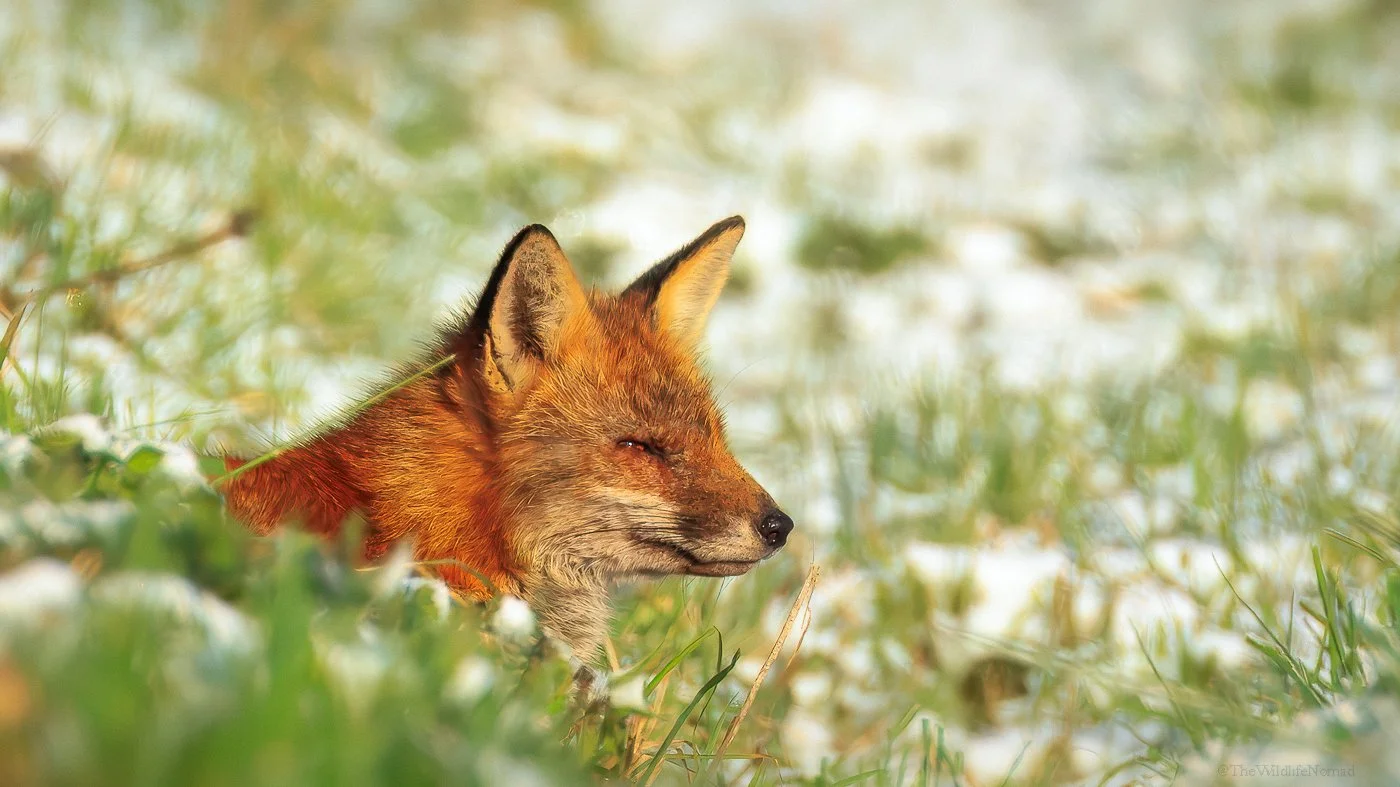
How Winter Reveals the Shape of the Land
As foliage disappears, the skeleton of the landscape begins to show itself. Routes that were once concealed become legible. Rides through woodland, hedgerow lines, sunken lanes, and subtle contours in the ground all begin to assert themselves. Without the visual clutter of leaves and undergrowth, it becomes easier to see how movement is shaped by the land rather than scattered across it.
A practical way to read this is to walk less and look more laterally. Let your eyes follow hedge bases, the sheltered side of banks, and lines that sit just below ridges rather than on top of them. In winter, animals often move where wind exposure is lowest and footing is reliable. Paths that trace these features are rarely accidental.
Winter also rewards return visits. With growth slowed, change stands out clearly. New tracks appear, older ones soften, and patterns begin to separate from coincidence. A route used repeatedly when alternatives exist tells you something about preference, safety, and efficiency. Winter gives you time to notice what persists rather than what merely passes through.
Seeing Differently When Colour Falls Away
Winter is often criticised for its muted palette. Browns and greys replace the saturated colours of other seasons, and the landscape can feel stark. Yet colour is only one way the eye reads a scene. In winter, contrast does much of the work.
Movement against stillness becomes easier to detect. Shape and posture stand out where they were once lost in texture. Low winter light skims across the land, exaggerating form and revealing subtle changes in angle and intent.
One useful discipline is to soften your gaze. Instead of searching for recognisable shapes, allow your peripheral vision to register change. A slight head lift, a pause, or a shift in body angle often gives an animal away long before it is consciously identified. Positioning yourself so light travels across your field of view rather than directly toward you further enhances this effect.
Winter teaches you to see intention before appearance, and that skill carries into every other season.
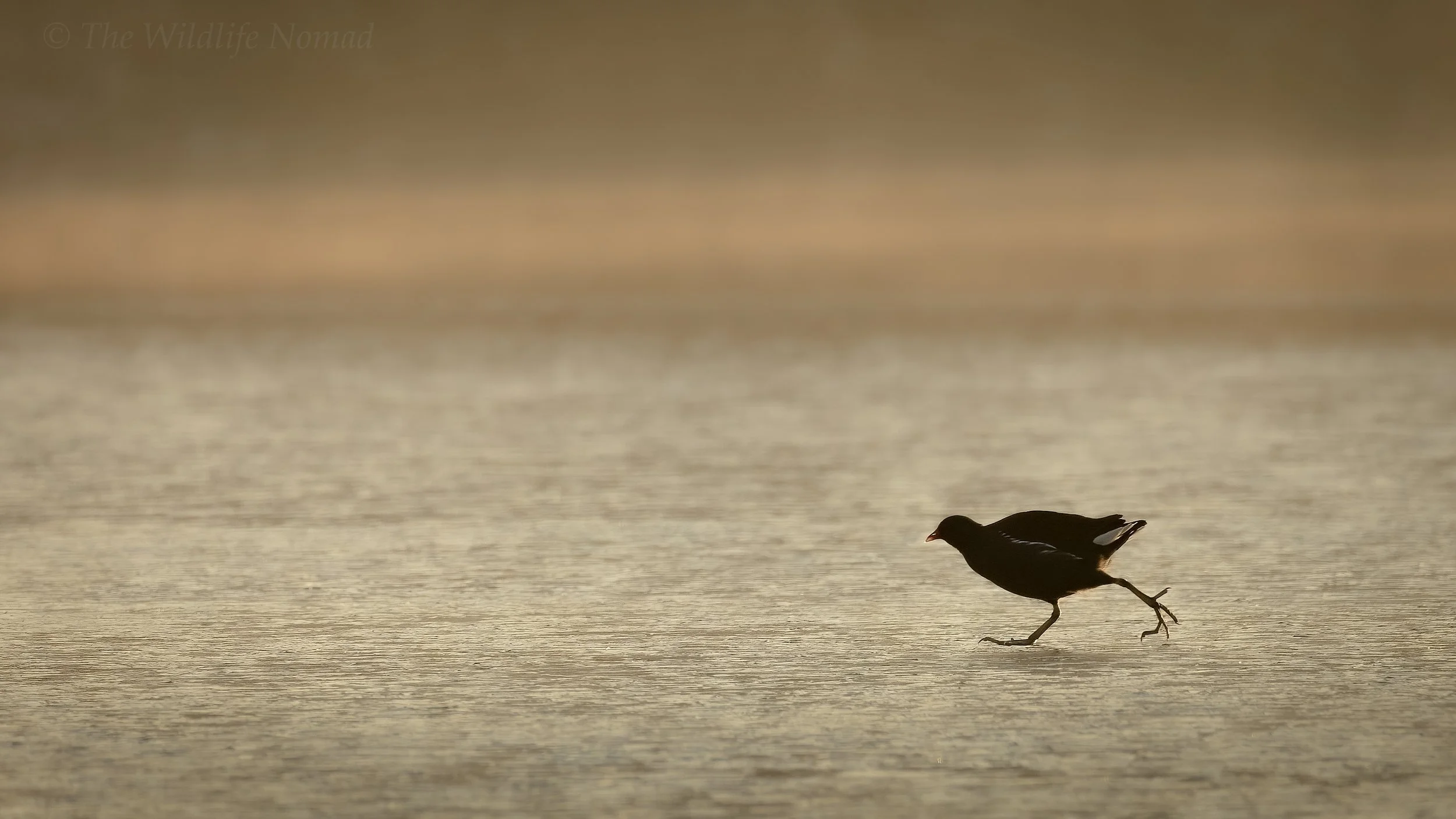
What Winter Teaches If You Let It
Perhaps the most valuable lesson winter offers is not found in where animals go, but in where they do not.
When conditions are forgiving, wildlife can afford flexibility. In winter, choice narrows. Energy budgets tighten, exposure matters, and unnecessary risk is avoided. The landscape becomes divided not just into routes and shelters, but into areas that are quietly rejected.Learning to read these avoided spaces is one of the most useful winter fieldcraft skills you can develop. An open field edge that looks suitable yet holds no tracks after frost or rain is telling you something. A hedgerow that appears ideal but shows no feeding sign may be too exposed, too visible, or too frequently disturbed. Winter makes these absences legible in a way other seasons rarely do.
A practical approach is to compare neighbouring features. Two similar banks, two edges, two woodland margins. Ask why one is used and the other ignored. The answer is often subtle: a shift in aspect, a cold air drain, a difference in footing, or a sightline that exposes movement. This trains you to think in terms of decision-making rather than discovery. Instead of asking where something might appear, you begin asking what would make a place a poor choice today. In winter, animals are excellent teachers of this logic because their margins for error are small.
Over time, this habit reshapes how you move through the land. Areas that once felt empty gain meaning. You begin to understand not just where wildlife survives, but how it evaluates risk…..and this is where winter quietly reinforces a deeper ethic. To read the land well, you must first be willing to pause. To understand behaviour, you must resist the urge to interfere. To protect wildlife, you must recognise when not to act.
Winter teaches this sequence naturally.
Watch carefully.
Wait patiently.
Protect by knowing when to step back.
Other Blogs of Interest
How Wind Affects Wildlife Movement: Fieldcraft Guide to Reading Scent, Sound and Behaviour
How to Read Winter Hedges for Wildlife Behaviour and Fieldcraft
——————————-
Frequently Asked Questions
Why does wildlife seem less active in winter?
Many animals reduce visible movement in winter to conserve energy and limit exposure. Activity often becomes shorter, quieter, and more carefully timed rather than disappearing altogether.
How can winter improve wildlife observation skills?
Winter removes visual and behavioural clutter, making routes, shelter, and decision-making easier to read for those willing to slow down and observe.
Is winter a bad time for wildlife photography?
Winter can feel challenging, but it helps photographers develop stronger skills by focusing on light, form, contrast, and behaviour rather than abundance.
Are animals more sensitive to disturbance in winter?
Yes. Limited food and harsher conditions mean disturbance carries a higher energetic cost, making animals more likely to withdraw or alter behaviour.
What should nature watchers focus on during winter walks?
Winter is ideal for observing tracks, repeated routes, shelter, and areas of avoidance, all of which reveal how animals assess risk and move through the landscape.