

Fieldcraft Friday: How Animals Use Paths, Rides and Field Edges
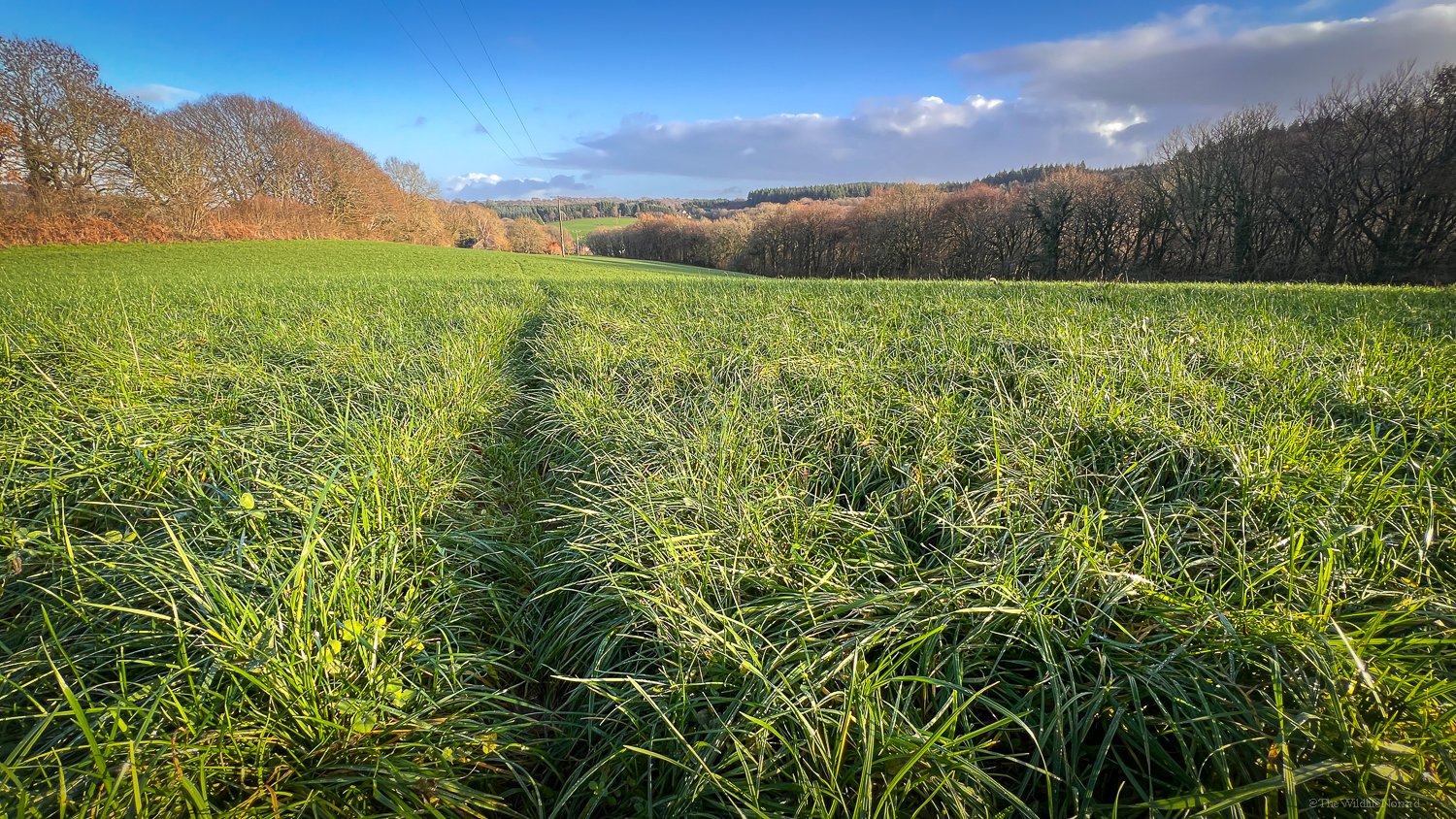
Most people notice paths because they make walking easier. Wild animals use them for very different reasons, and that’s why most people stand in exactly the wrong place when watching wildlife.
After more than 35 years of watching and photographing wildlife, one lesson has remained constant: animals rarely move randomly. Even in open countryside, their movement is shaped by lines. Paths, rides and edges act as corridors defined by cover, scent, wind and habit rather than convenience. Once you learn to read those routes properly, paths and edges stop being something you walk along and start becoming something you interpret.
Following Badger Paths into Greenwood
I didn’t find the main sett by chance. I found it by following paths.
It started with a latrine on the northern boundary of the territory. From there, well-used paths led into the first feeding area. Digging and feeding signs confirmed its importance. From that area, paths continued downhill toward the edge of Greenwood. By following those routes carefully, I found the annex sett. From there, more paths radiated deeper into the woodland and eventually led to the main sett.
Without recognising and trusting those lines, I would have missed both. The badgers had already mapped their territory. All I had to do was read it. Badgers are particularly instructive in this respect. In open pasture they are mainly feeding, but when they commit to moving between key locations, they do so along established routes that reduce effort and exposure.
A Fox Path Through Long Grass
One of the clearest lessons came in early summer several years ago.
It was late May into June and the grass along the edge of a small woodland had grown long enough to look uniform at first glance. But running alongside that woodland edge, then slipping quietly into the trees, was a faint line. Not flattened like a footpath. Just subtly different. When I slowed down and lowered my gaze, the signs became obvious. Grass bent consistently rather than broken. Seed heads missing along a narrow strip. From ankle height, the land revealed a pattern that wasn’t visible from standing upright.
Following that line with my eyes rather than my feet led directly to a fox earth.
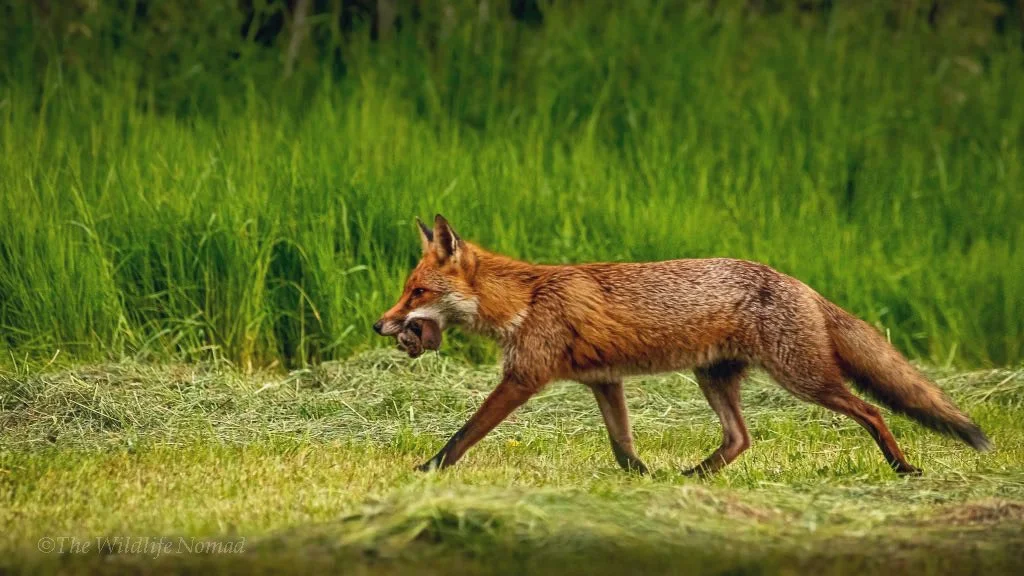
Rather than pushing closer, I positioned myself around thirty metres away, just off the line of travel. On the second evening a vixen appeared, moving confidently along that same route. Over the following week I watched her repeatedly, travelling back and forth between the earth and her hunting ground, sometimes hunting along the edge, sometimes simply moving with purpose.
That path wasn’t there because it was easy. It existed because it offered concealment, held scent, and connected safety with food efficiently.
Edges are Not Borders. They are Working Zones.
Foxes, badgers and deer all use edges, but they do so for different reasons, and all of them use them differently to humans. Once you stop seeing edges as boundaries and start seeing them as working areas, animal movement becomes far more predictable. In the field you must drop the human perspective and start to think about how the species we want to watch or photograph uses space, so you can put yourself in the optimum position to observe them without impacting their behaviour.
How Different Species use Paths, Rides and Edges
Foxes: edges as hunting lanes and information routes
For anyone trying to watch or photograph foxes, it helps to remember that the landscape is organised by scent long before it is organised by sight.
The routes a fox chooses are not just familiar paths but scent corridors, layered over time through repeated marking and investigation. Along these lines, a fox is constantly reading who has passed, how recently, and whether the message signals safety, food or competition. This is why edges matter so much in the field. Hedge bottoms, banks, ditches and woodland margins hold scent far better than open ground, where wind quickly strips information away. By travelling just inside these margins, a fox can hunt, communicate and move with confidence while remaining one bound from cover.
Rides and tracks interrupt this logic. Open centres disperse scent and increase exposure, so they are rarely the best places to watch. Instead, foxes favour ride edges, sunken sections and junctions where multiple routes meet and information pools. These junctions are worth patience, as foxes often pause briefly to assess the ground before committing. Once a route proves reliable, it is reused night after night, often in preference to more direct crossings. For the observer, this shifts the focus away from scanning open fields and towards reading the quiet lines that stitch the landscape together.
Positioning yourself along these edges, downwind and still, allows behaviour to unfold naturally rather than being forced by chance.
Badgers: paths as energy-saving corridors
Badgers move through the landscape with a strong sense of familiarity and trust in the ground beneath them, following routes shaped by long habit rather than efficiency. Their paths curve, hug banks and reappear year after year because they are known, tested lines where footing, cover and escape are predictable. Contours play a central role in this movement. Travelling along the lie of the land demands less effort from a heavy, low-slung animal and often provides firmer ground where water drains more evenly. Just as importantly, scent and air tend to flow along contours, allowing badgers to read and leave information consistently while avoiding exposed skylines.
Edges reinforce this logic. Hedge bottoms, woodland margins, ditch lines and old fence lines offer shelter from wind, softer digging, reliable feeding and immediate cover if disturbed. Badgers tend to travel just inside these edges, close enough to step back into safety but open enough to move steadily and assess what lies ahead.
Rides and tracks are treated with caution. They are approached, paused at and crossed deliberately rather than used as open highways, unless they have effectively become enclosed edges themselves. Over time, these contour-hugging paths link setts, feeding areas and boundary points into a quiet, dependable network. Muddy gateways, polished hedge gaps and shallow trenches along banks often mark decades of repeated passage, and learning to read these lines allows movement to be predicted long before a badger ever comes into view.

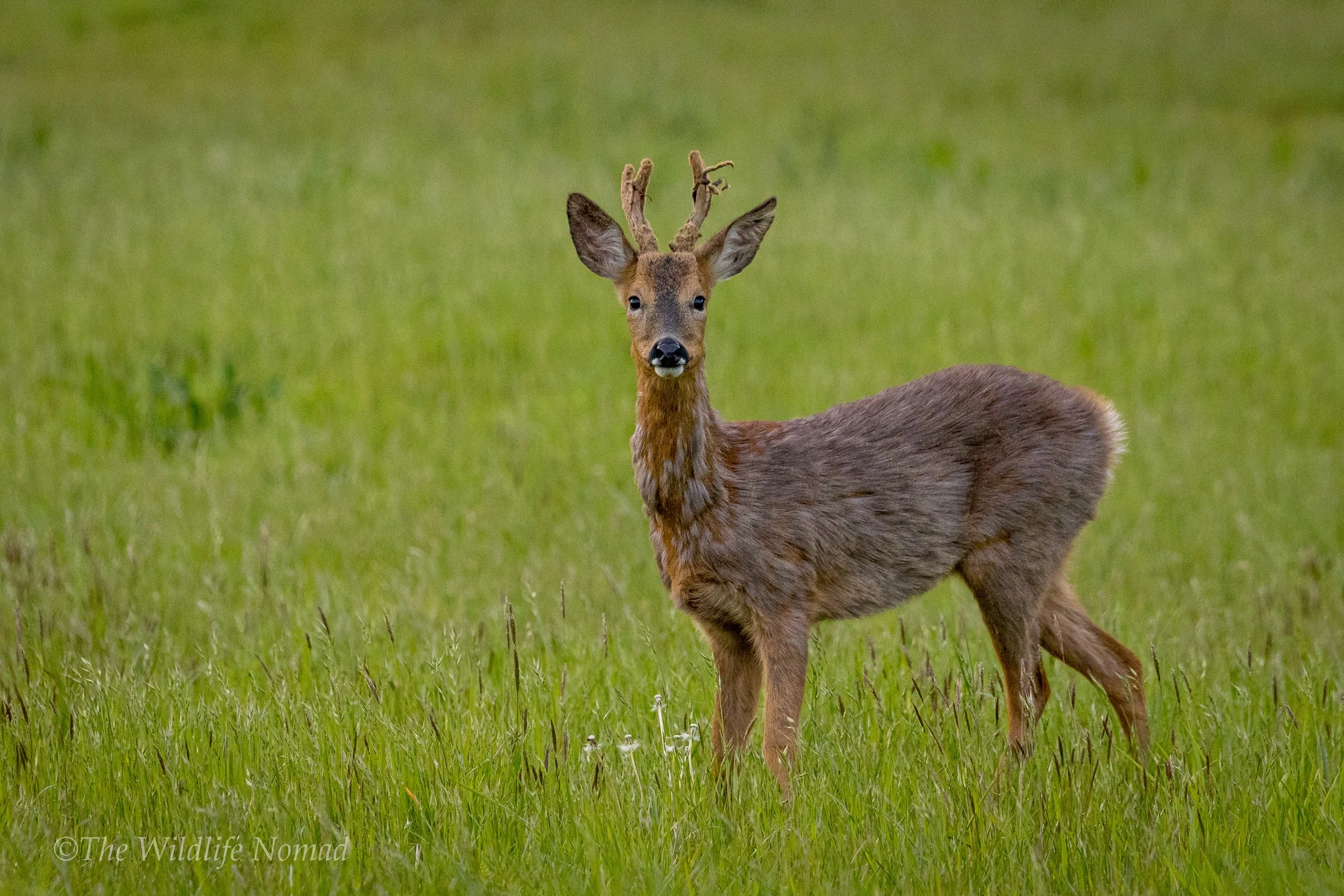
Deer: edges as safety buffers
Deer move through the landscape with the same quiet logic of familiarity and efficiency, but their choices are shaped by speed, visibility and wind as much as cover. Their paths are rarely random.
They follow contours to conserve energy, avoid steep climbs and maintain a steady pace that allows long-distance movement with minimal effort. Travelling along the lie of the land also keeps deer below skylines, reducing silhouette and allowing them to see without being seen.
Edges are central to how they use space. Woodland margins, hedge lines, rides with soft edges and the seams between cover and open ground provide grazing, visibility and rapid escape routes all at once. Deer often move parallel to these edges rather than through the middle of habitats, keeping cover within a single bound while scanning ahead. Wind and scent play a constant role. Routes are chosen to maximise information, with deer favouring lines where air flows predictably along slopes and through valleys, allowing them to scent what lies ahead while carrying their own scent away from danger.
Rides and tracks are used selectively. Broad, open centres are crossed quickly or avoided in daylight, while edges, bends and pinch points are favoured, especially where paths converge or terrain funnels movement. Over time, these choices create well-worn lines linking bedding areas, feeding grounds and crossing points. For the observer, learning to read these contour-following routes, edge lines and habitual crossings transforms deer watching from chance encounters into quiet predictability, where movement is anticipated by reading the land rather than scanning it.
Smaller mammals: edges as protection
Small mammals experience the landscape at ground level, where shelter, concealment and safety from above matter more than distance or speed.
Mice and voles move through the world along narrow, well-used runways that follow contours, bases of banks and the densest parts of vegetation. These routes minimise exposure to aerial predators while allowing constant access to cover. Grass stems, bramble tangles, hedge bottoms and the foot of walls create sheltered corridors where scent, droppings and clipped stems accumulate, reinforcing the route through repeated use. Contours matter because they offer predictable drainage and stable ground, keeping runways passable in wet weather and linking feeding patches efficiently without climbing or crossing open slopes.
Rabbits operate on a slightly larger scale but follow similar principles. Their paths radiate from burrows to feeding areas along banks, field edges and worn pasture lines, often tracing the same shallow contours across a slope. Open ground is crossed reluctantly and usually at speed or under low light. Edges provide grazing, visibility and rapid retreat to cover in a single movement. Over time, these habits etch a fine network of tracks, grazed strips and latrine patches into the land. For the observer, these signs are often easier to read than the animals themselves. Learning to recognise runways pressed into grass, clipped vegetation at burrow exits and the subtle lines that hug banks and margins allows small mammal activity to be predicted even when nothing is visible, turning empty ground into a map of constant, hidden movement.
Otters: paths as access points
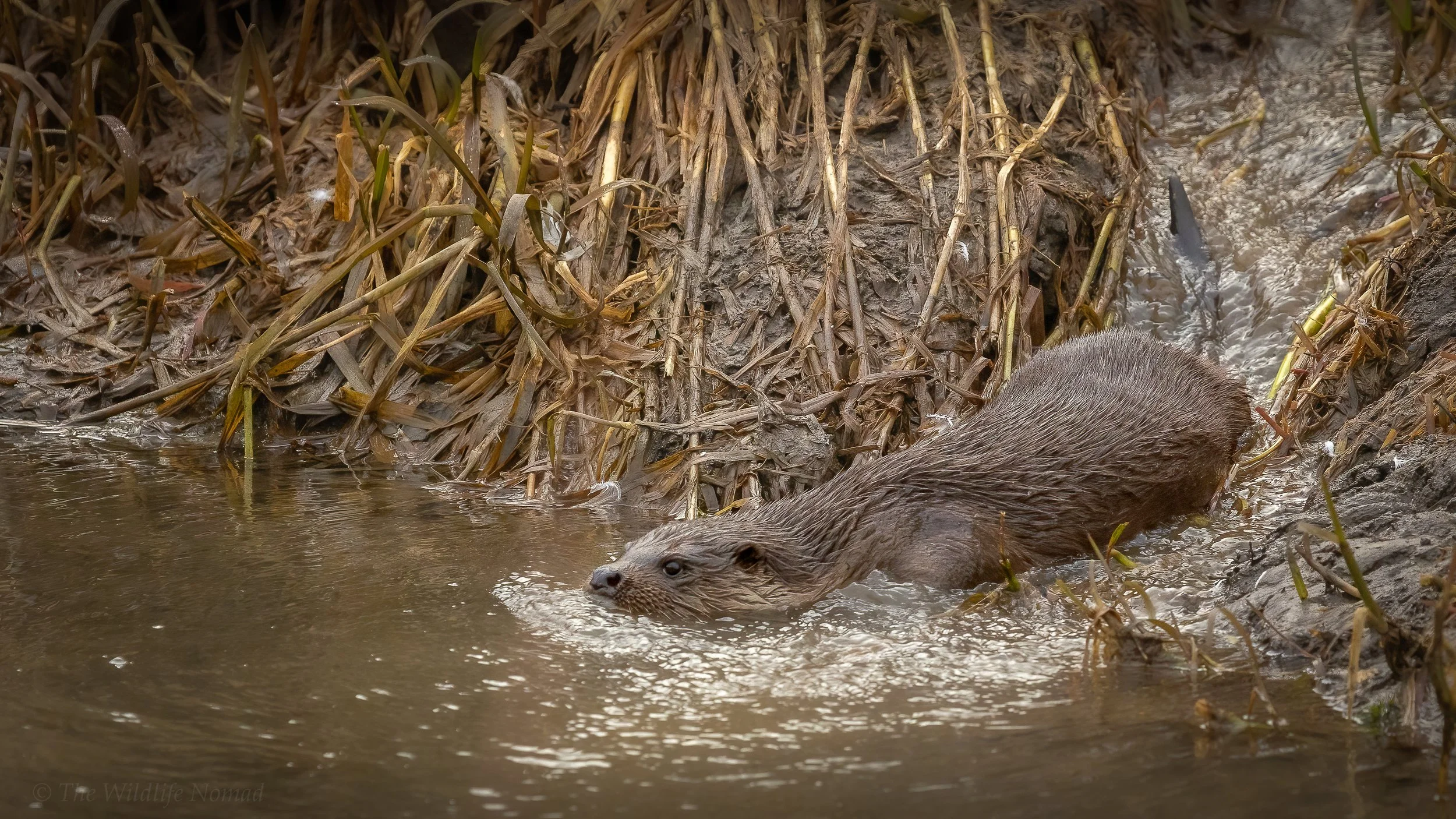
A special mention for Otters. Otters move through the landscape as creatures of flow, guided less by fixed paths than by the logic of water, banks and scent carried on damp air. Their routes tend to follow the soft contours of river edges, streams and ditches, where movement is quiet, footing predictable and escape instant in either water or cover.
Rather than travelling in straight lines, otters weave along the bends of a river, using undercut banks, fallen trees and reed margins as both shelter and vantage points. Edges concentrate scent and information, and spraint sites are placed deliberately on raised features such as rocks, tussocks, bridge footings or prominent bends, where scent travels farthest and is most likely to be encountered. Otters return to these points repeatedly, stitching territory together through smell as much as through movement.
Tracking them, however, is often more difficult than with land mammals because much of their travel happens in water, where few physical signs are left behind. This shifts the observer’s focus to the margins: entry and exit points, slides, flattened vegetation and the soft substrates of muddy banks, sand or silt where footprints briefly record their passing. Becoming familiar with otter prints in these conditions is essential, as these fleeting impressions often provide the clearest clues to direction and timing. Open ground is crossed sparingly and usually at night, often at the same habitual crossings where cover remains close. For the watcher or photographer, success rarely comes from scanning the river itself. It comes from reading these quiet edge lines, learning where otters leave and re-enter the water, and understanding how the shape of the land quietly guides repeated, unseen movement along the catchment.
Three Things Most People Miss When Reading Paths and Edges
1. Read paths at ankle height, not eye level
From ankle height, subtle differences appear. Bent grass, polished soil and early-clearing dew reveal frequency and confidence of use. At eye level, paths look static. At ankle height, they show rhythm. Get down, and get close!
2. The most reliable paths are often invisible in summer
In spring and early summer, growth outpaces wear and animals become more cautious. Look for colour changes, missing seed heads and repeated insect disturbance rather than obvious tracks. When the land looks too neat, movement has gone subtle…….It’s there you just need to change the lens you are looking through.
3. Animals choose paths that hold scent, not paths that shed it
Slightly damp grass, loamy soil and sheltered hedge sides retain scent and information. Dry, exposed ground sheds it quickly. Don’t think like a human (we have the luxury of only having to worry if our boots are going to get dirty, not where the next meal is coming from, or how to avoid become lunch). If you are watching the cleanest, driest line, you are often watching the wrong one. We have written a separate blog all about wind and how animals react to it, it would be a good next step to read this so you can find wildlife more easily.
Where a Photographer or Watcher Should Sit
The aim is not to block movement but to let it unfold naturally. As a photographer we must give priority to our subjects at all times. This is more important than anything else on this page, so I suggest reading our guide to ethical photography.
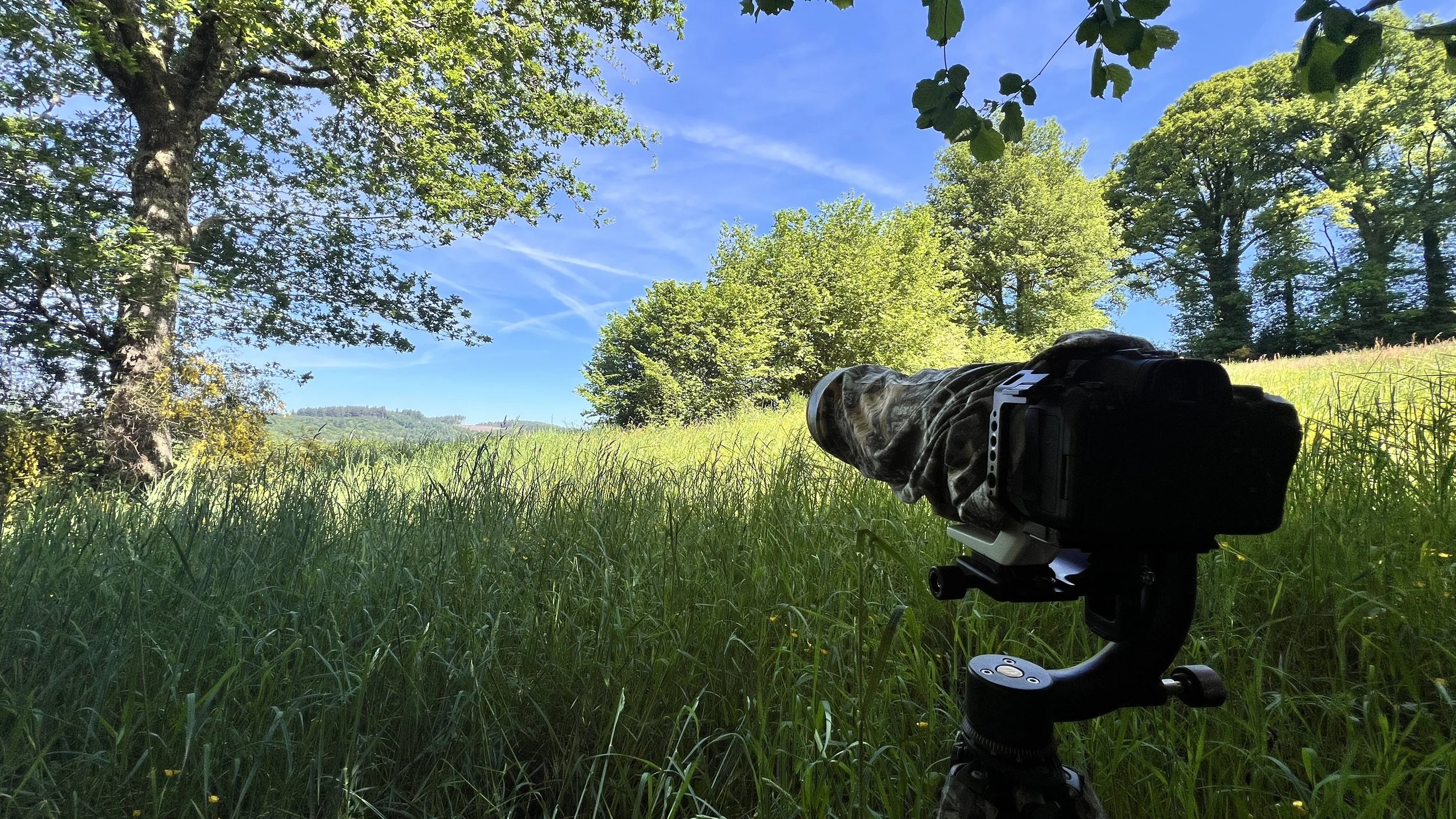
Sit off the line of travel. Use edges as backdrops rather than hiding places. Keep the wind breaking across you rather than flowing straight down a route. Break your outline with the land, not with movement. Stillness, outline and wind awareness matter far more than camouflage.
Field Exercise: Try This Tonight
Time: 30–45 minutes
Location: A hedged field edge, woodland ride or familiar path
Walk the area once without stopping.
Walk it again with your gaze held at ankle height for five minutes.
Look for lines that don’t immediately register as paths.
Identify one route that is damp, sheltered or subtly worn.
Sit ten to fifteen metres off that line, ideally downwind.
Stay still until the light fades.
Judge success by whether the route begins to make sense, not by whether an animal appears.
Final Thought
Paths, rides and field edges are not signs of movement. They are records of decision-making.
Every faint line through grass or along a hedge represents an animal choosing safety, information and efficiency over convenience. When you learn to read those choices properly, wildlife doesn’t appear by luck. It reveals itself because you are finally paying attention.
Now you know how some species use the landscape to their advantage, you need to learn how to S.C.A.N to make sure your not missing any vital clues, or take a look at how hedges and banks are used by wildlife in Winter. You should also deep dive into Fox, Badger, Deer or Otter ecology in our Species Spotlight blogs which will help you to identify their field signs and behaviours.
——————————————
FAQ: How British Wildlife Use Paths, Rides and Field Edges
Why do animals follow paths and field edges?
Animals use paths and edges to balance safety, energy efficiency and access to food. These routes often provide cover, predictable movement and scent information.
Do animals use human footpaths?
Some species will use human paths when disturbance is low, but many prefer parallel routes that offer more cover and retain scent.
How can you tell if a wildlife path is active?
Freshness can be judged by bent vegetation, polished soil, scent marks and how quickly plants recover, rather than by obvious footprints alone.
Where is the best place to watch wildlife along a path?
The best position is usually off the path, near bends, intersections or edges where animals slow down and assess their surroundings.
Do different species use paths differently?
Yes. Foxes, badgers, deer and otters all use paths and edges in species-specific ways based on hunting style, safety and territorial behaviour.
Are paths more important in certain seasons?
Yes. In summer, paths may become subtle as vegetation grows, while in winter they are often more visible and heavily used due to reduced cover.