

How to Attract Birds to Your Garden
A Wildlife Nomad Guide to Creating a Safe, Lively and Bird-Rich Patch
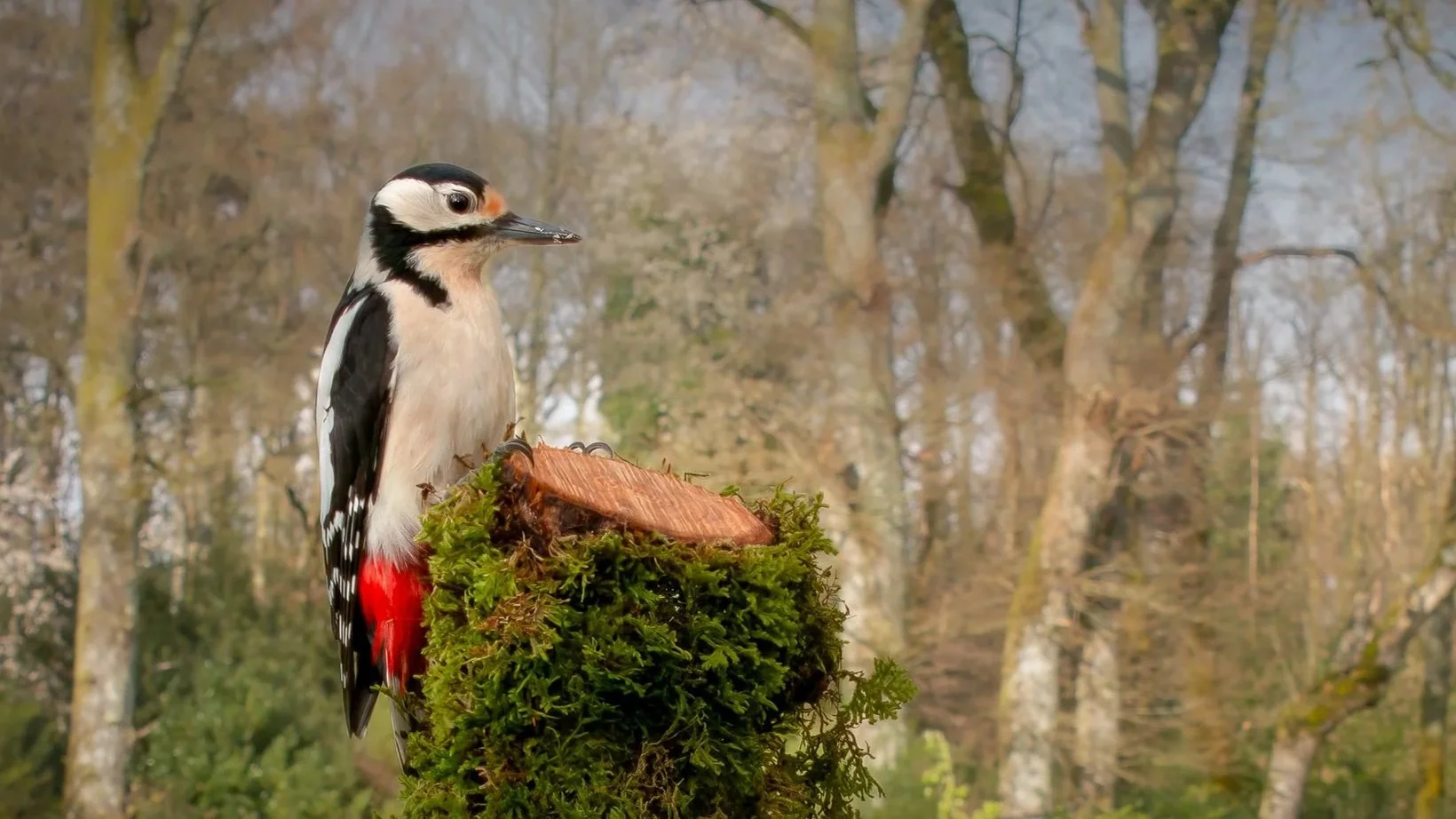
There’s something deeply grounding about sharing your garden with birds. You start by noticing a robin in the hawthorn. Then a wren flicks through the undergrowth. Before long, you’re paying attention to the quality of light, the direction of the breeze, and the tiny movements in shrubs you barely glanced at before. A garden becomes a living space, not a backdrop.
Since moving to our home in the Wye Valley, birds have been the quickest way I’ve connected to this new landscape. Blue tits, great tits, coal tits, long-tailed tits and wrens appeared first, then robins, dunnocks, pied and grey wagtails, blackbirds and song thrushes. Tawny owls call most nights, ravens and buzzards drift over the valley, and we are lucky to have a resident male Sparrowhawk who cruises up and down our lane looking for an un-alert snack.
Birds are often the first wildlife people notice in their own patch, and when gardens provide the right food, water and cover, they become lifelines, especially in a countryside where hedgerows are thinner, insect numbers are falling, and winter hits hard. The good news is that attracting birds doesn’t require expertise or huge spaces. Just small, thoughtful choices.
Here’s how to create a garden that birds trust, use and return to, and how to watch and photograph them ethically at the same time.
Start With the Basics: What Birds Need
Birds come to gardens for three reasons:
Food
Water
Shelter and safe nesting sites
Provide these consistently and you’ll see species diversity rise within weeks.
The best approach is always a blended one: part gardening, part fieldcraft, part patience.

Food: Supplement, Don’t Replace Nature
A healthy garden is full of natural food: insects, spiders, berries, seeds, grubs. If you let parts of the garden run a little wild — something I always recommend — you’re already halfway there. Our thicket area has become a haven for wrens and robins, full of spiders and beetles that birds rely on far more than any feeder. But feeders do play an important role, especially in winter.
As the days shorten and temperatures drop, natural food gets harder to find. Supplementary feeding helps species like tits, blackbirds and finches stay in good condition.
What to offer:
Sunflower hearts — rich in protein, soft enough for small birds, loved by tits, goldfinches and sparrows.
Suet or fat balls — high energy, perfect for winter. Always remove plastic nets.
Niger seed — attracts goldfinches and siskins (use a specialist feeder).
Mealworms — excellent for robins, blackbirds, starlings and wrens.
Mild scraps — a little fruit, mild cheese or cooked potato is fine in moderation.
Placement matters
Put feeders:
near cover such as hedges and shrubs
high enough to prevent cat ambushes
with clear visibility so birds can scan for predators
It’s worth having multiple feeding points:
hanging feeders for tits
a ground tray for blackbirds and thrushes
a suet cage near thicker cover
It spreads out the visitors and gives shy species a chance.
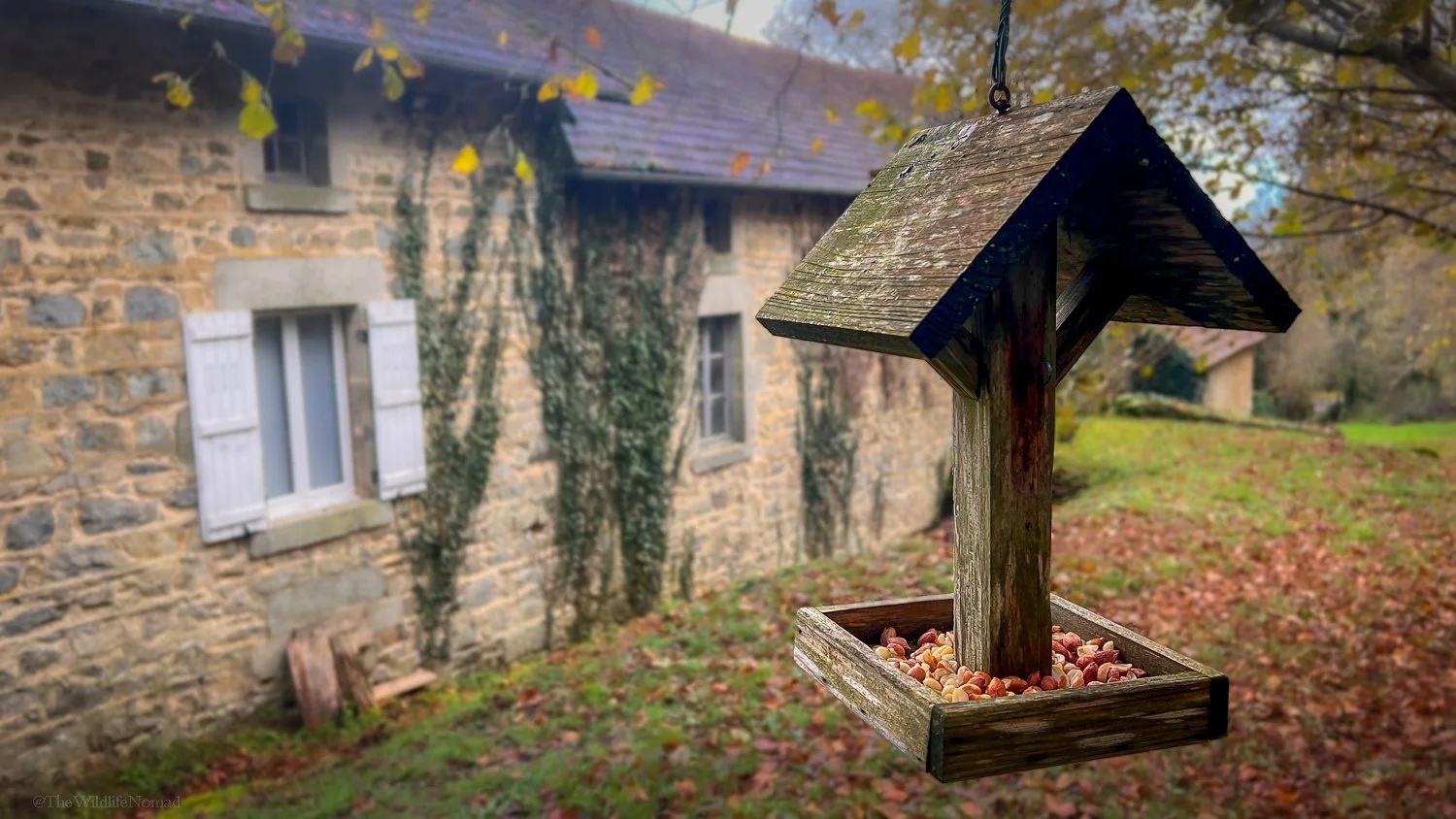
Water: The Most Underrated Way to Attract Birds
Food brings birds in, but water keeps them returning daily.
Birds need water for:
drinking
bathing
maintaining their feathers
staying cool in hot spells
Our small pond is one of the most used parts of the garden. Even a shallow bowl with a few stones can attract wagtails, robins, hedgehogs and insects.
Good water practice:
Keep it shallow (2–5 cm).
Clean regularly to stop disease.
Melt ice with warm water in winter.
Position in shade or dappled light.
Water is one of the simplest, most effective things you can add, and often the least thought about.
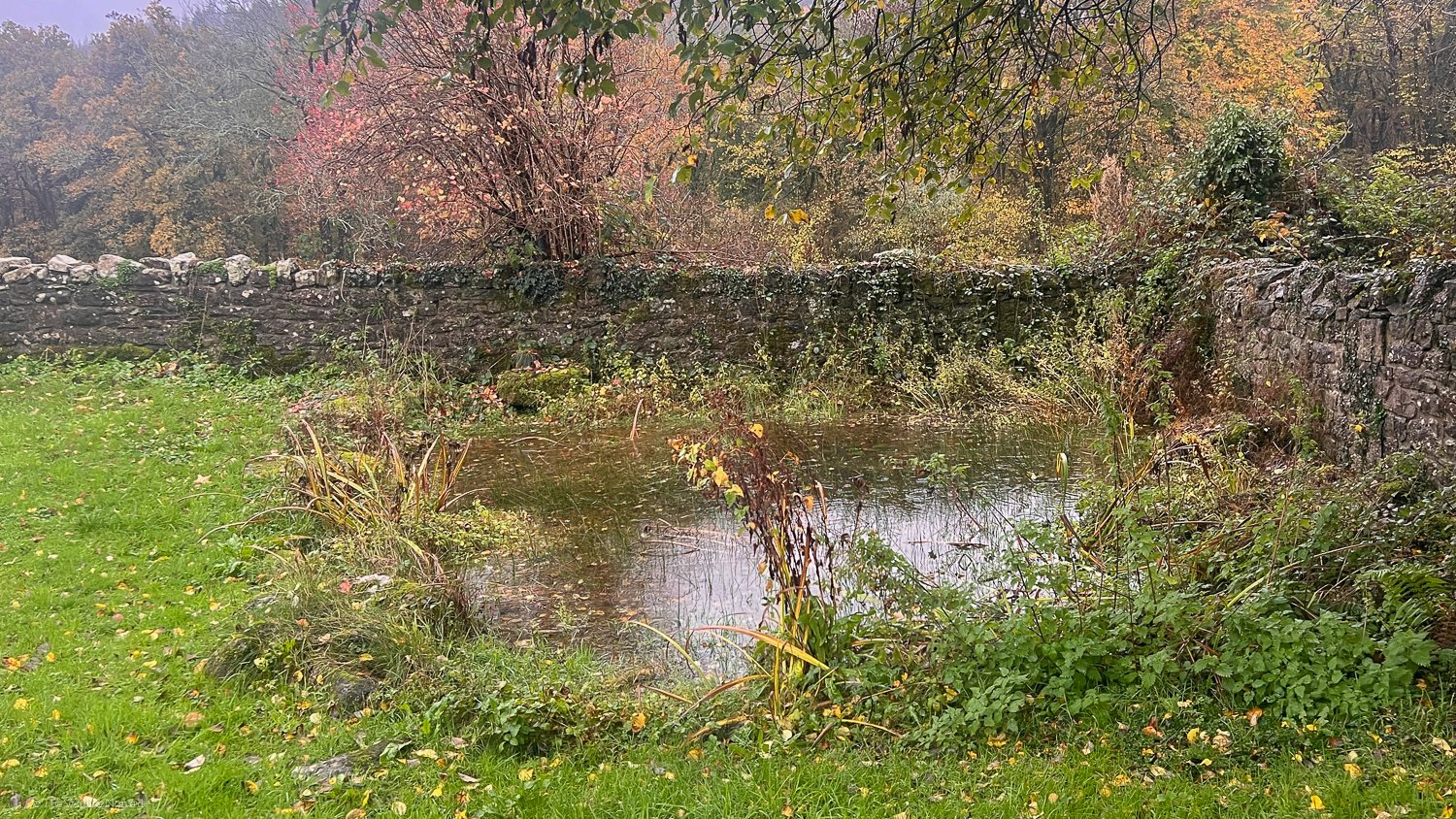
If you are lucky enough to have a pond in your garden, that’s great for the birds, however even a relatively small dish of water with a few stones placed around the edge will be hugely beneficial for birds, insects and mammals that visit your garden. Don’t forget to make sure there’s easy access for anything that climbs in there to be able to get out though.
Shelter: The Secret Ingredient
Birds need more than food. They need places where they feel invisible.
This means:
dense shrubs
berry bushes
tangled hedges
evergreen cover
wild corners
log piles
and old seedheads left standing
Our wrens practically live in the thicket we’ve left untouched. It’s scruffy, uneven, and alive with insects. Tidy gardens look nice to us……wild gardens look safe to birds.
Plant with intent
Good plants for birds include:
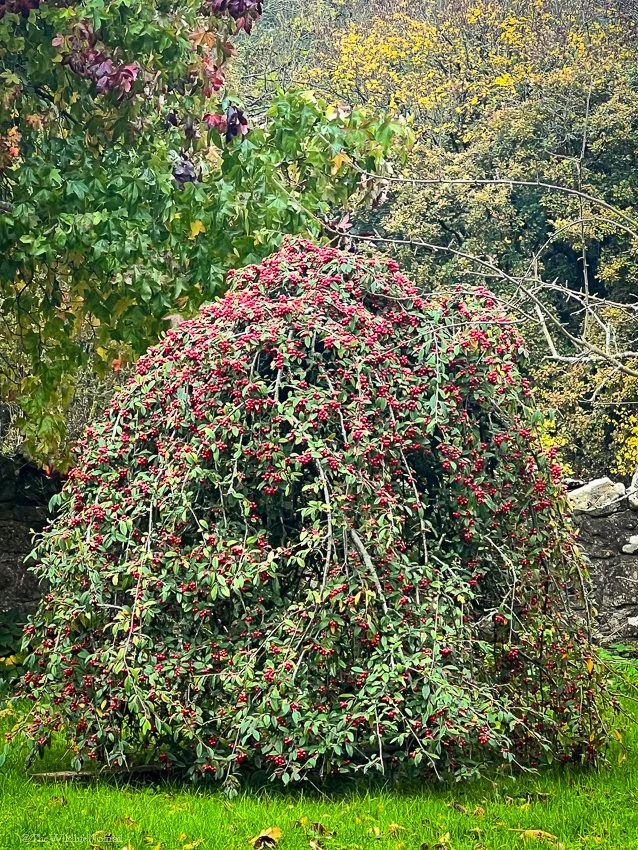
Hawthorn, rowan, holly, elder, guelder rose, cotoneaster (berries)
Teasel, knapweed, sunflowers (seeds)
Ivy and honeysuckle (cover + insects + late fruits)
Choose layers: low cover, mid-height shrubs, and a few taller structures. Birds use them in different ways.
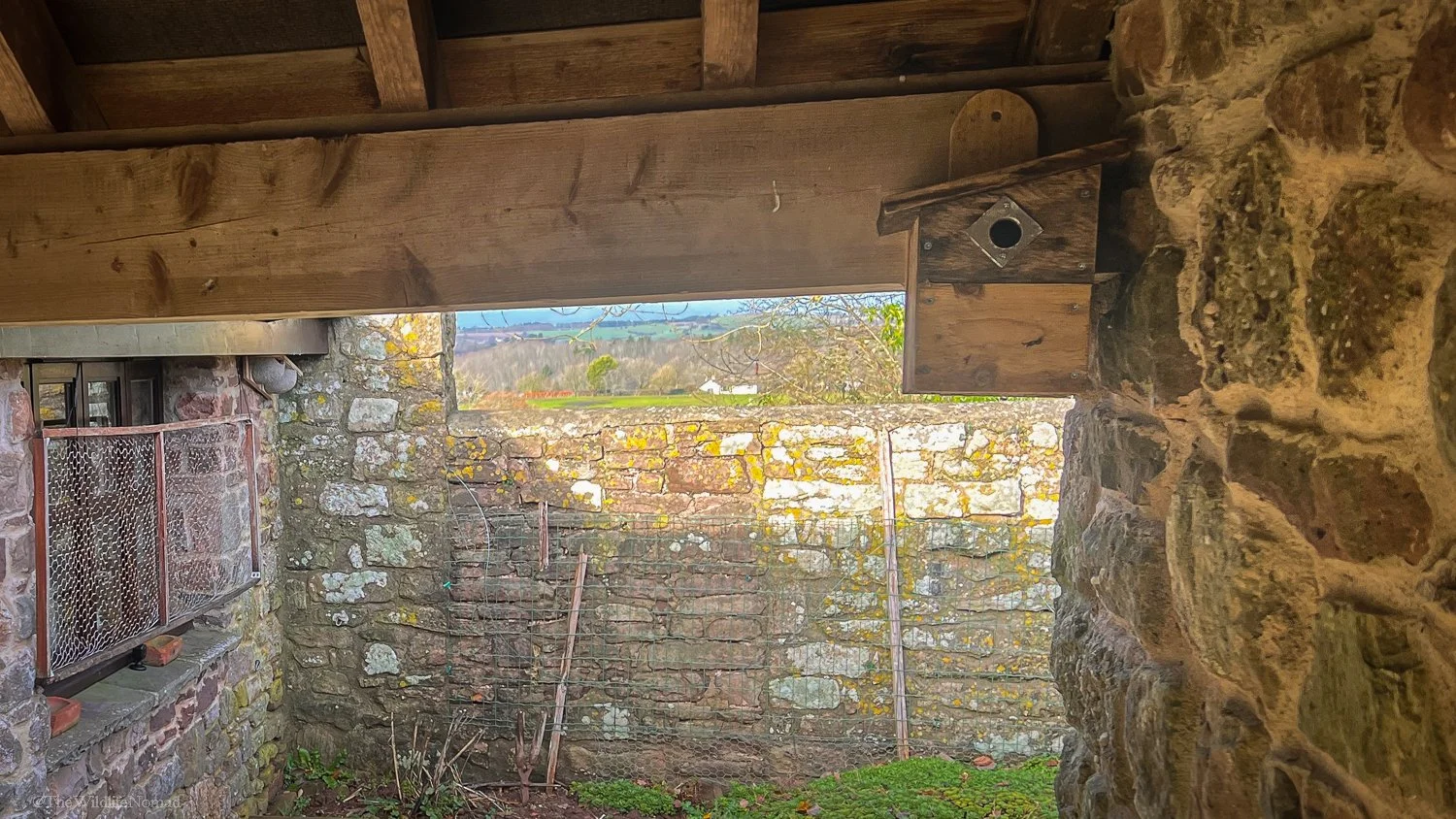
Nest Boxes: Giving Birds a Safe Place to Raise Young
Birds begin scouting for nest sites far earlier than many people realise — often from January onwards.
You can support them by offering:
Open-fronted boxes for robins and wrens
Small-hole boxes for tits and sparrows
Sparrow terraces for colony nesters
Place boxes:
facing between north and east
out of direct sun and wind
2–4 metres high for most species
low and hidden for robins/wrens
And once it’s up, do not disturb it.
Under the Wildlife & Countryside Act it is illegal to interfere with an active nest. If a bird is building, you stop work and step back.
Nest boxes aren’t instant wins. Birds might ignore them the first year. But if your garden feels safe and well-fed, they’ll eventually move in.
Let Your Garden Grow Wild
If there’s one message I’d give every gardener, photographer or wildlife enthusiast, it’s this:
A slightly wild garden attracts infinitely more birds than a neat one.
Leave:
seedheads standing
edges untrimmed
berry shrubs unpruned until late winter
piles of leaves undisturbed
This isn’t neglect, it’s habitat (its also a great excuse for not gardening!) Wildlife doesn’t need us to garden harder. It needs us to manage less and observe more.
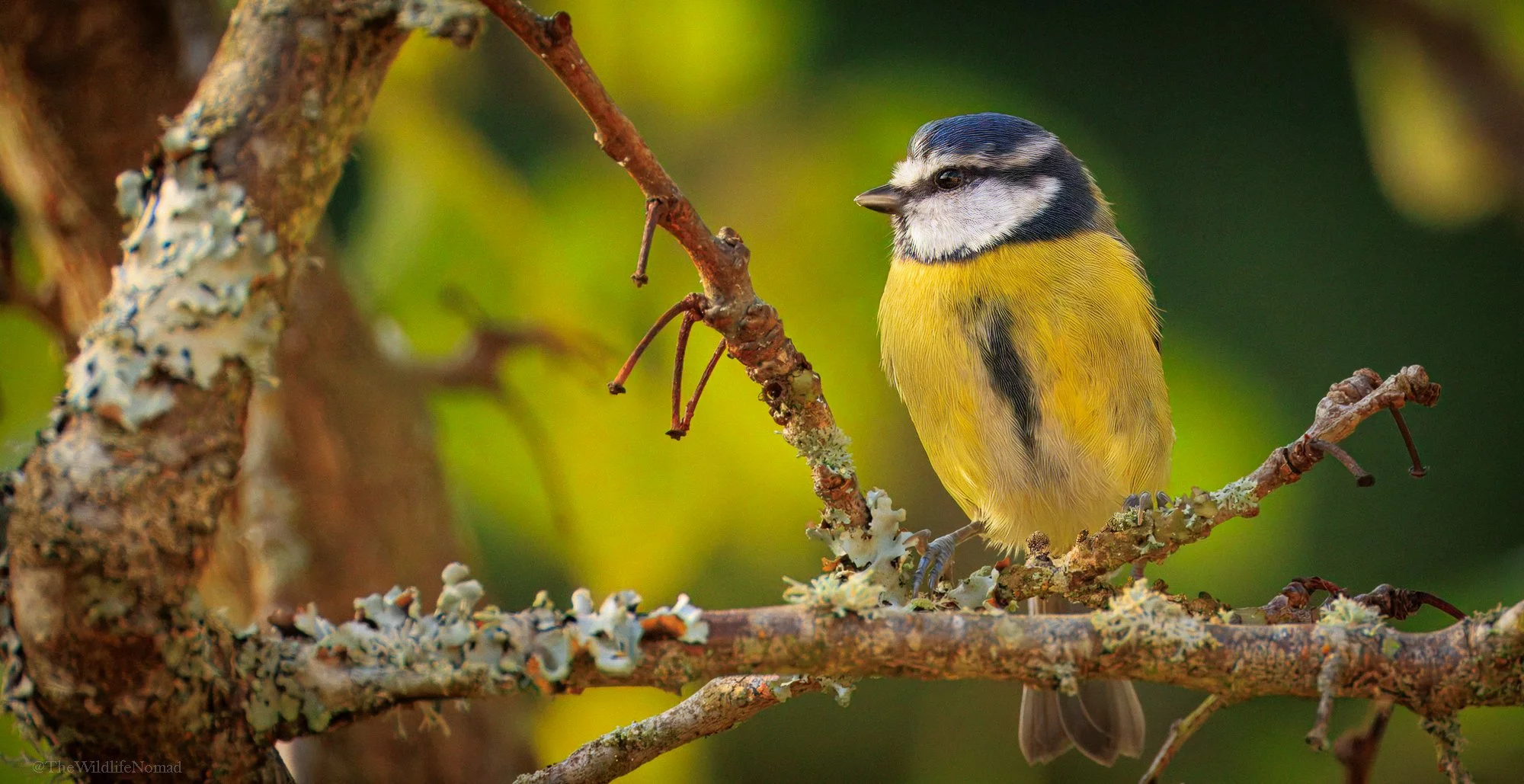
Fieldcraft in the Garden: How to Watch Birds Well
Even with food and water, birds won’t stay if they feel unsafe. Your behaviour matters as much as your planting. Here are some small fieldcraft insights:
1. Sit quietly and consistently
I often sit in the garden for an hour at a time. Birds quickly adjust. If you sit still, breathe slowly and avoid sudden movement, species like robins, tits and wagtails will get surprisingly close……..close enough for observation or photography without pressure.
2. Move slowly
Birds react to motion more than shape. Slow movements, especially lateral ones, are less threatening.
3. Watch wind direction
Birds often land facing into the breeze. Knowing this helps with positioning for photography.
4. Watch how birds use edges
The boundary between two habitats, hedge to lawn, pond to grass, thicket to open space is where the action happens. Position yourself near these transitions.
Ethical Bird Photography in the Garden
Garden birds are among the easiest species to photograph, but it’s still easy to cause stress without meaning to.
1. Avoid baiting for the sake of photos
Don’t alter feeding times or quantities just to get a particular shot. Birds rely on predictable, natural foraging.
2. Background matters
One of the biggest mistakes beginners make is ignoring the background. Clutter distracts the eye. Move a feeder or perch a metre or two and the whole composition changes.
3. Keep light gentle
Direct midday sun washes out feathers. Early morning or late afternoon gives texture and catchlights.
4. Work at the bird’s level
Lower angles give a more intimate feel and reduce background distractions.
5. Respect the boundary
If a bird keeps glancing your way, freezing, flattening itself or flicking its tail nervously, step back. Garden photography should be quiet, ethical and low-impact.
6. If possible hide!
You don’t have to specially erect a birdwatching hide (although you might want to), a garden shed, an open window, or sat behind a piece of trellis or a garden feature might be enough to allow you to watch and photograph relatively closely with minimal impact.
A Story From My Own Garden: The Goshawk
Two weeks after we moved in, I was out in the garden watching the tits working the feeders when I noticed a crow perched high up in one of the trees in the field behind our house. It seemed to be intently staring into the boughs below. When I raised my camera I realised that sat some 8ft below it was a goshawk, surveying the field (and my garden) for prey!
Surely not, a goshawk………viewed from my garden!
No sooner than I had rattled of a few shots it took off (mobbed by a pair of crows), flew with that unmistakable combination of power and precision across the field, and disappeared over the sunken lane in seconds. No drama, no sound, just that sudden, thrilling shift in energy that top predators bring.
Moments like that are why creating bird-friendly spaces matters. If I hadn’t been in the garden watching the feeders, I never would have seen, let alone photographed, the Goshawk from my garden. You never know what else is moving through the landscape. Every safe garden, every berry shrub, every uncut corner contributes to a web of life far bigger than we might first realise. Since then I’ve been lucky enough to see and hear the Goshawks on several occasions and watch a male Sparrowhawk who sits atop one of the oak trees outside our front door, waiting to pounce on the unsuspecting.
Troubleshooting: Common Garden Bird Problems
Dominant species taking over
Use caged feeders or different feeder types to give small birds access.
Diseases at feeders
Keep feeders and birdbaths clean. Refresh food every few days. Move feeders occasionally.
Cats
Place feeders away from low cover. Add thorny shrubs beneath high perches.
Lack of birds in winter
Leave berries in place, provide clean water, and avoid harsh pruning.
A Simple Garden Bird Action Plan
Daily
Refill bird bath with clean water
Tidy up droppings or spoiled food
Weekly
Clean feeders and baths
Refresh suet and seed mixes
Seasonally
Leave seedheads and wild patches through winter
Plant new shrubs in autumn
Put up nest boxes in winter
Avoid hedge trimming during nesting season
Birds are creatures of habit. If you provide consistency, they’ll reward you with presence.

Conclusion: A Garden Alive With Birds
Attracting birds to your garden isn’t about expensive feeders or perfect lawns. It’s about making a little space for nature to be itself. A quiet corner. A berry bush left untrimmed. A shallow dish of water that catches the evening light. A feeder placed thoughtfully by a hedge.
Do those things, and the birds come, and when they do, your garden stops being just a garden, it becomes part of a wider landscape, part of a recovery, part of something wild and valuable.
Give birds what they need and they will reveal their world to you.
Sit quietly. Watch. Wait.
Let wildlife reveal itself.
Other Blog Articles of Interest
Best Binoculars for Wildlife Watching in the UK (2025 Guide)
Camera Smart: Mastering Image Stabilisation for Wildlife Photography
How to Read Winter Hedges for Wildlife Behaviour and Fieldcraft
———————————————————-
FAQ: Attracting Birds to Your Garden
1. Why aren’t birds coming to my feeders?
There are several reasons birds may ignore feeders at first. New feeders can take days or even weeks to be “discovered,” especially if natural food is abundant. Siting is also critical: feeders placed too close to the ground, too exposed, or too near cat cover often stay quiet. Using cheap seed mixes padded with filler grains (like wheat) also puts birds off. Refresh the food, move the feeder near a hedge or shrub, and introduce higher-quality mixes — this usually transforms activity.
2. What time of day do birds feed the most?
Garden birds feed most actively in the first two hours after sunrise, when they need to replenish the energy lost overnight. There’s another surge late afternoon as they prepare for the night ahead. Keeping feeders topped early in the morning helps birds deeply — especially during cold spells when fat reserves drop quickly.
3. How long does it take for birds to find a new garden?
Birds explore constantly, but activity builds gradually. Most gardens begin attracting regular visitors within 3–10 days if food, water and cover are available. Shy species like wrens, dunnocks and long-tailed tits may take longer because they rely more on safe vegetation than feeders. Consistency is key — keep the routines stable and activity grows month by month.
4. Where do garden birds sleep at night?
It depends on the species. Many small birds roost deep in dense shrubs, ivy, conifers or thick hedges where wind and predators are less of a threat. Wrens often form winter communal roosts in hidden cavities. Blue tits may roost in old nest boxes or tree holes. Providing thick cover and avoiding drastic pruning gives birds safe, warm places to rest.
5. Are garden birds protected by law?
Yes. All wild birds, their nests and their eggs are protected under the Wildlife & Countryside Act 1981. It’s illegal to disturb an active nest or remove one that is being built. This means heavy pruning, tree work and building maintenance should pause immediately if you spot nesting activity. Gardens that respect these rules become vital safe spaces.