

Fieldcraft Friday: How Wind Shapes Wildlife Movement
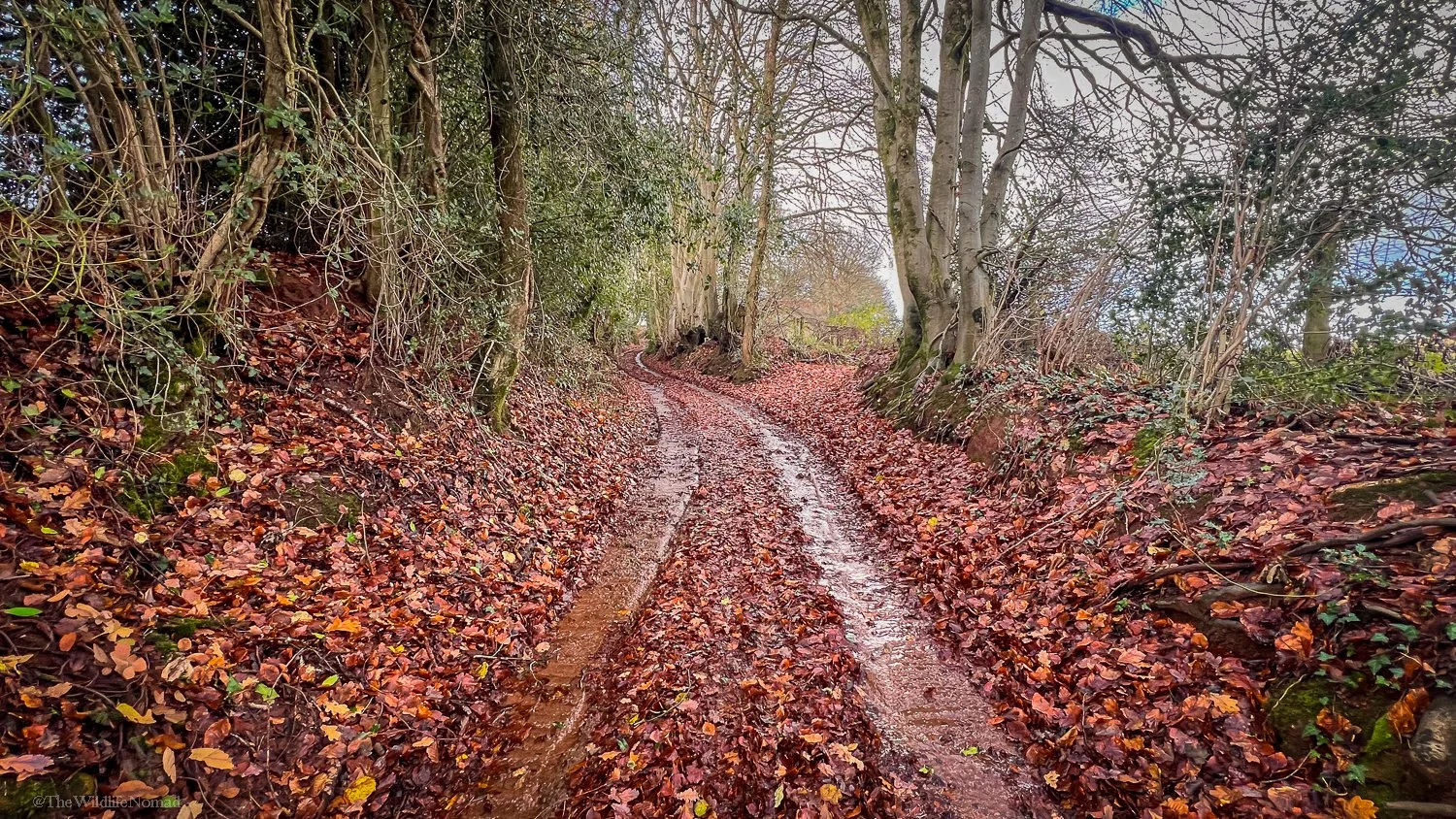
Wind is the one factor most wildlife watchers and photographers talk about constantly and understand least. We check wind apps. We lick fingers. We hold grass in the air. We mutter about being “upwind” or “downwind” as if that settles the matter.
It doesn’t.
Wind is not a simple on or off switch. It bends, lifts, pools, slips, and curls around the land. And animals do not respond to it in neat, predictable ways. They respond to what the wind does to scent, sound, and safety in that exact place. If you learn to read wind properly, the landscape starts making sense in a new way. Routes become predictable. Missed encounters make sense. And places that felt randomly quiet suddenly feel full of potential.
This is not about beating wildlife. It is about understanding how they experience their world.
Why Wind Matters More Than Rain or Light
Rain changes footing. Light changes visibility. Wind changes information.
For most mammals, scent is the primary early warning system. For many birds, wind affects lift, stability, and sound transmission. For predators and prey alike, wind determines who hears who first and who smells who before they are seen.
Wind influences:
how far scent travels
whether scent arrives clean or broken
how loudly movement carries
whether an animal can approach unseen
where it chooses to pause, scan, or rest
This is why animals often keep moving when conditions look awful to us. They are not reacting to discomfort. They are reacting to how usable the information in the air is.
The Three Winds That Matter
Most people divide wind into strong or light. That is not how animals read it. They respond to direction and structure. There are three basic wind scenarios you need to understand:
Headwind
Wind blowing directly toward the animal. This is often preferred by predators, and those with poorer eyesight.
A steady headwind brings scent information toward you. It gives early warning. It allows careful, incremental movement where each step adds new data.
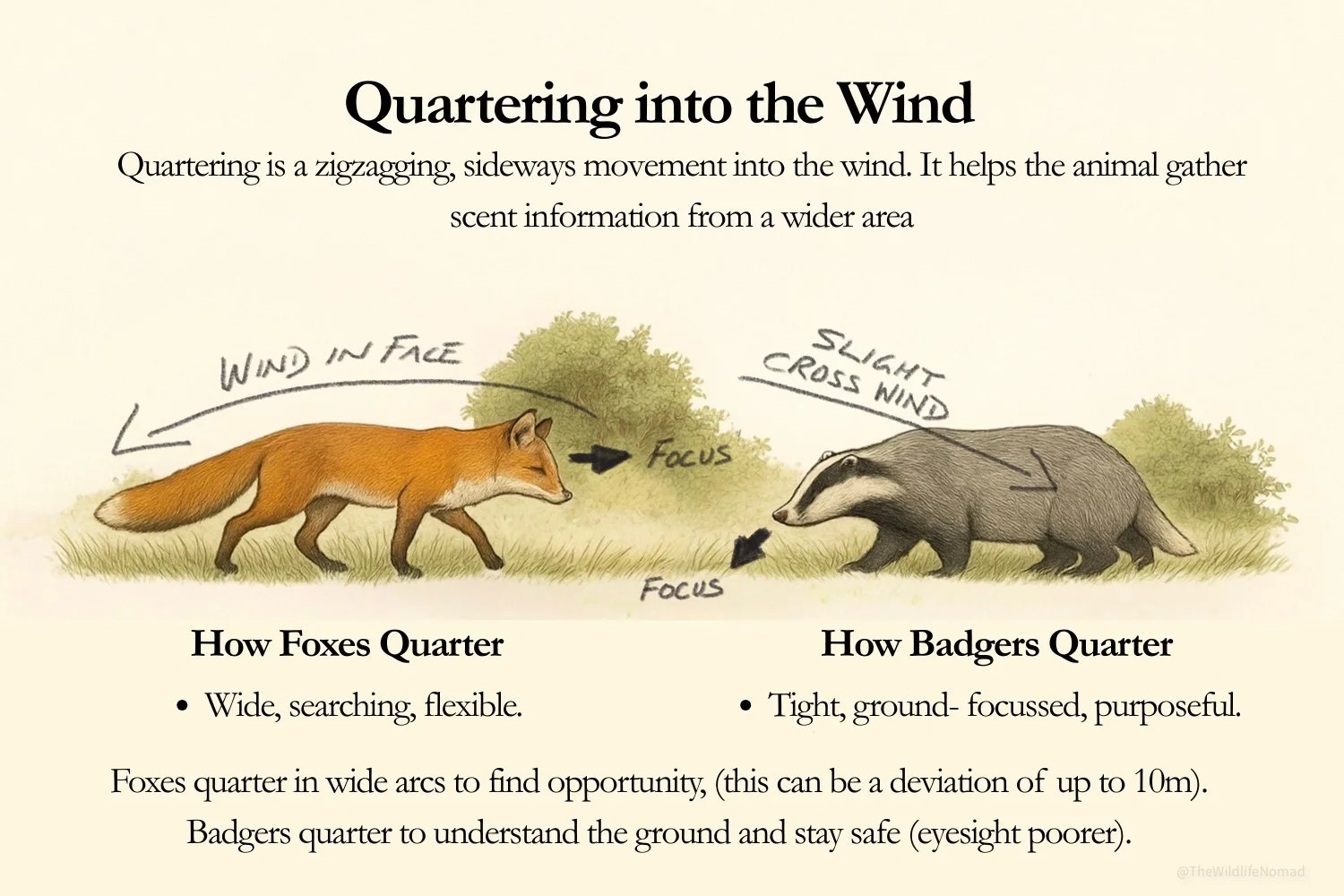
Foxes travelling or hunting will often work into a headwind, especially along hedges, banks, rides, or field edges where cover is close. When hunting they will make wide sweeping arcs that deviate from their planned route by as much as 10M, opportunistically searching for prey, but will still largely remain with their head into the wind. Naturalist often talk of Foxes being very direct in their path, and they are when travelling from point A to point B, but when hunting they keep their nose largely in the wind and make soft bowing arcs. By contrast, Badgers foraging will quarter with the wind blowing towards their head but more often than not as a slight crosswind as this brings more information than a pure head wind. They do not need the same information as a Fox hunting as their primary prey is not so quick (earthworms). They are mainly scenting the ground or paths so their focus is downwards.
With all species, this is where patience matters. A headwind makes animals cautious but purposeful.
Tailwind
Wind blowing from behind. This is dangerous for most animals.
Scent from the animal (or from you) travels forward, announcing presence. Animals will use tailwinds when escaping, commuting quickly, or moving between known safe locations.
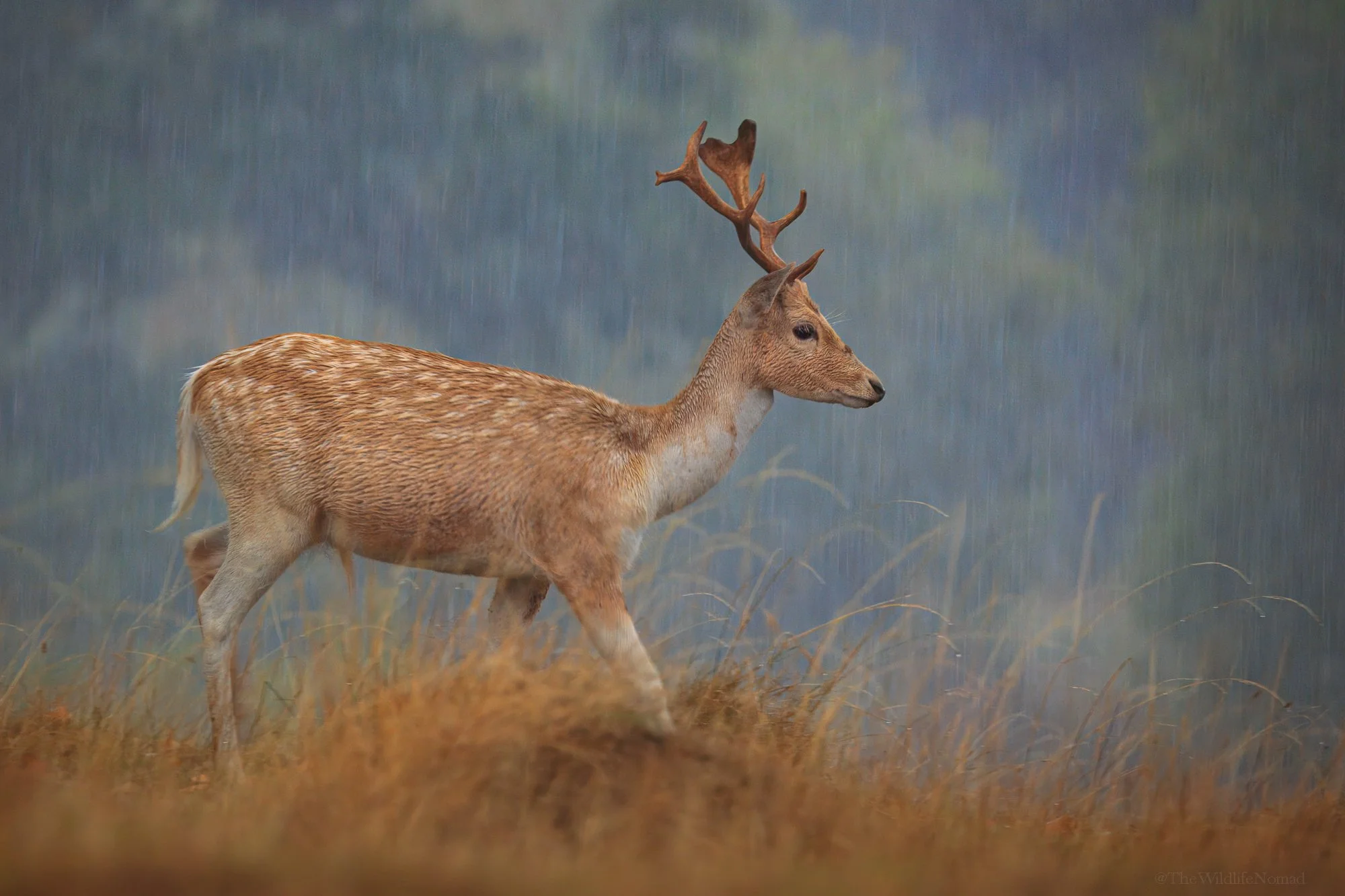
Deer travelling with a tailwind are often alert and moving fast, relying on sight ahead while accepting reduced scent awareness. Tailwinds are partly why people often get “one look then gone” encounters. The animal smelled you long before you ever saw it.
Crosswind
Wind hitting from the side. This is the most complex and most misread by us.
Crosswinds create broken scent trails. They scatter information. Predators may avoid them when hunting but use them along linear features where one side offers cover or quiet footing.
Many animals respond to crosswinds by hugging edges. Hedges, walls, ditches, and banks act as partial shields that straighten airflow. This is why so much wildlife movement compresses into narrow lines on windy nights. Most animals follow similar routes and tracks becuase they know and understand the wind in these locations.
How Mammals Actually Use Wind
Foxes
Foxes are information hunters.
They are not constantly running into the wind, but they are rarely careless with it. When hunting, they favour headwinds or slight quartering winds, especially when using sound to locate prey. Watch how foxes pause on raised ground inside hedges or along banks. These are not random stops. They are listening and smelling stations where airflow is predictable and scent and sound arrives clean.
In strong or gusty winds, foxes often shift routes rather than stop moving. They will use lower ground or sheltered sides of features where wind noise is reduced. This is why fox paths often sit at the base of hedge lines, or on the protected side, not often in open fields.
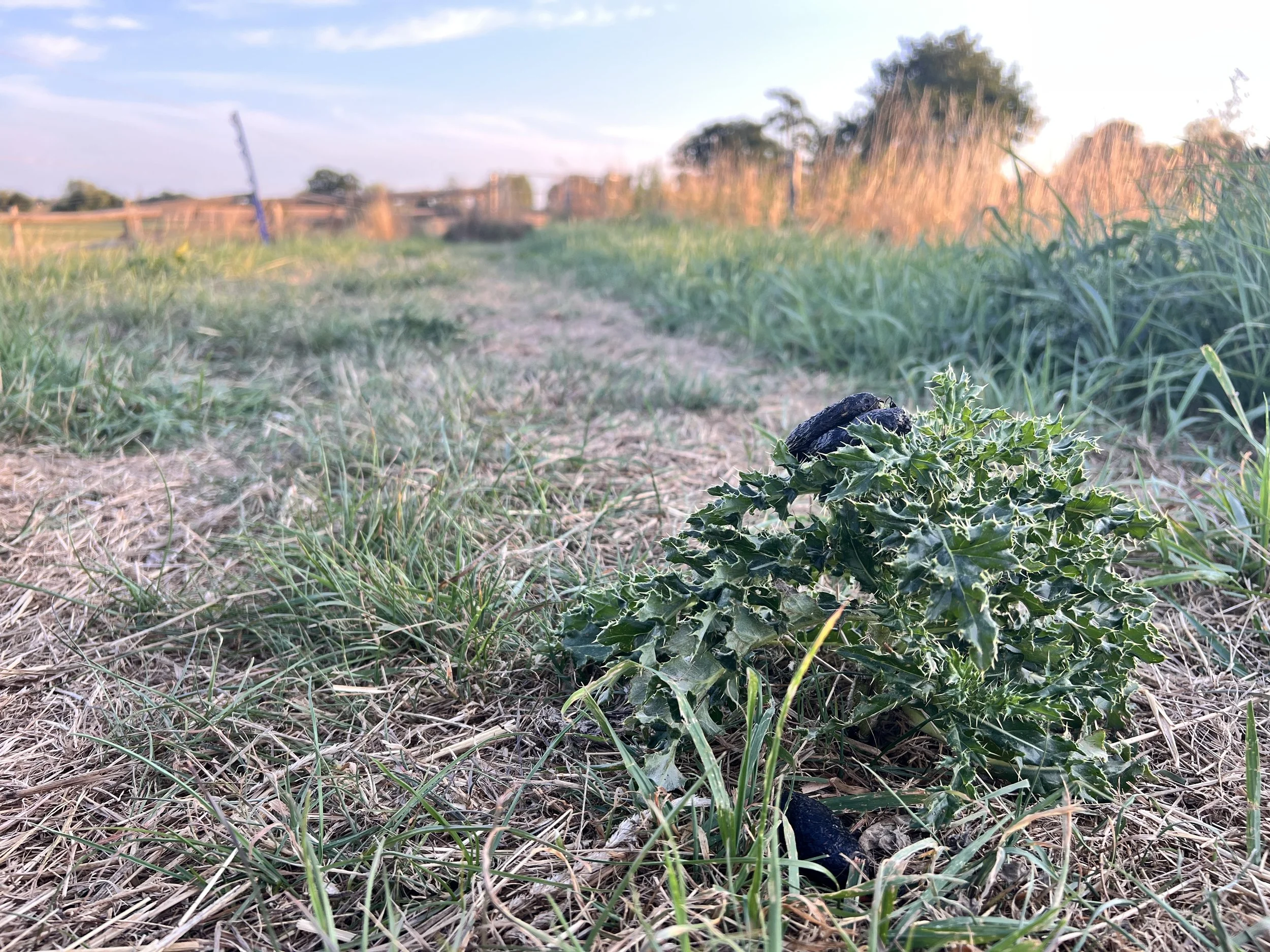
Foxes also place their scat on prominent points where they can spread their scent; boulders, grass tussocks, benches, logs, dustbins.
Badgers
Badgers rely heavily on scent, but in a different way. They are less concerned with distant detection and more with close-range information. Wind helps them read who has been there recently, where dangers may lie, and whether a path is still “safe.” In steady conditions, badgers will often quarter into the wind when leaving setts or moving between foraging areas. In broken wind, they hug hedges, banks, or ditch lines where scent pools rather than scatters.
Heavy rain followed by wind exaggerates this behaviour. Wet ground holds scent differently, so badgers tighten routes even further.
Badgers are not blessed with great eyesight so they need to collect information from a wider area ahead of them so they tend to tack left and right as they are moving and as a result their paths can sometimes be a little meandering. Badgers are the ultimate noses in the British woodland and with a steady, non swirling damp headwind badgers can smell a human at 150M! Their noses are extremely sensitive to both fresh scent and scent that is several hours old.
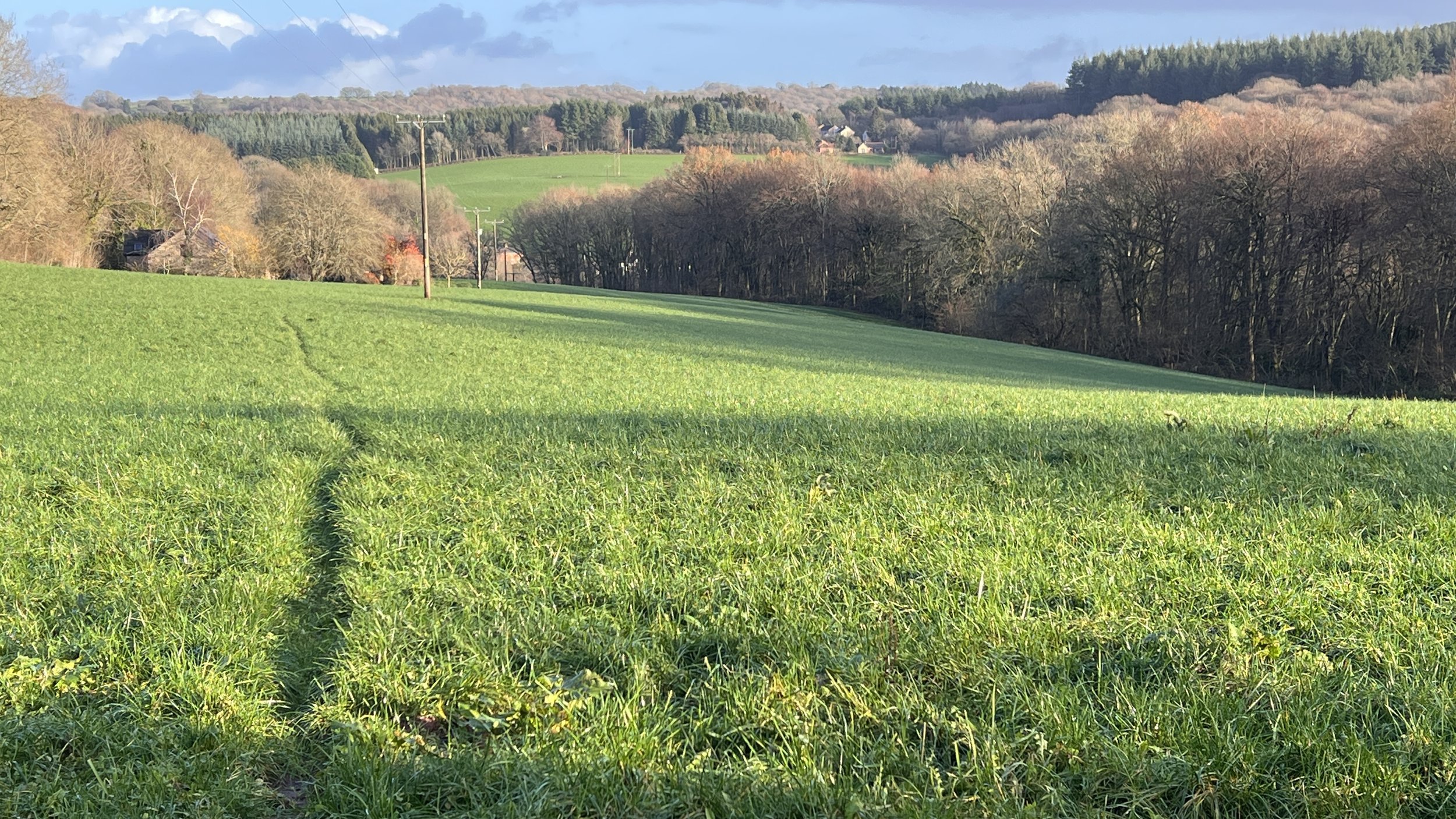
A typical badger path that gently tacks left and right, enabling Brock to gather as much information with his nose as he is foraging.
Deer
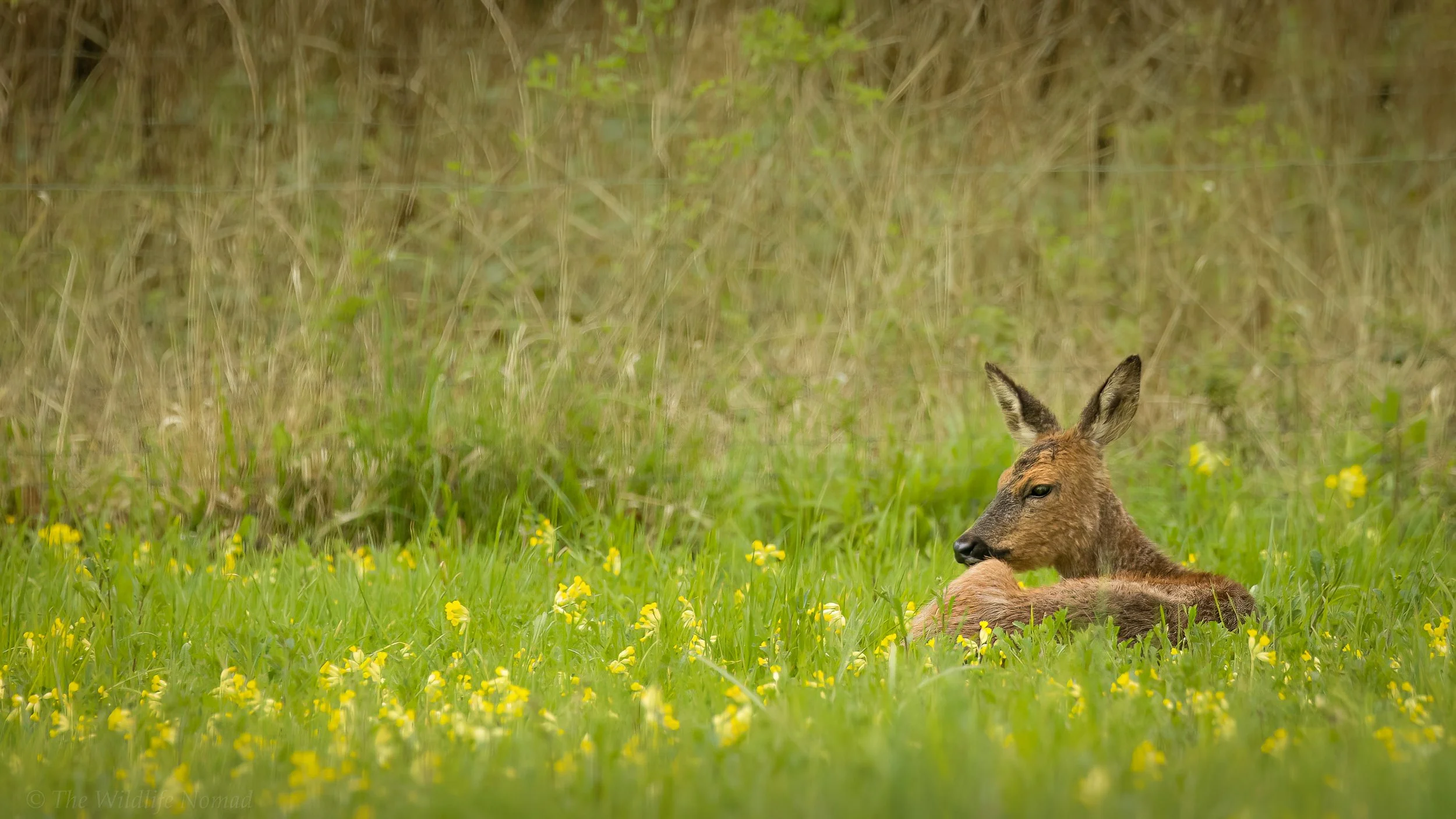
Deer combine scent and vision. This makes their wind use more strategic. Bedding deer frequently place themselves with wind at their back and a clear view ahead. That way they can smell danger from behind and see threat approaching.
When moving, deer adjust quickly. A sudden wind shift can cause route changes, pauses, or complete abandonment of a planned crossing. This is why deer trails often weave between sheltered lines rather than cutting straight across open ground.
Birds Read Wind Too, Just Differently
Birds do not rely on scent, but wind still dictates behaviour.
Raptors
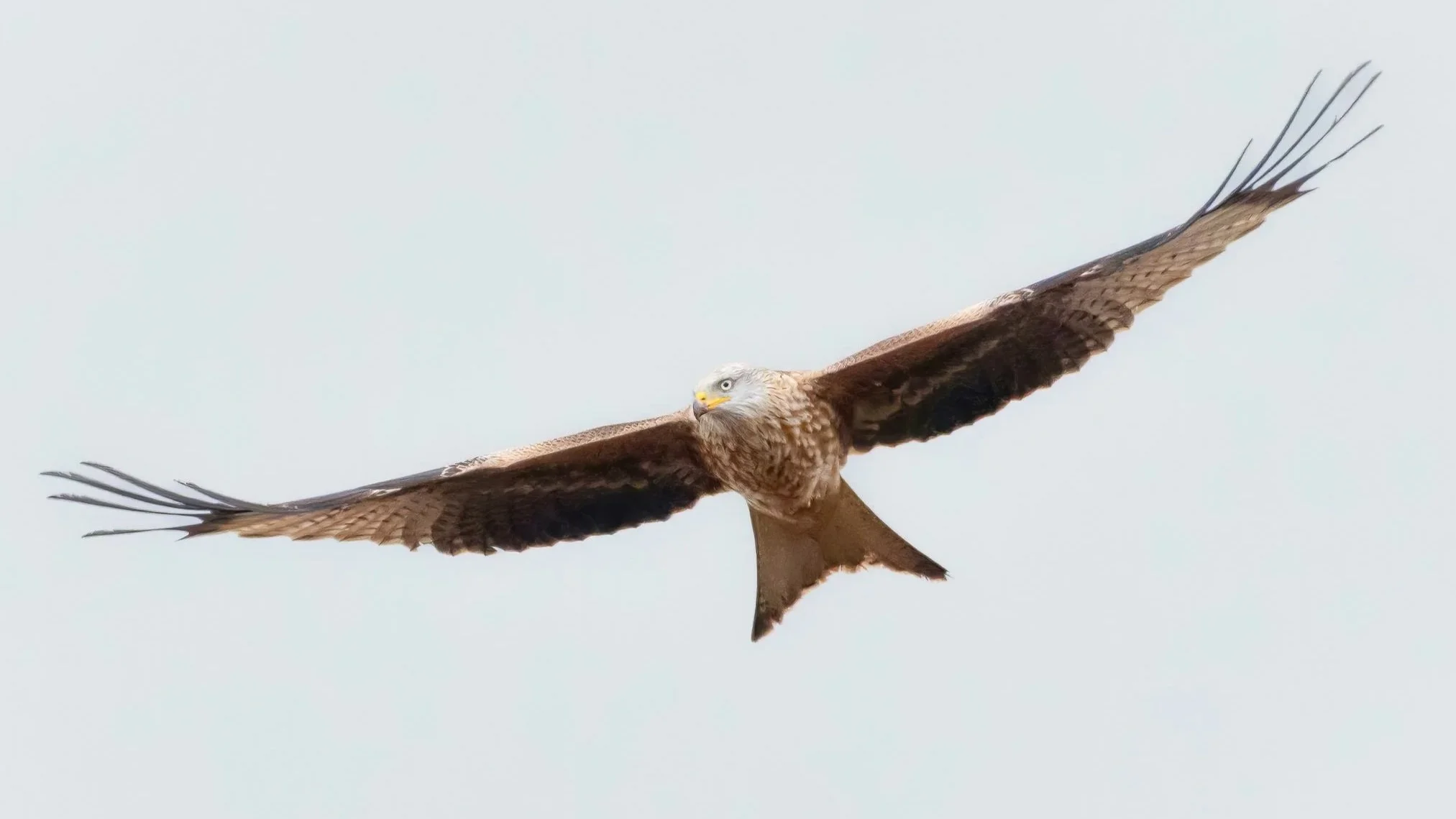
Buzzards, kites, and harriers use wind structure to reduce energy cost. Lift from ridges, hedgerows, and treelines allows them to soar or hover with minimal effort.
On calm days, hunting becomes more active. On windy days, birds often perch more and hunt from fixed points.
Owls are a special case. Cold, still air transmits sound better. Wind disrupts it. On blustery nights, owls often hunt lower, using field edges and sheltered margins to maintain acoustic advantage.
Small Birds
For small birds, wind is about exposure. Feeding shifts to leeward sides of hedges and woods. Song carries differently. Alarm calls travel further downwind. This is why south-facing hedges feel alive on cold windy days while the opposite side feels empty.
Wind Traps, Dead Air, and False Safety
Here is where most people go wrong.
Standing in a sheltered hollow feels safe. The air feels still. You assume your scent is not travelling. Often, the opposite is true.
Sheltered areas can act as scent basins. Cold or still air allows scent to pool rather than disperse. Animals entering those spaces receive a strong, concentrated warning. Similarly, banks, cuttings, and sunken lanes can funnel scent unpredictably. Wind above may be strong while air below circulates slowly. If you have ever felt invisible only to spook an animal that seemed nowhere near you, this is usually why.
Animals know these traps. They avoid them or use them deliberately when moving cautiously.
Reading Wind in Real Landscapes
Forget apps for a moment. Learn to look.
Watch how grasses lean at different heights.
Notice how leaves move under hedges compared to above them.
Pay attention to which sides of paths stay damp longer.
Note where frost lingers and where mist settles.
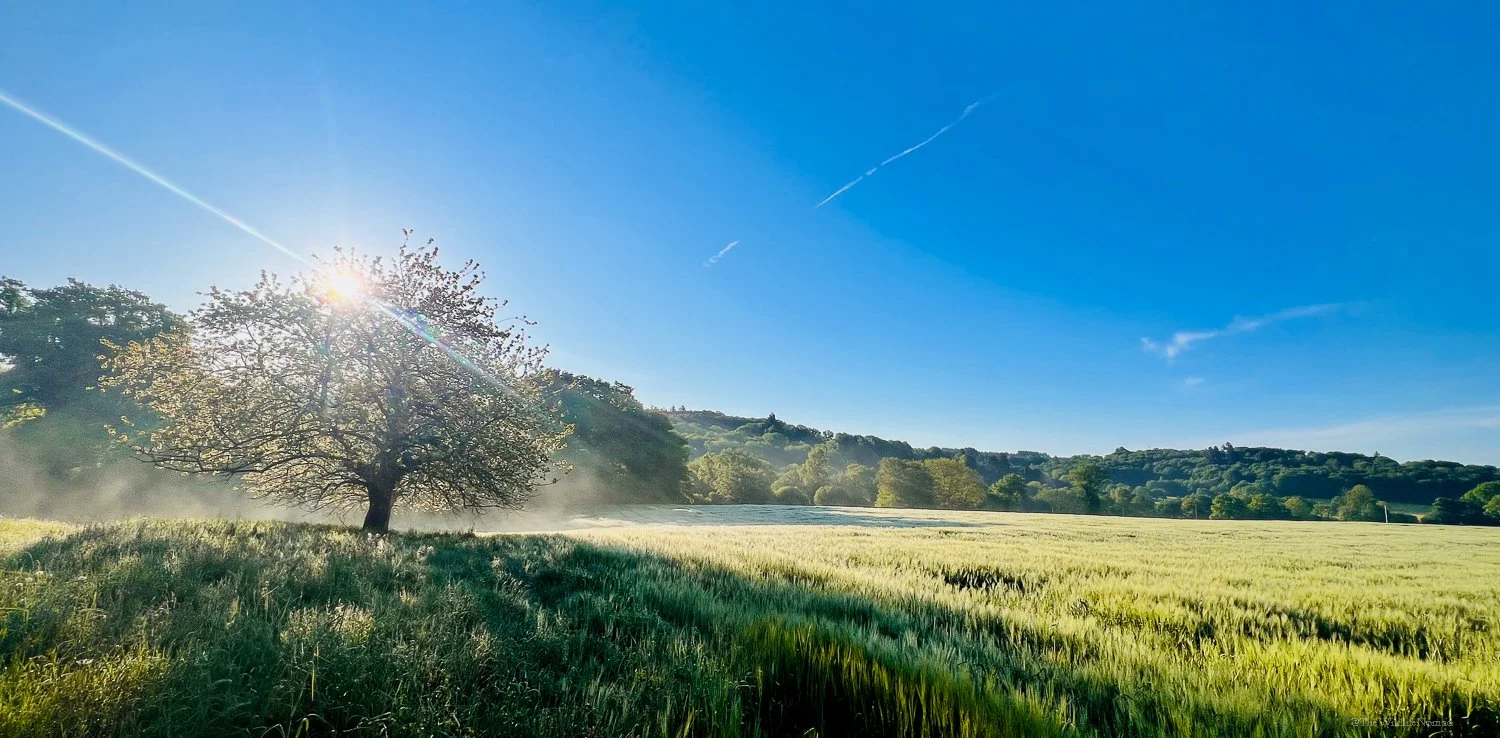
All of these reveal airflow patterns. Wind rarely moves in straight lines. It slides, eddies, and curls around obstacles. A single hedge can create two entirely different scent environments on either side. This is why local knowledge always beats general rules.
What This Means for Wildlife Photography
Good fieldcraft is not about getting closer. It is about making your presence irrelevant.
Wind tells you:
where to sit, not where to walk
when to wait rather than move
which routes animals are likely to favour tonight
which spots look good but will never work
Arriving early matters because wind stabilises late. Last-minute approaches often fail because the air has not settled. Choosing a position on the correct side of a feature is more important than distance, and sometimes the best decision is to watch, learn, and come back another day.
Ethics and Restraint
Wind knowledge brings power. That power needs restraint. Understanding how animals use wind can let you predict routes very accurately. That does not mean you should exploit it to force encounters. The goal is to observe natural behaviour without altering it. If an animal changes direction, pace, or posture because of you, something went wrong.
Ethical fieldcraft means accepting missed moments as part of the process.
Closing Thought
When people say wildlife feels unpredictable, it is often because they are not listening to the landscape. Wind is not an inconvenience. It is part of the conversation.
Slow down. Watch how it touches the land. Pay attention to who moves where when it shifts.
Eventually, you stop chasing sightings and start understanding them, and the woods begin to feel alive again.
Other Blogs of Interest
Listening as Fieldcraft: How Sound Awareness Transforms Your Wildlife Photography
Microhabitats: How to Find Wildlife by Reading the Hidden Places Animals Use Every Day
Fieldcraft Friday: Old country wisdom for wildlife photographers
——————————————————-
Fieldcraft FAQ: Wind, Wildlife & Movement
Does wind direction really matter when watching wildlife?
Yes. Wind direction affects how scent and sound travel, which directly influences how animals move, hunt, rest, and avoid danger. Many mammals choose routes based on wind rather than cover alone. Being downwind does not always mean you are undetectable, especially in broken or swirling airflow around hedges, banks, and woodland edges.
Do animals move into the wind or with the wind?
Both, depending on purpose. Predators such as foxes often move into the wind when hunting so scent information is carried toward them. Prey species and commuting animals may move with the wind when travelling quickly between known safe areas. Crosswinds are frequently avoided unless a linear feature like a hedge or ditch stabilises airflow.
Why does wildlife hug hedges and banks on windy days?
Hedges, banks, and woodland edges straighten and slow airflow. This improves scent clarity and reduces noise. In windy conditions, animals often compress their movement into these sheltered lines because open ground scatters scent and amplifies sound, making detection harder.
Is calm air always best for wildlife photography?
Not always. Still air can cause scent to pool, especially in hollows, sunken lanes, or sheltered woodland. These areas can become scent traps, alerting animals long before they are seen. Gentle, consistent airflow is often better than complete calm, as it disperses scent more predictably.
How can I tell which way the wind is moving on the ground?
Look beyond treetops and weather apps. Watch grass at ankle height, drifting mist, frost patterns, and how leaves move beneath hedges rather than above them. Wind behaves differently at ground level, and wildlife responds to these micro-airflows, not general wind forecasts.