

Reading The Landscape: Winter Hedges and Banks
In the first of a new blog series called “Reading the Landscape”, we look at how learning to read hedgerows can reveal wildlife behaviour, even in the quietest months of the year.
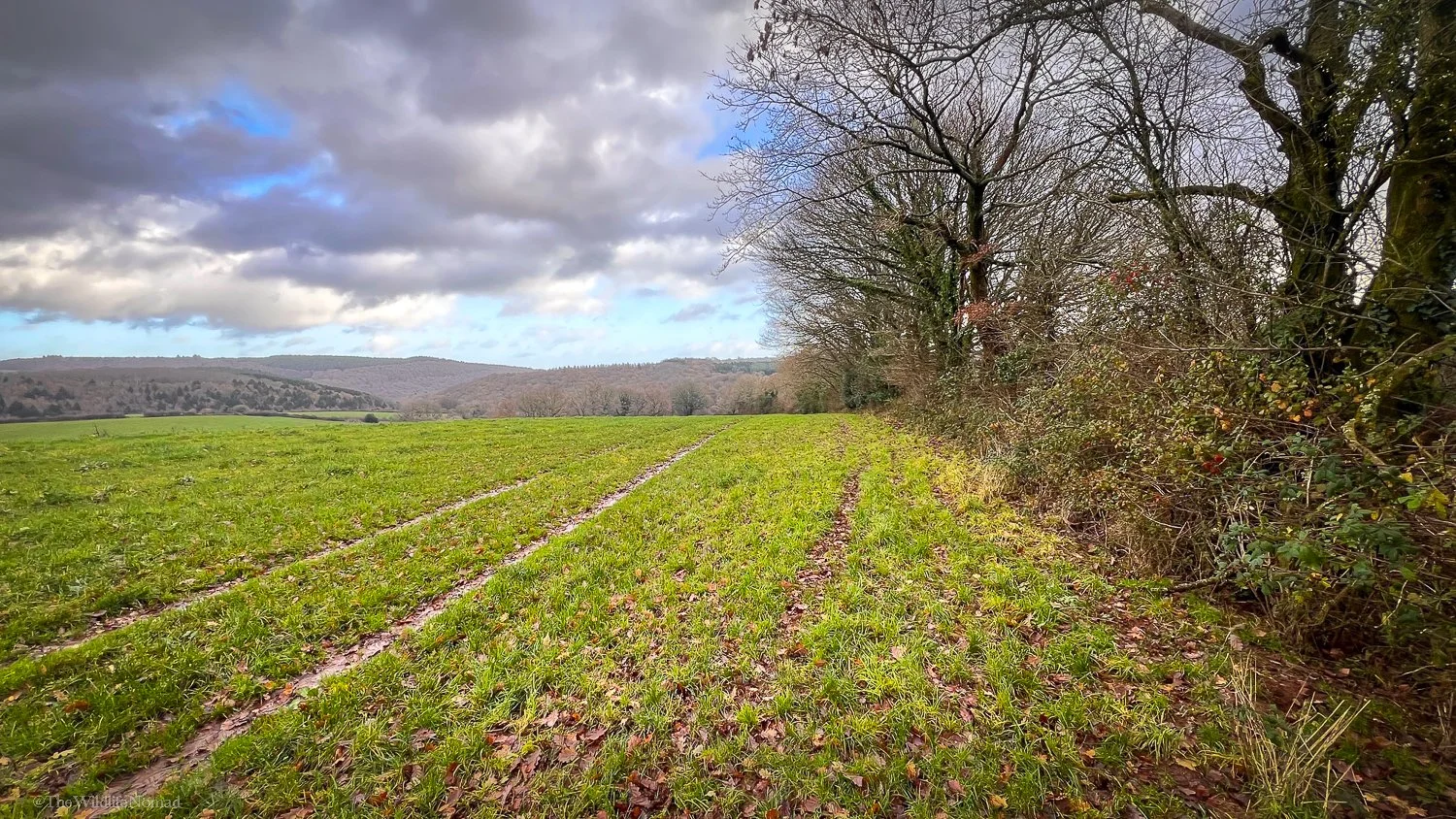
Most people walk past a hedge without a second thought. In summer the leaves hide its shape. In autumn your eye is drawn to colour rather than structure. But in winter something shifts. The hedge becomes honest. It can no longer disguise the features that matter most: its framework, its shadows and the tiny spaces where animals feed, pause and pass unseen.
For nature watchers and wildlife photographers, winter hedges might be the richest and most revealing microhabitat in the countryside (what is a microhabitat?) The distractions fall away. What remains is a clear outline of how animals use edges to survive. Trails, broken stems, clipped berries and subtle changes in soil tell a story if you slow down long enough to notice.
I learned this slowly over years of watching hedges in mixed farmland and small woodland edges, especially where I grew up in rural Buckinghamshire. At first I treated hedges as background scenery. They were the lines between the places where wildlife “actually happened.” It took a long time to realise that the hedge is not the space between things. The hedge is the place. It is where journeys begin and end, where scent is exchanged, where predators solve their hunting problems and where prey weigh up their options with quiet urgency.
This blog is a guide to reading winter hedges in a way that gives you deeper confidence in the field and far more clarity about where to stand, how to wait and what to expect. It is about understanding the small patterns that repeat across farmland, meadows and woodland edges, and how those patterns shape the behaviour of the animals you hope to see.
The Hedgerow as a Winter Lifeline
A hedge in December is a survival engine. Even a short stretch offers more resources than the surrounding farmland. Even more so if that hedge sits atop a bank where it shelters more land, and offers higher view points for birds to feed from.
It gives wildlife:
food in the form of sloes, rosehips, hawthorn and ivy berries
shelter from wind and rain
warmth in pockets of still air
travel corridors for safe and predictable movement
One winter morning, about 40 years ago, frost still crisp on the ground, I watched a blackbird working a blackthorn hedge with unusual purpose. It wasn’t feeding randomly. It moved from one sheltered berry cluster to the next with the kind of precision you normally associate with predators rather than thrushes. Although I didn’t appreciate it at the time, I was watching a survival strategy being used right in front of me! A systematic approach to minimise energy expended, and maximise the calories consumed. Hedgerows are not random spaces. They concentrate behaviour. They map food, cover and safety into a narrow line that dozens of species depend on.
What Winter Reveals
With the leaves gone you can see:
the internal scaffolding of the hedge
old growth versus new growth
which parts have been browsed
where small mammals enter and exit
the margins where birds feed and predators travel
A hedge becomes a visible record of night movement and daytime feeding.
Aspect: Why North and South Sides Matter
This is a detail that becomes obvious once you start looking for it. The two sides of a hedges and banks behave like different habitats in winter.
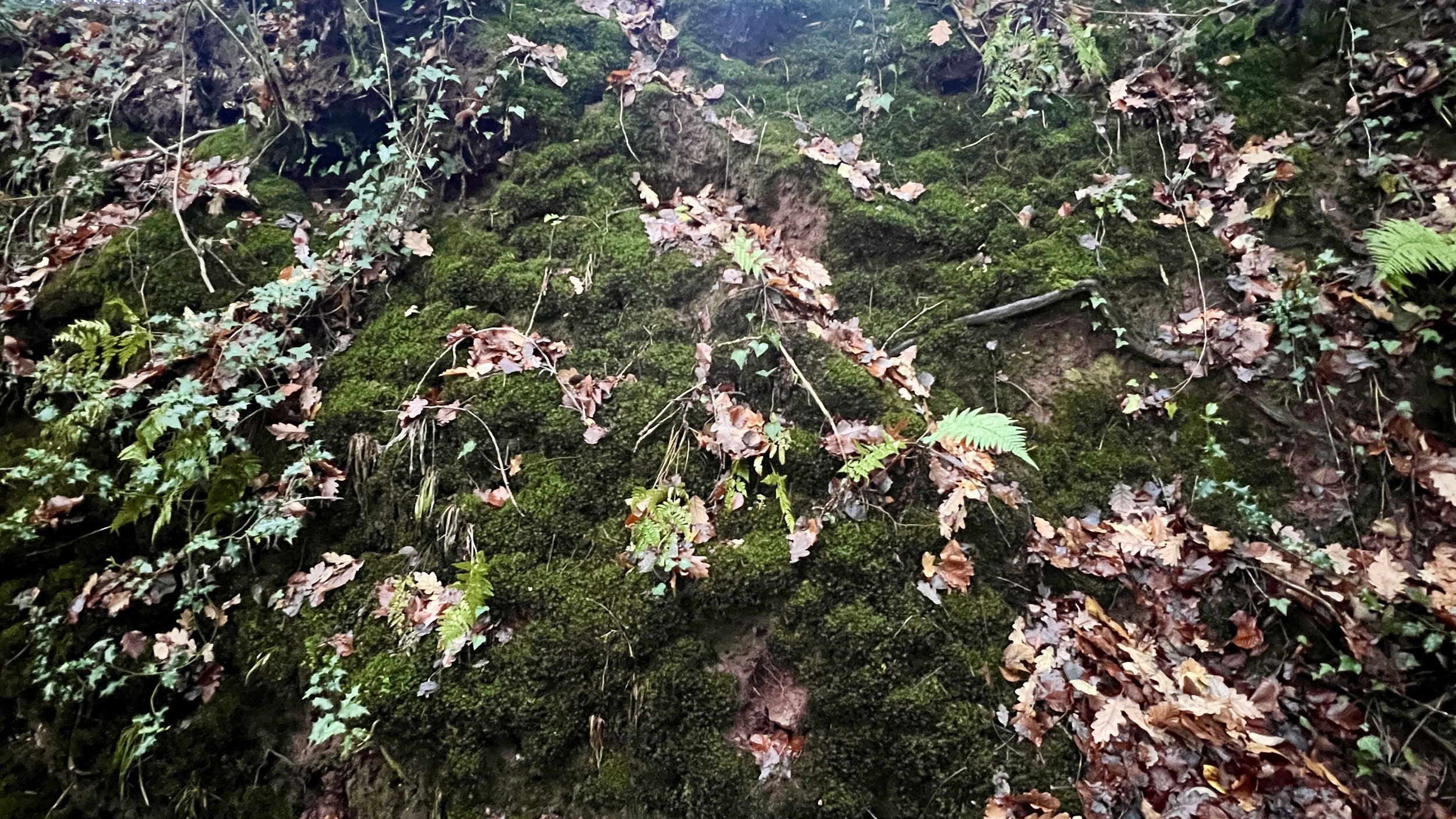
North-facing side
The north side is colder, darker and wetter. Moisture stays longer. Moss thickens. The soil remains softer after rain. This extra dampness draws worms, beetles and slugs.
As a result you often find:
blackbirds and robins turning leaves
vole activity in the thicker ground cover
Three small patches of disturbed soil on the north side can tell you more about movement than a single large trail.
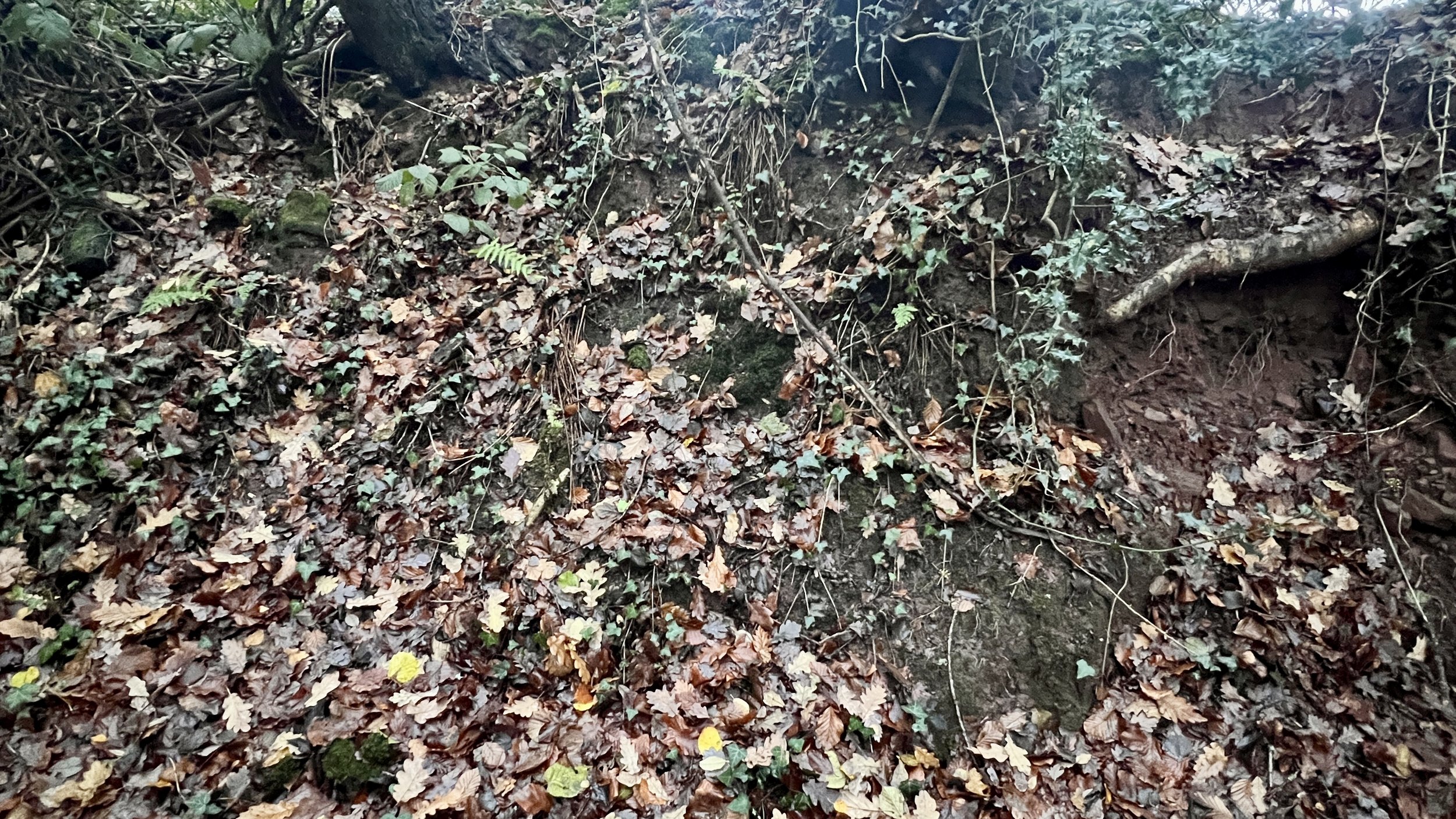
South-facing side
The south side warms faster and dries sooner. It often feels like a different season entirely. Birds use it to perch and warm themselves. Foxes use it as a vantage point. If you find scat on raised features such as tussocks or molehills, it is often on the south side where sunlight catches the marking.
A hedge is not simply left and right, it is warm and cold, dry and damp, bright and shaded. Wildlife responds to those differences with remarkable consistency.
Always try and think about the priorities of the species you are trying to watch or photograph, in relation to recent events such as weather. Is a Fox more likely to sun themselves to dry off after a morning shower (Southside) or need to hunt for voles on the North side because it’s rained heavily for the last 2 days and they are hungry? (On the North side typically the cooler shaded air traps scent better making hunting easier). Is a Badger more likely to move to the North side of a hedge to pick up worms in the softer soil, or are they travelling to an outlier set or moving to a territory boundary to reinforce their presence, and would likely prefer to move along Sothern edges of banks and hedges where the ground is drier and typically quieter?
A New Field Experience: Reading Sign Instead of Seeing Wildlife
When I finally understood how a hedge or bank can reveal more through sign than through direct sighting a whole new world opened to me.
Imagine that an overnight frost has firmed the ground, but a shallow ditch runs along the North side of a hedge base holding a soft layer of leaf litter. You walk slowly, reading the soil more than the hedge itself.
At three points along the base you find freshly loosened earth no bigger than your hand. Each patch sat in a slight hollow beneath the roots. Nothing dramatic. No trail. Just small, deliberate disturbances. Badgers often test insulated pockets like this on cold mornings, sensing for worms just below the surface. One patch tells you very little. But three in a line begin to form a sentence.
Rather than wait beside the hedge (you know the badger will be long gone as its been light for 2 hours), you move ahead, following the implied direction until you reach a field corner where the hedge opens out. There you slow down again and scan the soil carefully. A single clean badger foreprint sits in the damp earth. Five toes in a loose arc. A long rear pad. The print angled towards the field where he had stepped out to feed. A few steps further and there were his snuffle holes…….signs of a good nights feast on worms.
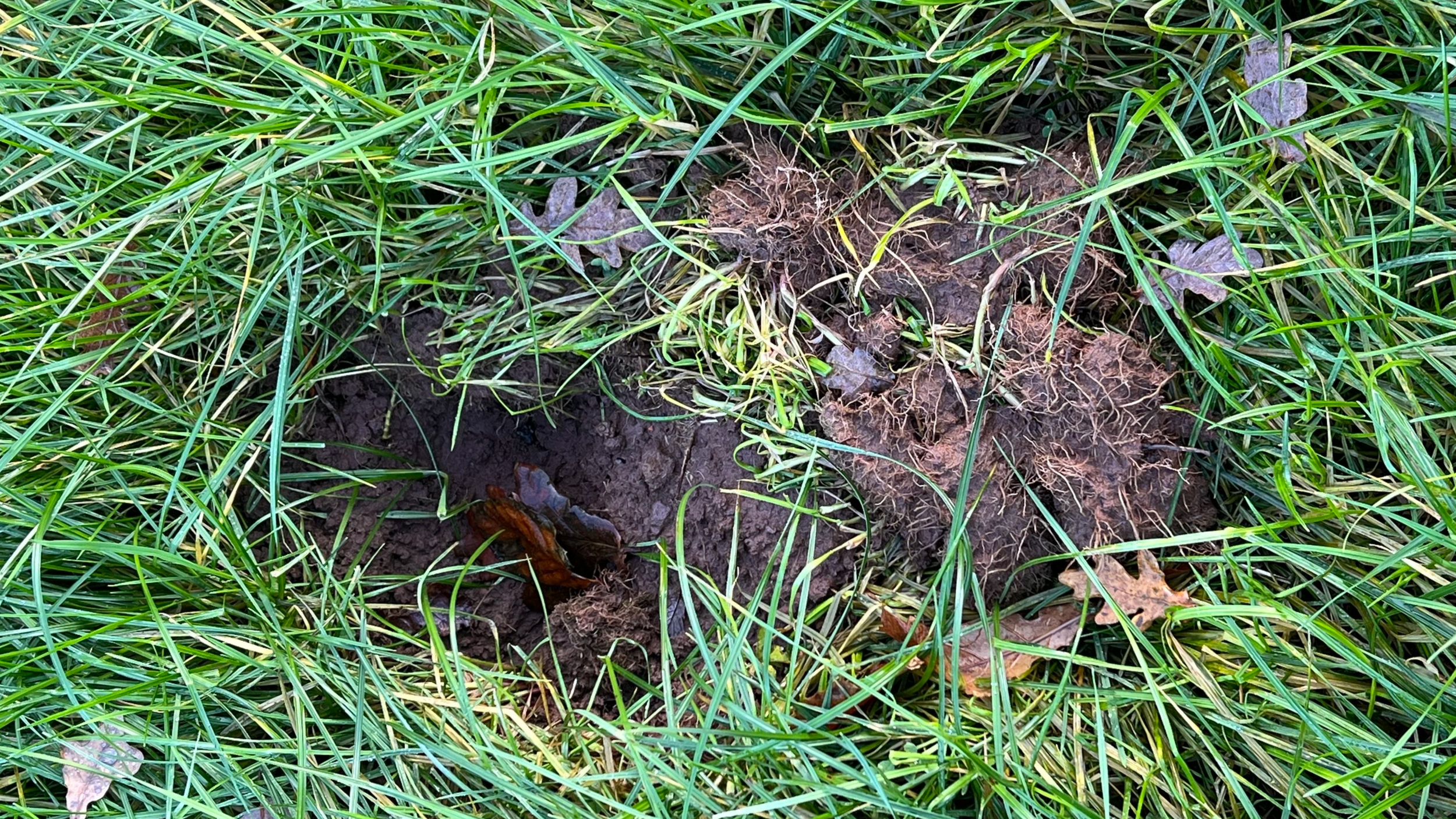
You never saw the badger that morning but you didn’t need to. The landscape has shown shown you where he travelled and why.
This is what fieldcraft becomes when you stop relying on chance encounters and start reading the shape, moisture and structure of the land.
The Hedge as Highway, Hide and Meeting Point
Some of the regular users of North and South sides of hedgerows include:
Foxes
Foxes use hedges differently to Badgers. They travel just off the hedge rather than inside it (maybe 5-8 ft from the edge). This gives them:
a view of the field
scent carried on the wind
the safety of quick retreat
Look for scat on raised features, neat rub marks, narrow pathlines and small polished areas where fur has brushed the same stem repeatedly. They love to sun themselves (on the Southern side) on cool mornings (especially if the spot gives them a good view), much like a cat in a window sunning itself and looking out on to a busy street.
Badgers
Badgers rarely travel through open ground unless they have to. They favour edges because edges solve several problems at once: they break the wind, hide silhouettes and provide cover for scent-marking. In winter they often keep to the inside edge of the hedge where the root line raises the soil slightly and drainage is better. Tiny shifts in ground hardness can change their route by half a metre. Those shifts matter when you are positioning yourself for observation or photography. Typically they travel distances on the Southern sides of hedges, where the ground is firmer (better footing) and less noisy, the Northside is preferred for feeding. Of course this is all dependent on cover as badgers prefer to keep out of sight and will favour the side with more vegetation (if there is any in Winter). In my experience latrines are usually on Southerrn sides of hedges or banks where the ground is drier, although this is dependent on prevailing winds and assuming that one side of a hedge doesnt sit higher than the other. Badgers will almost always favour higher ground for latrines, especially if marking at the edge of their territory.
Small mammals
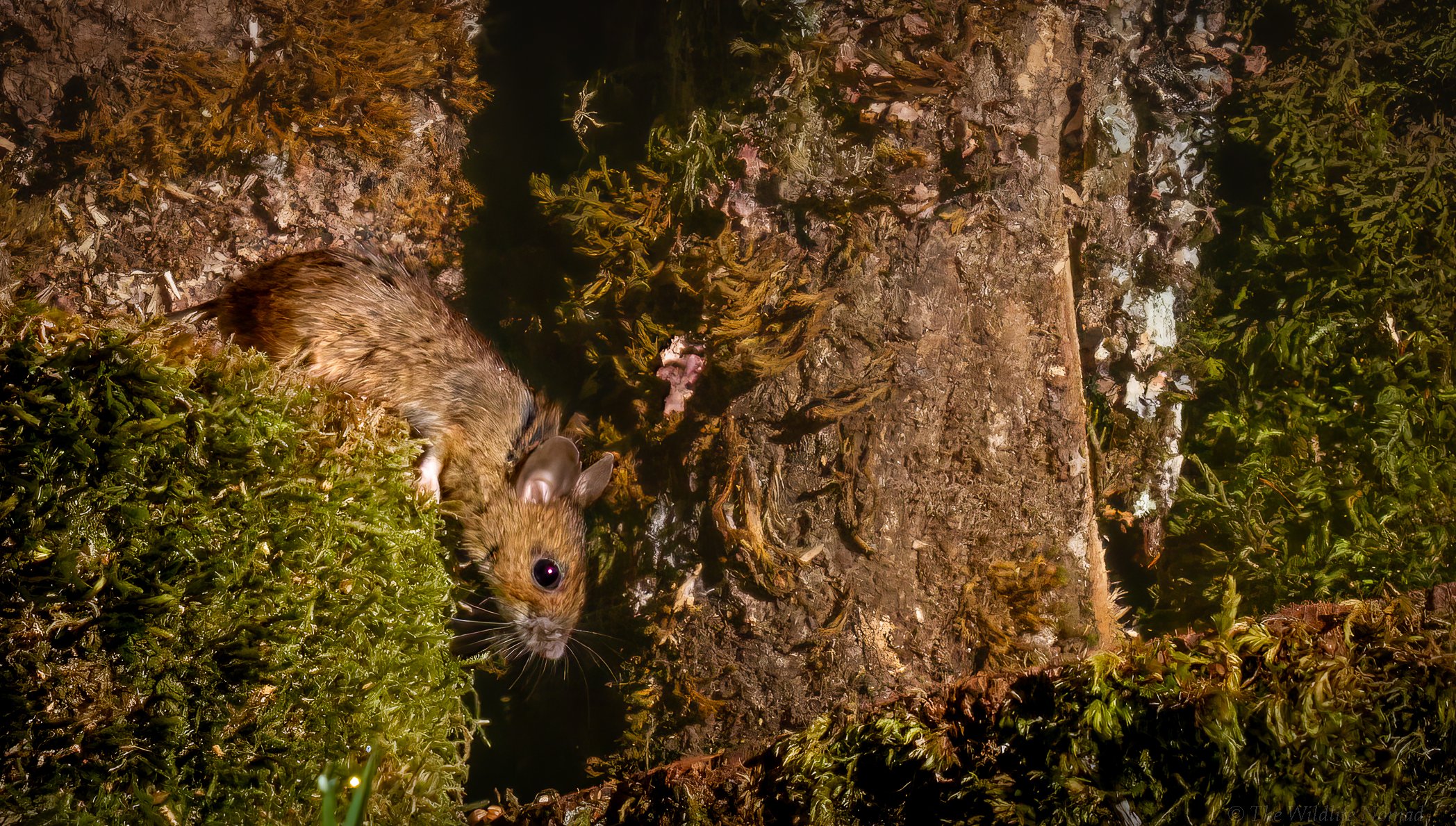
Rabbits, voles and mice turn hedges into movement corridors. They carve cross-hedge tunnels and short escape lines that become predictable hunting lanes for stoats and weasels. Rabbits like the South side on mornings too (as it warms quicker than the North) and whilst not being watched will happily feed on the Southside. When under threat they will move to the Northside where the shadows are deeper.
Amphibians, slugs, snails, woodlice
Generally all prefer the damper Northside.
Birds
Thrushes, blackbirds, finches and tits rely heavily on hedges in winter. They feed along berry clusters, move between sheltered perches and drop quickly into cover at the first hint of danger. For photographers, these are some of the best chances for natural behaviour. In afternoons Wrens, Robins, Dunnocks tend to work the cooler, mossier, insect-rich Northside of a hedge or bank. The Southside is used by them but for different prey and different purposes (Robins often sing from warm, sunny Southern perches). They also use the Southside on frosty morning where the leaf litter softens first. Seed heads, fruit and flowers tend to do better on the South sides of hedges so this can also be a big factor as to where birds will choose to feed.
Reading a Hedge in Three Layers: Ankle, Knee and Eye Level
Breaking a hedge into three vertical zones helps you interpret it with far more clarity. Each layer tells a different part of the story.
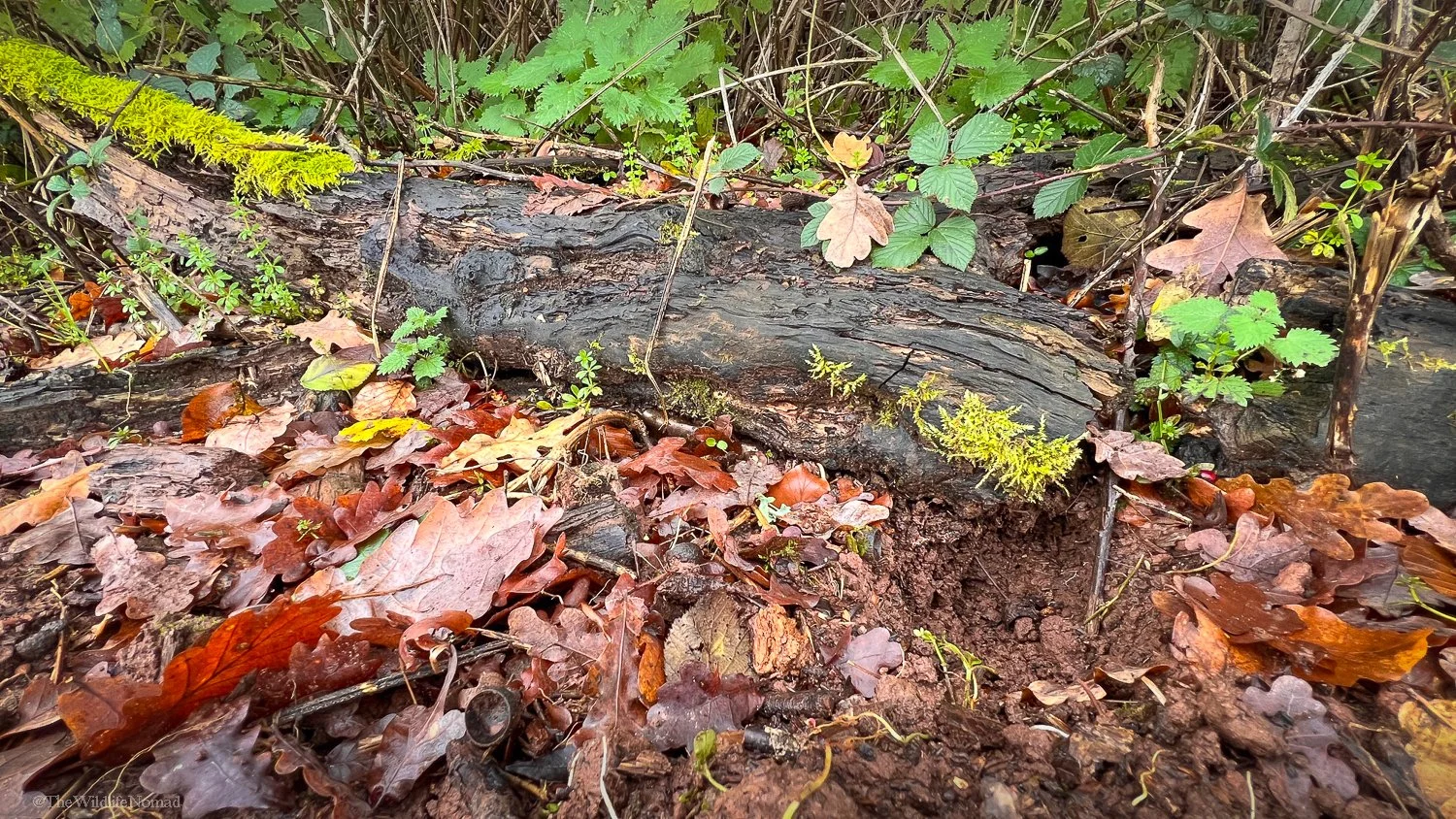
1. Ankle Height (0–30 cm)
The movement and feeding zone
This is where most mammals and many ground-feeding birds operate. It holds the highest density of sign.
Look for:
narrow trails
snuffle holes
vole runways
clipped vegetation
droppings placed with purpose
Animals use this zone because it is sheltered, predictable and safe. If you learn to read ankle-height sign well, you can often predict movement to within a metre or two.
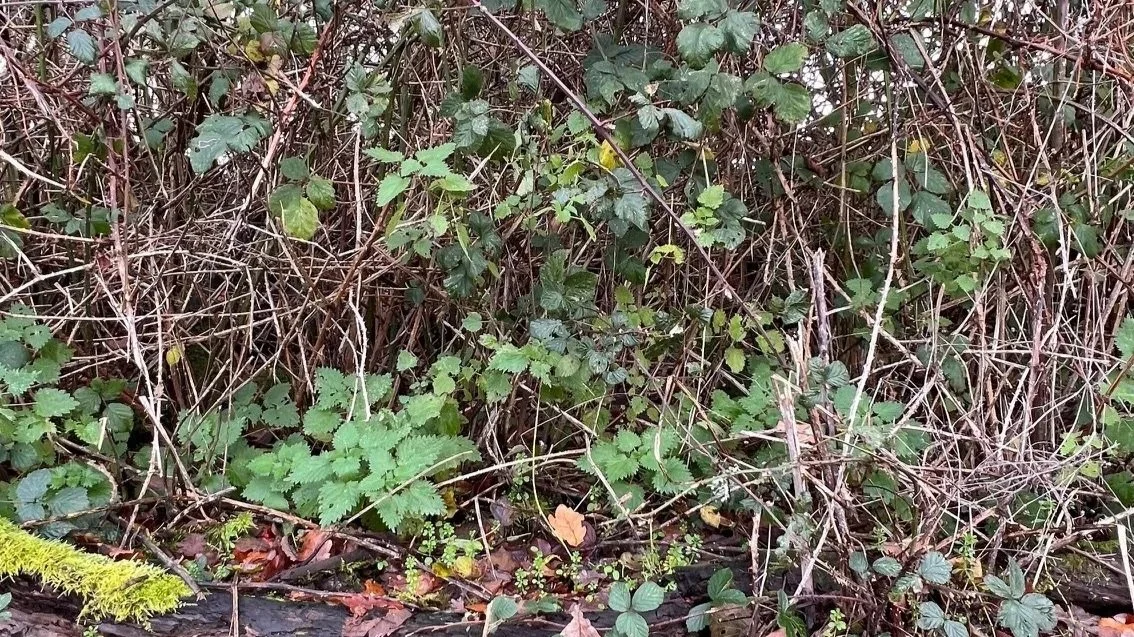
2. Knee Height (30–70 cm)
The contact and rub zone
This is the level where mammals brush against stems as they travel. It is where scent is left, stems are polished and subtle disturbances reveal regular use.
Look for:
snagged hairs
polished surfaces
snapped twigs
bent bramble arches
light fox scent marks
This layer shows confidence. Animals that move close enough to leave body sign are comfortable in that corridor.
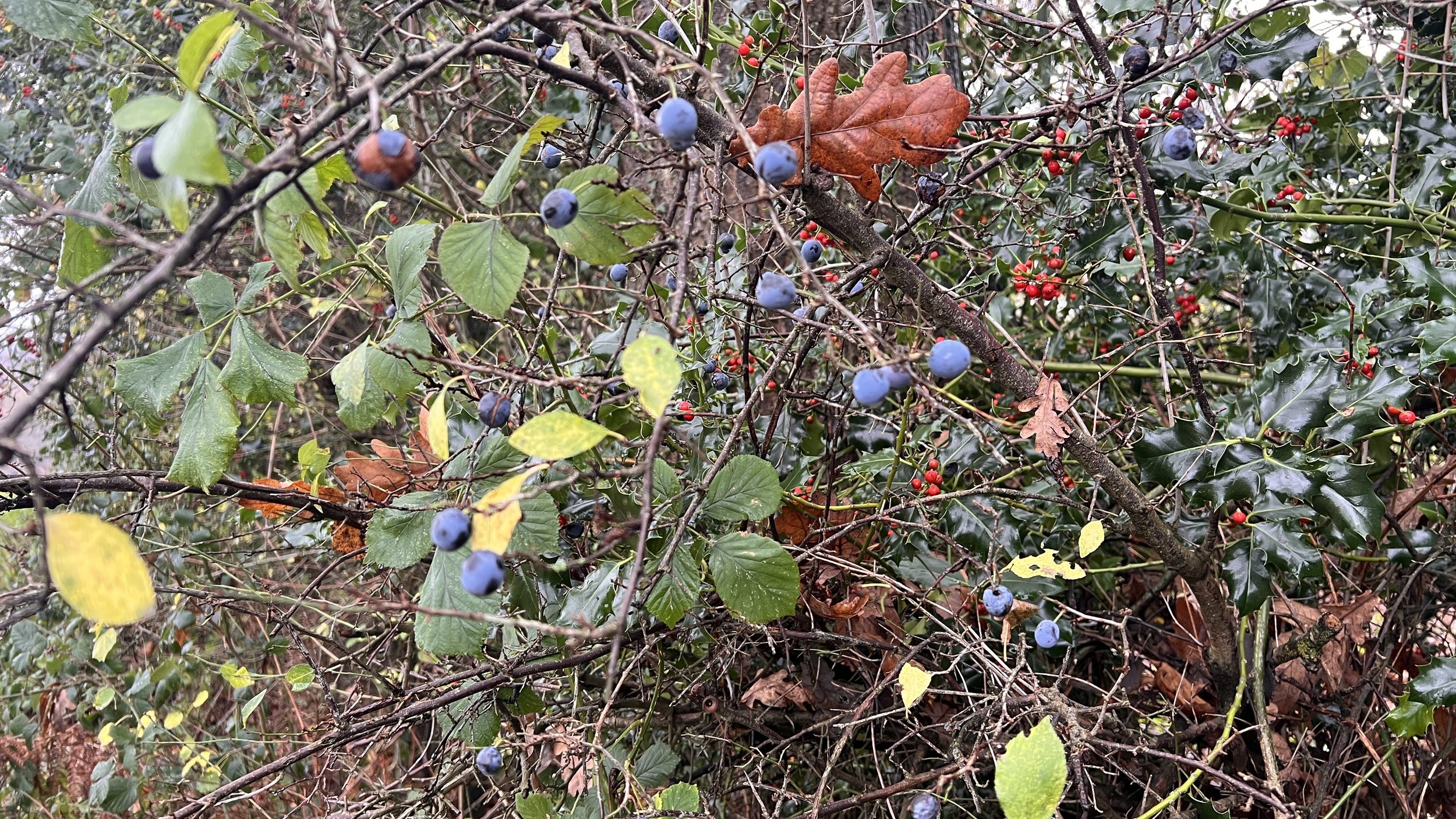
3. Eye Level (1–2 metres)
The feeding and perching zone
Birds use this level for perching, feeding, scanning and alarm-calling.
Look for:
stripped berry clusters
neatly clipped stems
regular perches
droppings beneath favourite lookout points
This zone is where you see the shape of bird movement rather than mammal movement.
Light: The Winter Advantage
Winter light turns hedges into fieldcraft tools.
Low angle
Reveals texture in soil, snuffle holes, runways and tunnels.
Soft overcast light
Ideal for photographing detail and colour without harsh shadows.
Backlighting
Turns berries, leaves and fine stems into natural silhouettes and highlights subtle structures you would miss in summer.
How These Skills Improve Your Photography
Understanding hedges changes how you work.
It allows you to:
predict movement
choose better locations
reduce disturbance
create more authentic images
recognise behaviour before it happens
A hedge becomes a natural hide. Work the downwind side, stay low, let the structure break your outline and use behaviour rather than chance to determine where you set up.
Winter hedges also give you repeatable opportunities:
blackbirds feeding on berries
mice and voles picking up seeds
finches perched in clean light
foxes scent-marking
badgers foraging
detailed shots of frost, stems and sign
Photography becomes calmer and more deliberate when you let the landscape guide you.
Conclusion: Why Winter Hedges Deserve Your Attention
A hedge may look simple in winter, but its simplicity is deceptive. It is a layered, dynamic and highly structured habitat that wildlife depends on. If you learn to read hedges carefully, you begin to see:
predictable patterns
repeated routes
signs of feeding and rest
clues hidden in small changes in moisture and light
the quiet decisions animals make when they think no one is watching
Hedges are teachers.
Slow down.
Study them.
Let them reshape the way you observe wildlife and the way you approach your photography.
Other Blog Articles of Interest
Microhabitats: How to Find Wildlife by Reading the Hidden Places Animals Use Every Day
Tracking After Rain: How to Read and Photograph Animal Tracks for Wildlife Photography and Watching
Reading the Nibbles: How to Identify Wildlife from Feeding Signs in the UK
——————————————————
Winter Hedgerow FAQ
What wildlife uses hedges in winter?
Hedges act as thermal buffers in winter. Small birds use the dense structure for shelter and night roosting, while mammals such as foxes and badgers travel along hedge bases where the soil stays slightly warmer and more protected from wind. You’ll often find feeding signs, tracks and droppings concentrated on the sheltered side of a hedge because animals minimise energy loss in cold weather.
Why is the south side of a hedge warmer in winter?
The south side receives more direct sunlight during the short winter days. This creates a slightly drier, warmer microclimate that supports insects, berries and green growth later into the season. Many animals prefer this side for feeding or resting because it reduces heat loss and offers firmer ground. Fieldcraft-wise, this is a good place to scan for tracks, trails and fresh browsing.
How can I tell which side of a hedge animals are using?
Look for subtle signs along the hedge base. Compressed grass, polished stems, trodden soil and narrow runs tell you where animals move regularly. Latrines, scent marks, hair caught on thorns and disturbed leaves often sit on the warmer, drier flank. In winter, muddy substrate helps because fox pads and badger prints register clearly, giving hints about direction of travel.
Are hedgerows good places for winter wildlife photography?
Yes. Hedges create natural edges where food, cover and movement coincide. Many species follow these sheltered corridors at dawn and dusk when light is at its best. Photographers can use gaps, gateways and bends to anticipate animal movement while staying hidden. South-facing sides offer softer light and more activity, while north-facing sides reveal moisture-rich prints and field signs.
What should I look for when reading a hedge in winter?
Focus on moisture, shade and structure. North-facing sides remain colder and wetter, often holding moss, fungi and clear tracks in the mud. South-facing sides hold more berries, small feeding signs and above-ground resting spots. Pay attention to height zones too: ankle height for runs and tracks, knee height for feeding browse, and eye level for bird activity and territorial marks. These layers show how wildlife moves through the hedge and what it needs in winter.