
UK Wildlife News November ‘25: Rivers Rebuilt, Hidden Journeys, Fragile Refuges
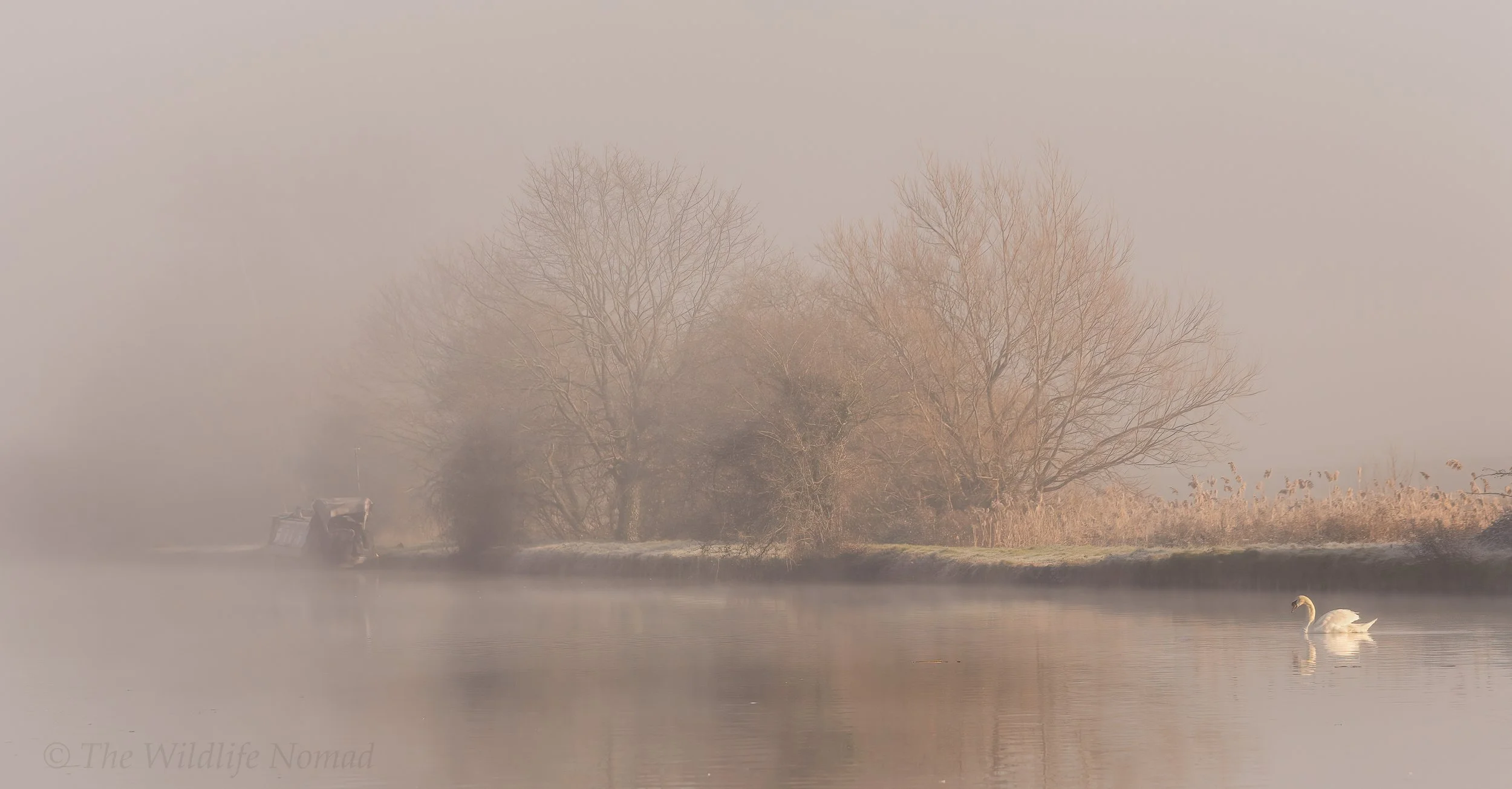
November often feels like a month that settles into stillness. The leaves drop, the days shorten, and wildlife seems to retreat into the background. But look more closely and you’ll notice something else happening. The quieter the countryside becomes, the clearer the underlying patterns of change appear. This month’s stories show both the pressures and the possibilities for British wildlife, and how thoughtful conservation work can still make a real difference.
Below are five stories from across England, Wales and Scotland that matter to anyone who watches, photographs or cares about wildlife. Each one includes a suggested photography project to help you connect with the species and landscapes behind the news.
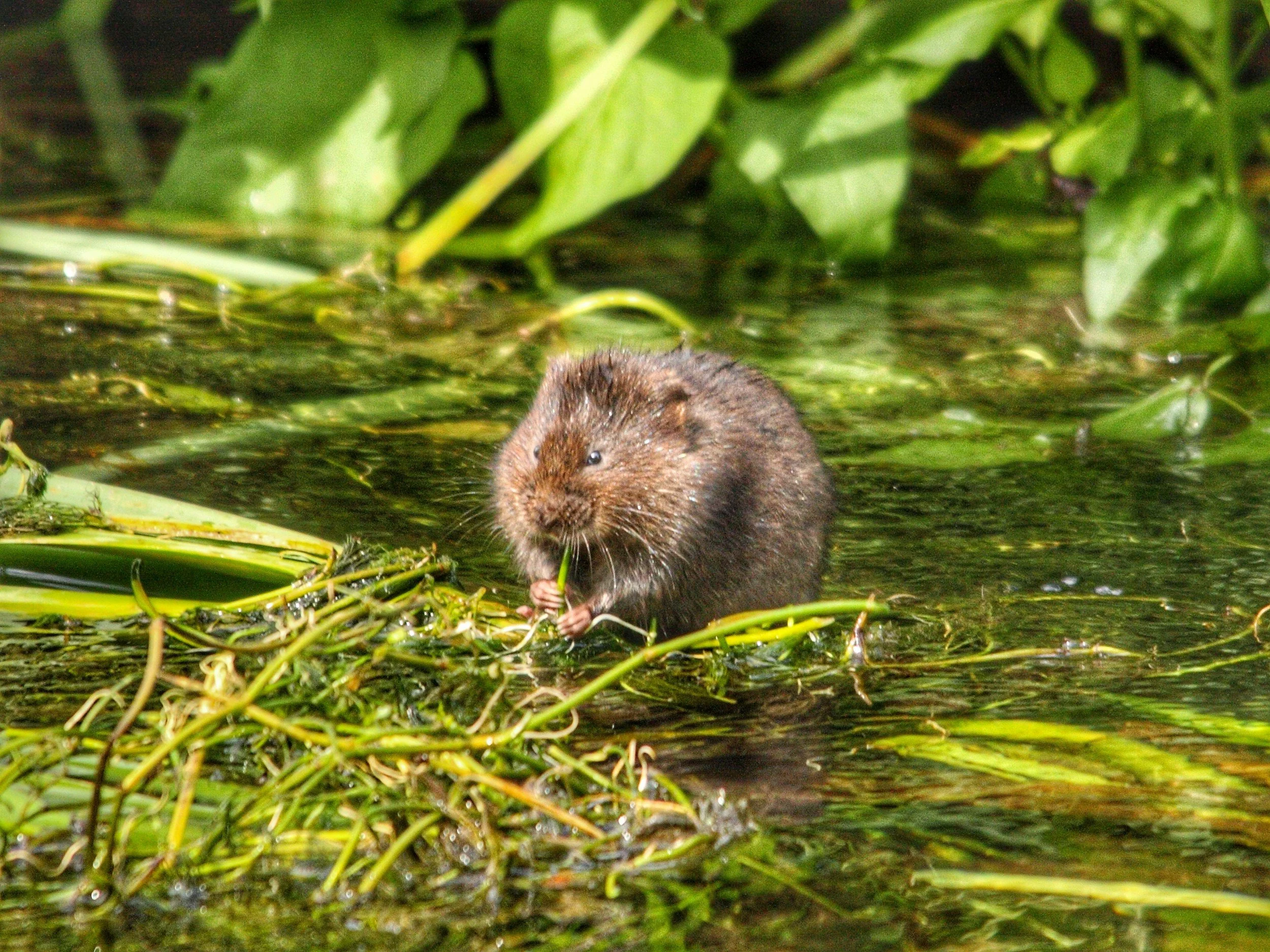
Rebuilding Rivers for Water Voles — Derbyshire’s Quiet Recovery
Read more: https://www.derbyshirewildlifetrust.org.uk/news
In Derbyshire, a stretch of the Bradbourne Brook is being reshaped with one creature in mind: the water vole. Once widespread, they’ve almost disappeared from England. Their recovery starts at the river’s edge — literally. Derbyshire Wildlife Trust is restoring eroded banks, fencing livestock away from margins, and letting rough vegetation regenerate. These changes slow the flow of water, reduce erosion and recreate the tangled edges that water voles depend on.
The work is practical rather than glamorous, but it restores the places where life accumulates. When riverbanks recover, kingfishers perch again, wagtails feed along new margins and amphibians return to the slower, muddier shallows. The vole is the headline species, but the whole river community benefits.
Photography Project: “Life on the River Margin”
Aim: Document the edges of a recovering river and the wildlife signs that appear there.
What to photograph:
Re-profiled banks, new vegetation, and fenced margins.
Classic vole signs: grazed stems cut at an angle, runs in riverside grass, burrow entrances.
Other species returning to the edges — wagtails, dippers, even just the insects on emergent stems.
How to approach it:
Walk one bank only; water voles are sensitive to vibration.
Sit low and still. Look for ripples moving across the current.
Use a long lens to maintain distance and let wildlife continue undisturbed.
Think “habitat first.” Even without a vole sighting, the images tell the story of a river being rebuilt for wildlife.
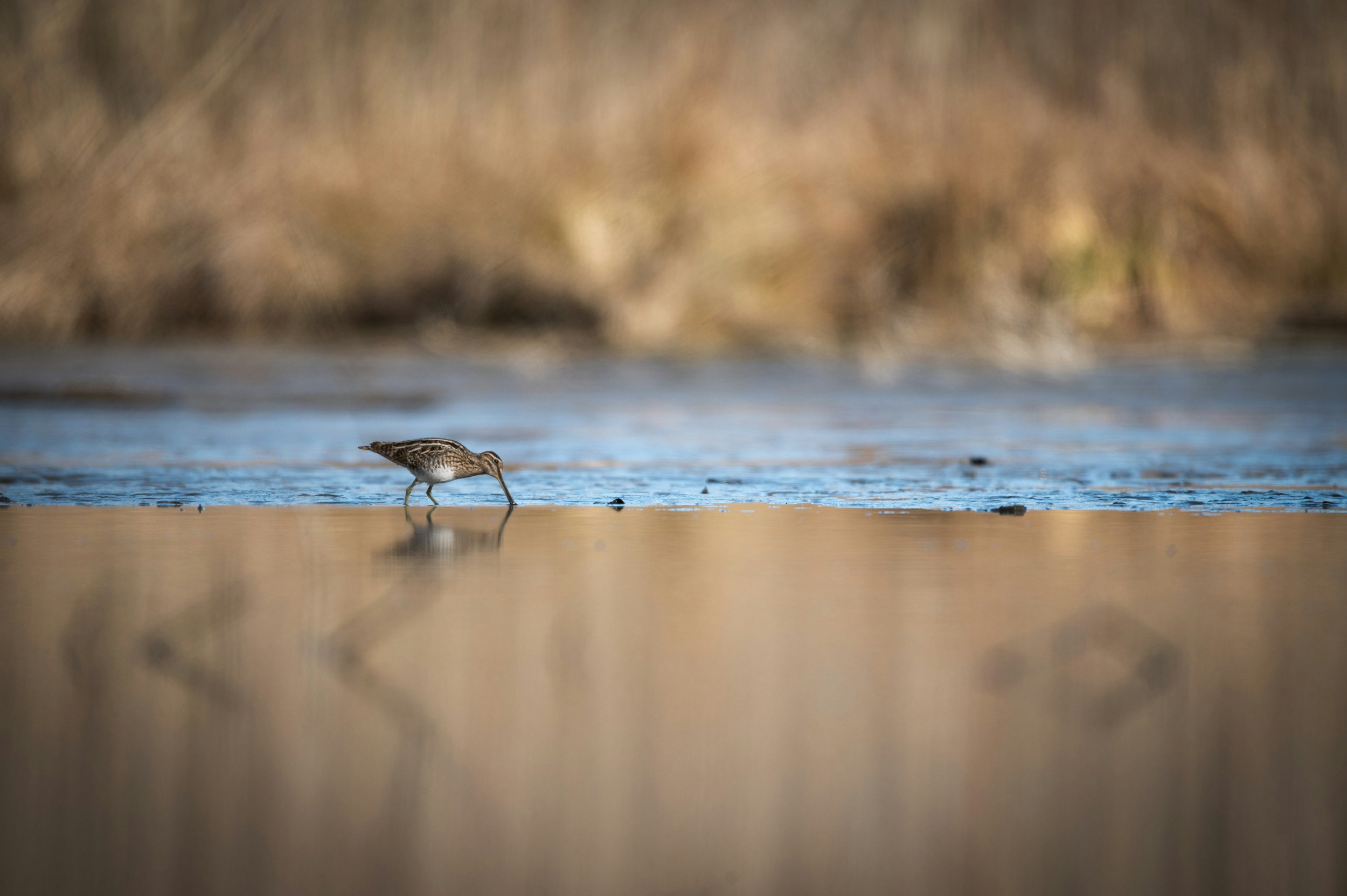
Tracking the Secret Migrations of Common Snipe
Read more: https://www.gwct.org.uk/news/news/2025/november/new-project-to-track-common-snipes-migration-routes
The Game & Wildlife Conservation Trust has begun Britain’s first national GPS-tracking study of common snipe. These shy, rush-loving birds are famous for flushing at your feet with a zig-zag flight, but until now very little was known about where our wintering birds come from. Early data show links to Iceland, Scandinavia and Russia, revealing that the wet meadows and boggy pastures of Britain are vital winter refuges in a much larger migratory system.
Because so many wetlands were drained in past decades, understanding how snipe use the remaining patches is critical. A small wet corner of a field may be carrying more responsibility than we realise.
Photography Project: “The Winter Wet Meadow”
Aim: Capture the atmosphere of snipe habitat rather than chasing the bird itself.
What to photograph:
Rushy fields at dawn, when frost catches on stems.
Probe holes in soft mud — the feeding signature of snipe.
Wetland textures: pools, sedges, tussocks, rills of water at field edges.
How to approach it:
Avoid walking through the centre of marshy fields — birds flush easily and waste energy.
Work the field edge, remain still, and watch for movement among rushes.
A long lens and patience are essential.
Emphasise mood: low sun through mist, frost on rushes, the quiet of winter pasture.

Wales’ Species in Peril — Nearly 3,000 on the Brink
Read more: https://biodiversitywales.org.uk/Peril-Species-Report
Natural Resources Wales has published one of the starkest assessments of biodiversity in years. Almost 3,000 terrestrial and freshwater species in Wales now exist in dangerously few places, with many restricted to a single location. These include plants, fungi, lichens, insects, fish, birds and mammals. The risk is simple: when a species occupies just one or two strongholds, a single weather event, land-use change or disturbance can erase it entirely.
Despite the severity, the report is surprisingly hopeful. Many species could recover with modest changes — better grazing regimes, allowing scrub to form in selected places, small-scale wetland restoration or simply protecting the last fragments that still hold rare species.
For photographers, the message is clear: the most important wildlife stories often sit in the smallest, least obvious parts of the landscape.
Photography Project: “The Last Refuge”
Aim: Capture a tiny habitat fragment that carries disproportionate biodiversity.
What to photograph:
A damp meadow corner, a mossy stone wall, a veteran tree, or a shaded stream edge.
Close-up details: lichens, fungi, seed heads, the insects that remain active in cool weather.
Subtle interactions: a bird searching bark, a mammal track cutting through soft ground.
How to approach it:
Pick a small patch and spend time with it. Let your eye adapt to the micro-scale.
Use macro or close-focus work to highlight overlooked species.
Move slowly and minimise disturbance — many of these microhabitats are fragile.
Frame the space as a character in its own right.
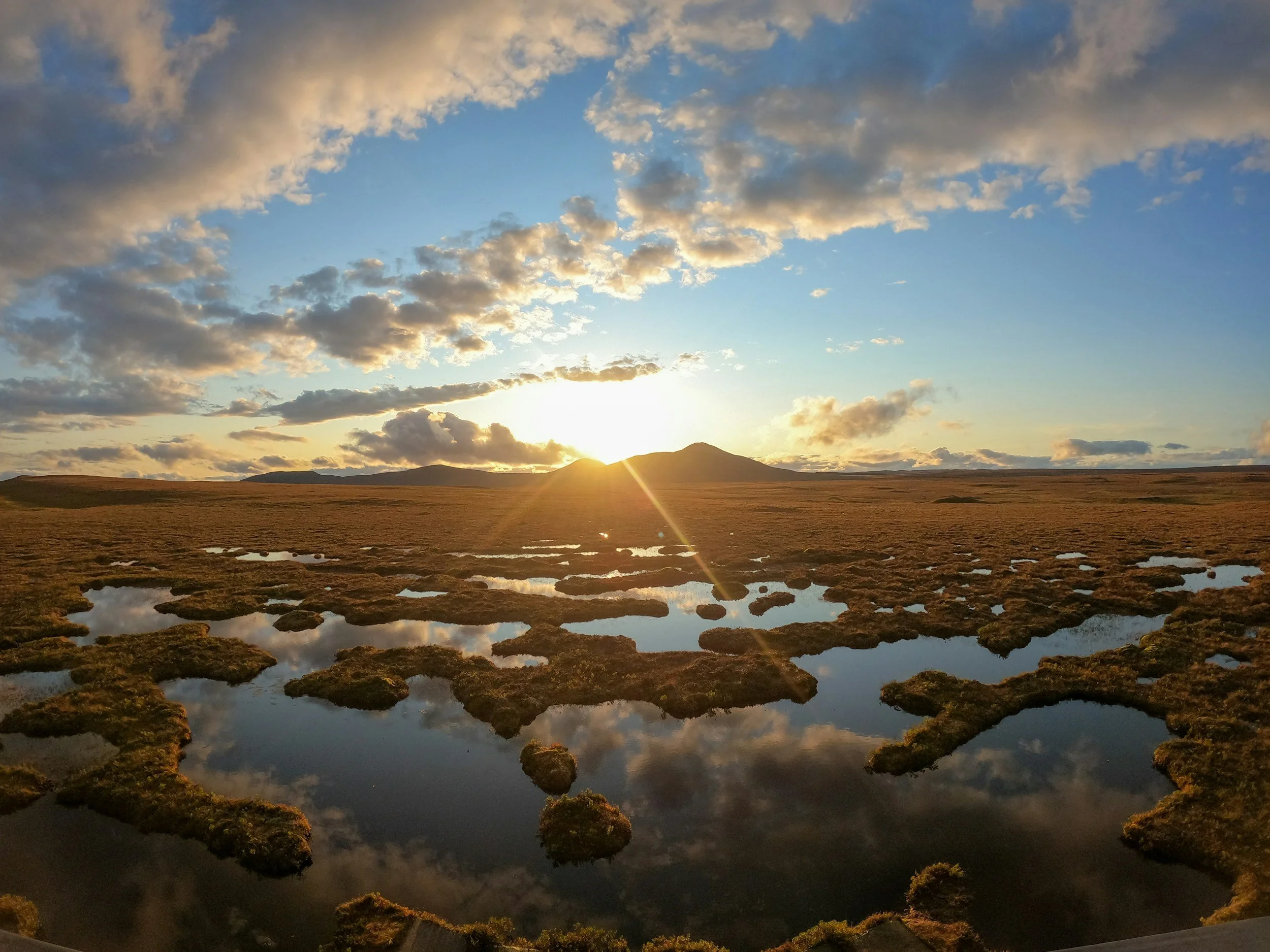
Rewetting the Peatlands of Islay — Whisky and Wildlife Aligned
Read more: https://www.rspb.org.uk/globalassets/downloads/documents/oya-peatland-project
On Islay, RSPB Scotland has partnered with several major whisky distillers to restore around 1,000 hectares of peatland at The Oa. Peatlands are among our most important ecosystems. When wet and intact, they lock up carbon, slow water flow, and support a suite of upland species including golden plover, curlew, hen harrier and snipe. When drained, they erode quickly and release carbon into the atmosphere.
The work includes blocking old drains, re-wetting eroded peat and rebuilding vegetation structure. It’s a long-term project but one with a big potential payoff: healthier bogs, more resilient wildlife and landscapes better able to cope with extreme weather.
Photography Project: “The Living Bog”
Aim: Convey the texture, colour and mood of healthy peatland in winter.
What to photograph:
Bog pools reflecting low sunlight.
Sphagnum moss close-ups — the reds, greens and golds are striking in winter.
Birds hunting or feeding over peat: harriers, plover, pipits.
How to approach it:
Stick to paths or firm ground — peat is easily damaged.
Work with weather. Mist, drizzle and backlit rain suit these uplands.
Settle in one spot and wait for movement rather than wandering widely.
Use long lenses for birds, keeping a respectful distance on open ground.

Wildlife Rescue Under Strain — Cleethorpes’ Difficult Year
Read more: https://www.gigrimsby.co.uk/news/cleethorpes-wildlife-rescue-expansion
Cleethorpes Wildlife Rescue in Lincolnshire has announced plans to expand into a larger base after their busiest year on record. They spent long stretches at full capacity, turning animals away simply because they had nowhere left to house them. Their caseload includes foxes hit by cars, hedgehogs caught in netting and seabirds injured by fishing line or fencing — including a greater black-backed gull that required the fire service to cut it free.
What this story highlights is the unseen frontline of wildlife conservation. Rescue centres don’t solve the root causes, but they care for individuals who are often victims of human activity. Their work also reveals patterns: where hazards occur, which species are most affected, and what simple actions at community level could prevent many injuries.
Photography Project: “When Wildlife Meets the Everyday”
Aim: Show the point where wildlife intersects with human environments.
What to photograph:
Urban foxes at dawn, gulls on rooftops, songbirds feeding in car parks.
Safe, ethical images of hazards: discarded line, broken fencing, litter traps (without showing injured wildlife).
Signs of coexistence — a blackbird nesting near a back door, a fox trail across a playing field.
How to approach it:
Never approach an injured animal — contact your local rescue instead.
Work early or late when urban wildlife is at its calmest.
Use long lenses to avoid approaching too closely.
Treat the city as habitat. Look for the ecological stories happening in plain sight.
Bringing it Together
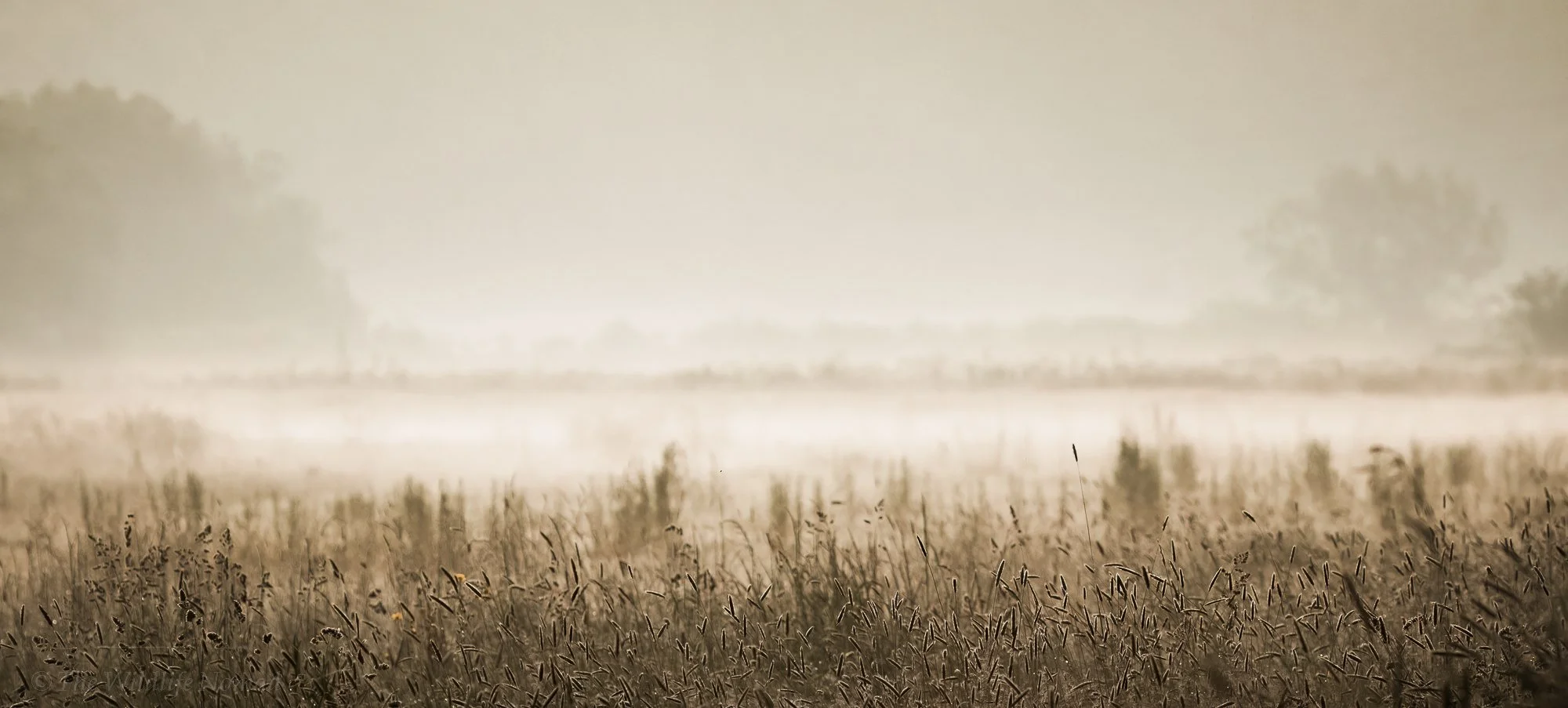
Across the UK, November’s stories share a common thread: habitat matters. Restore a river edge and a mammal returns. Hold on to a tiny meadow and dozens of rare species endure. Rewet a peatland and a whole landscape becomes more resilient. Support a wildlife rescue and individual animals get a second chance.
For photographers, the lesson is equally clear. The most meaningful images often come not from chasing the rarest species, but from paying quiet attention to places — the margins, the corners, the overlooked patches of land where wildlife still finds room.
Similar Blog Articles
UK Wildlife News October ‘25: Otter Rescue, Arun Valley Wetlands, Avian Flu
What Ethical Wildlife Photography Really Means: A Fieldcraft Guide for Respectful Photographers
How to Start Wildlife Photography: A Beginner’s Guide to Ethical Fieldcraft & First Shots