Learn to Read the Landscape and Find More Wildlife

“I’m Craig, The Wildlife Nomad. I use fieldcraft, animal behaviour and the clues wildlife leaves behind to understand how animals use the British landscape. I’ll show you how to recognise those patterns, predict where wildlife is likely to appear, and photograph or observe it without disturbing it.”
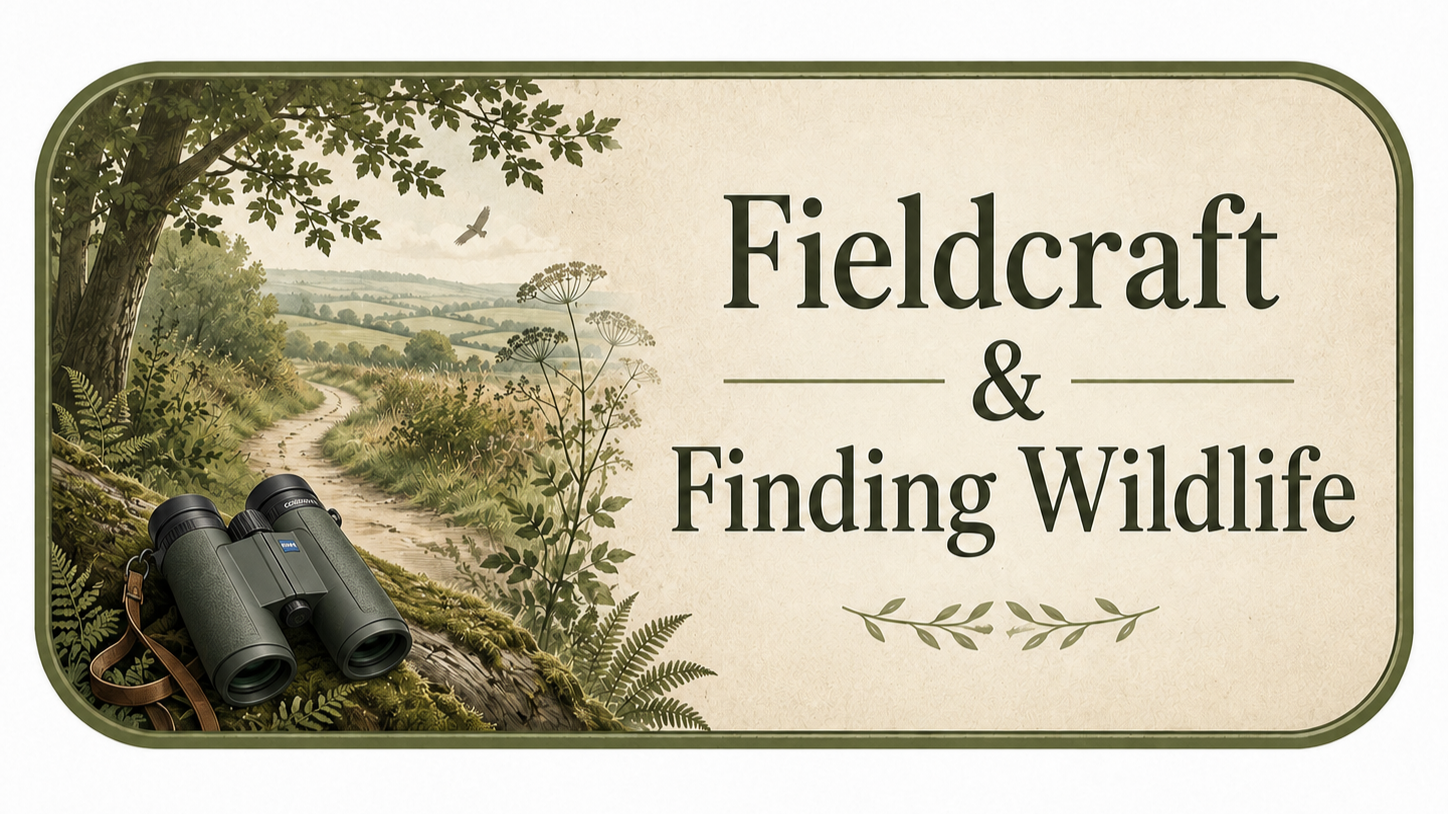
Learn how to read paths, rides, field edges, waterways and other landscape features, understand how animals move through them, and choose places where wildlife is more likely to appear naturally.
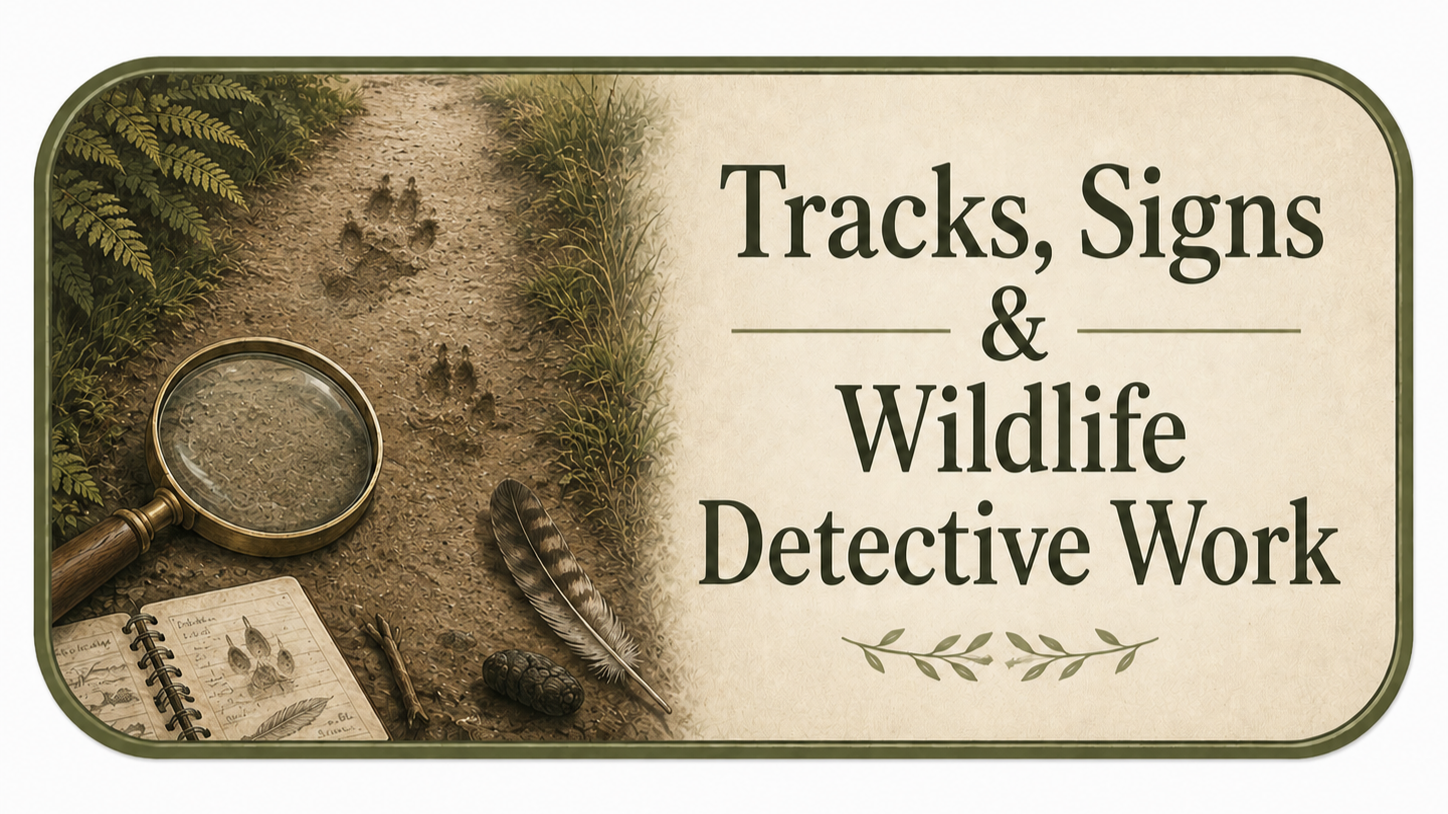
Learn to interpret footprints, scat, feeding remains, feathers, trails and other field signs, and use multiple pieces of evidence to build a more reliable picture of which animals are present and what they are doing.
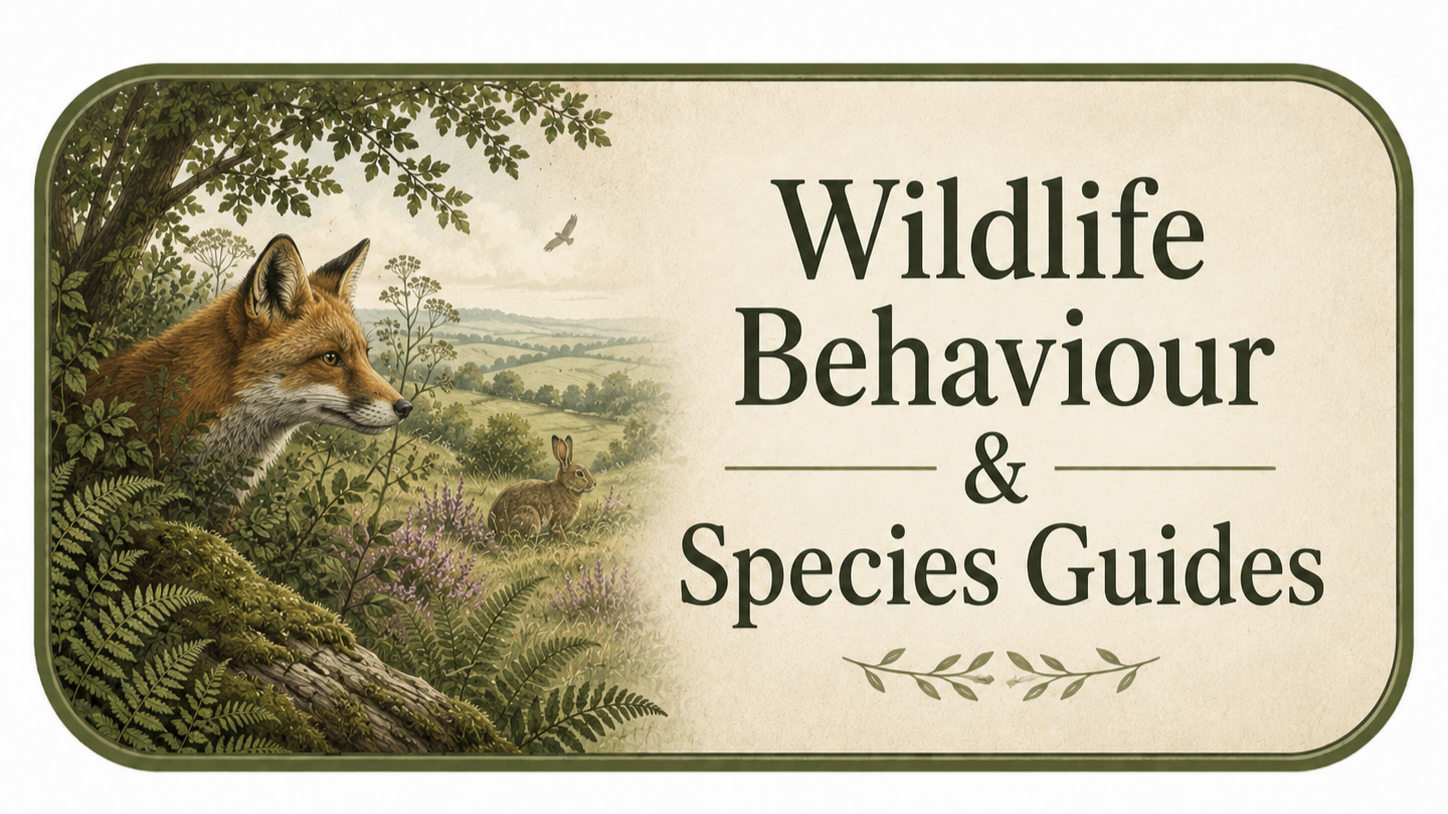
Explore British mammals and other wildlife through their behaviour, ecology, seasonal activity and habitat use, with practical guides designed to help you find, recognise and better understand the animals you encounter.
Practical advice on wildlife photography, binoculars, cameras and trail cameras, with an emphasis on using equipment to ethically observe natural behaviour rather than simply getting closer to wildlife.
Wildlife Isn’t Randomly Distributed Across the Landscape
Wildlife may sometimes seem unpredictable, but animals rarely move through a landscape without reason. Food, water, shelter, safety, weather, season and disturbance all influence where animals spend their time and how they travel between places. Paths, woodland edges, hedgerows, streams, field margins and changes in habitat can funnel that movement into surprisingly predictable patterns.
The clues are there if you learn how to read them.
Tracks, scat, feeding remains, feathers, trails and other field signs can tell you which animals are present. Look beyond the individual sign, however, and you can begin to understand how an animal is using the wider landscape, why it chose that particular place and where it might go next.
That is the fieldcraft I explore throughout The Wildlife Nomad: combining tracks and signs, animal behaviour, habitat, weather and careful observation to make better decisions about where and when to look.
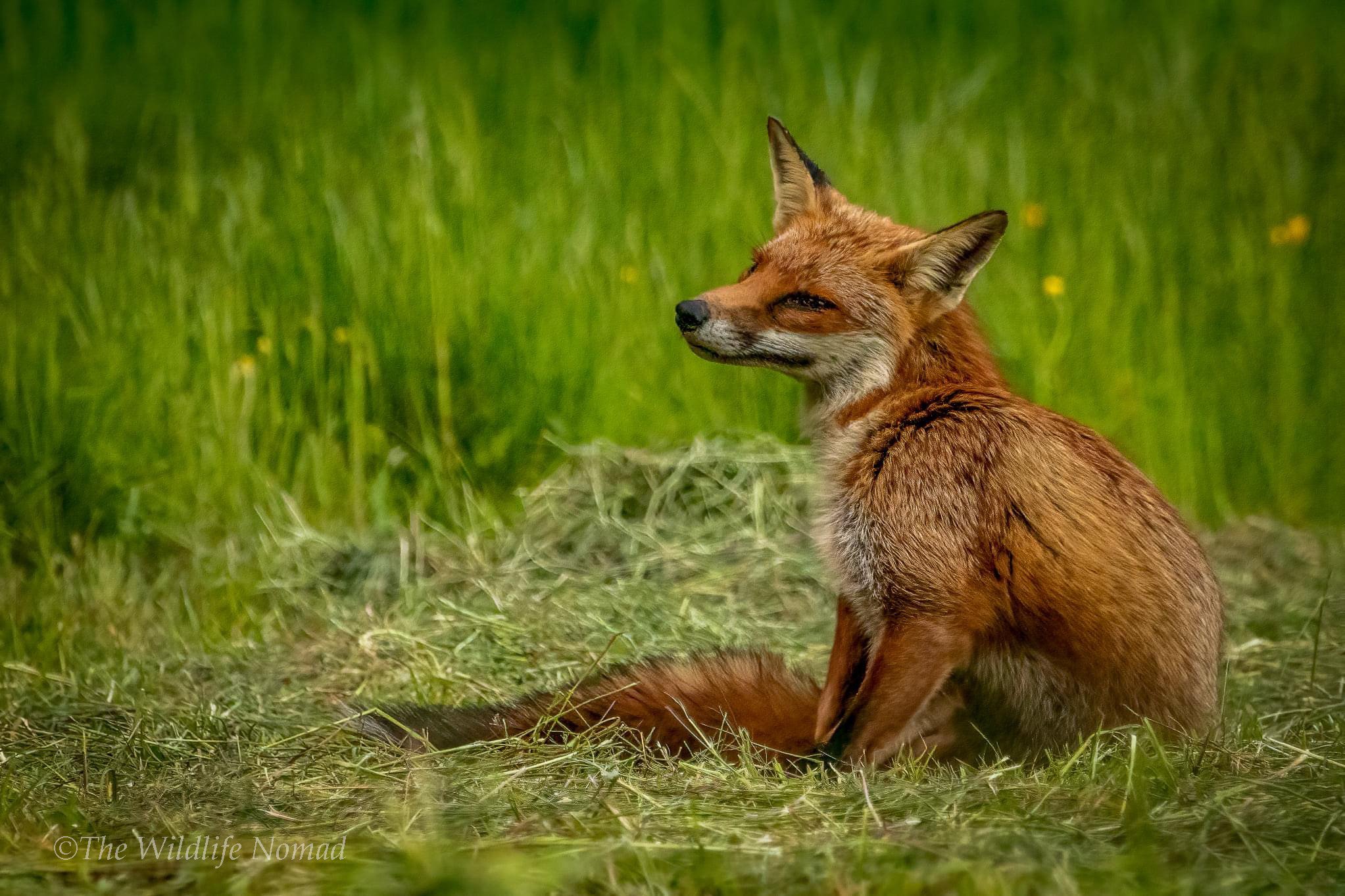
Whether you are searching for otter footprints beside a river, trying to understand why a fox repeatedly follows one woodland edge, or choosing where to wait for deer at dusk, the principle is the same:
Don’t just look for wildlife. Learn to read the landscape and anticipate where wildlife is likely to appear.