Tracks, Signs & Wildlife Detective Work
Tracks and signs are the evidence wildlife leaves behind when the animal itself has disappeared.
A footprint pressed into mud, a feeding remain beneath a tree, a line of disturbed vegetation, a dropping on a path or a few plucked feathers can reveal far more than simply which species passed through. Read carefully, these clues can begin to tell you how an animal was moving, what it was doing, where it came from and, sometimes, what happened next.
This section is about learning to interpret that evidence without jumping too quickly to conclusions. You’ll find practical guides to footprints, droppings, feeding signs, kill sites, trails, burrows and other field signs, alongside the reasoning needed to separate observation from interpretation.
The aim is not simply to identify individual signs. It is to build a picture from several pieces of evidence and understand how they relate to the surrounding habitat.
Once you start reading the ground in this way, an apparently quiet woodland path, riverbank or field edge becomes a record of the animals that have been using it.
Start Here: Track & Sign Fundamentals
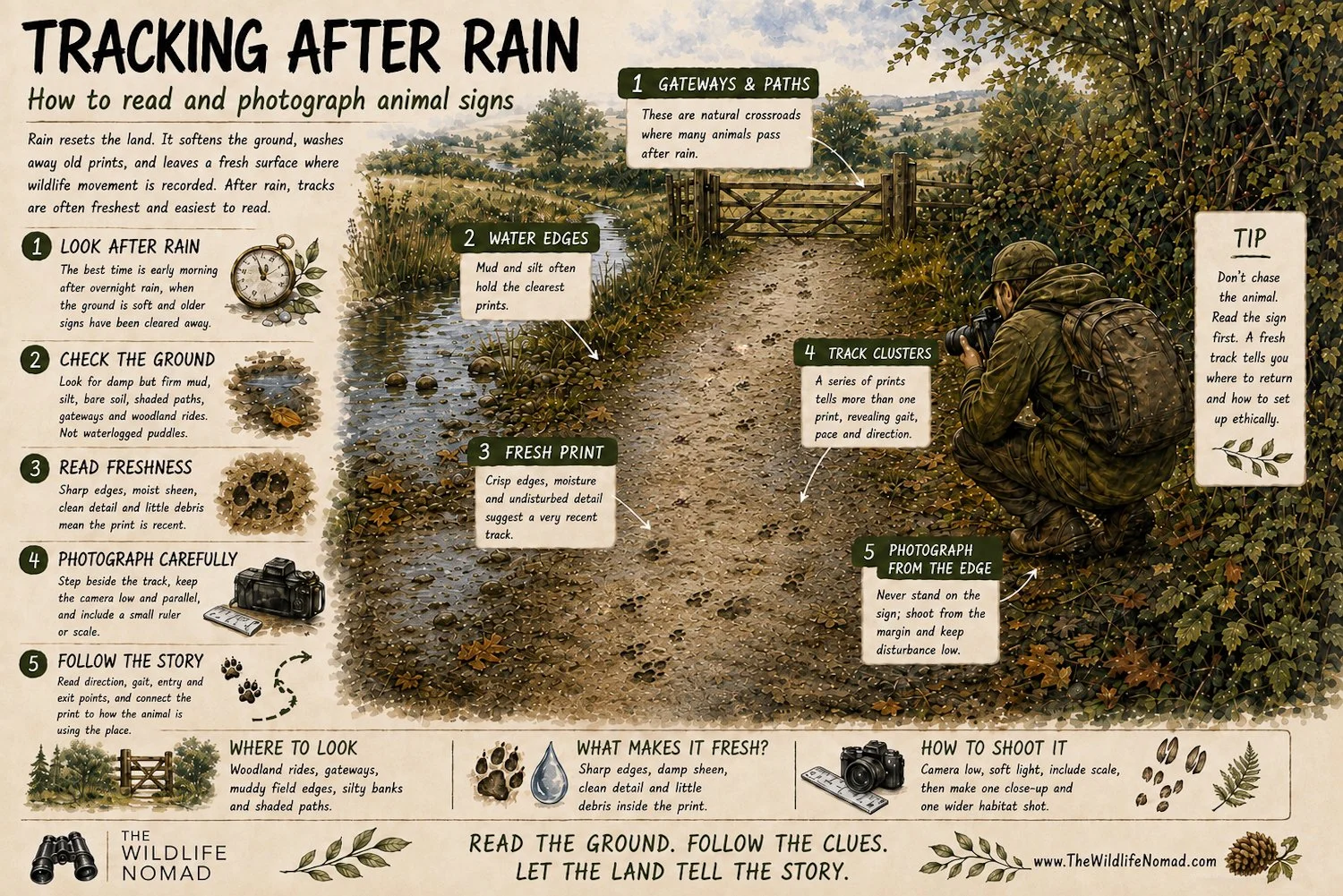
Rain turns paths and muddy ground into a record of recent wildlife activity. Learn where to look, how to read fresh tracks and how to photograph the evidence clearly.
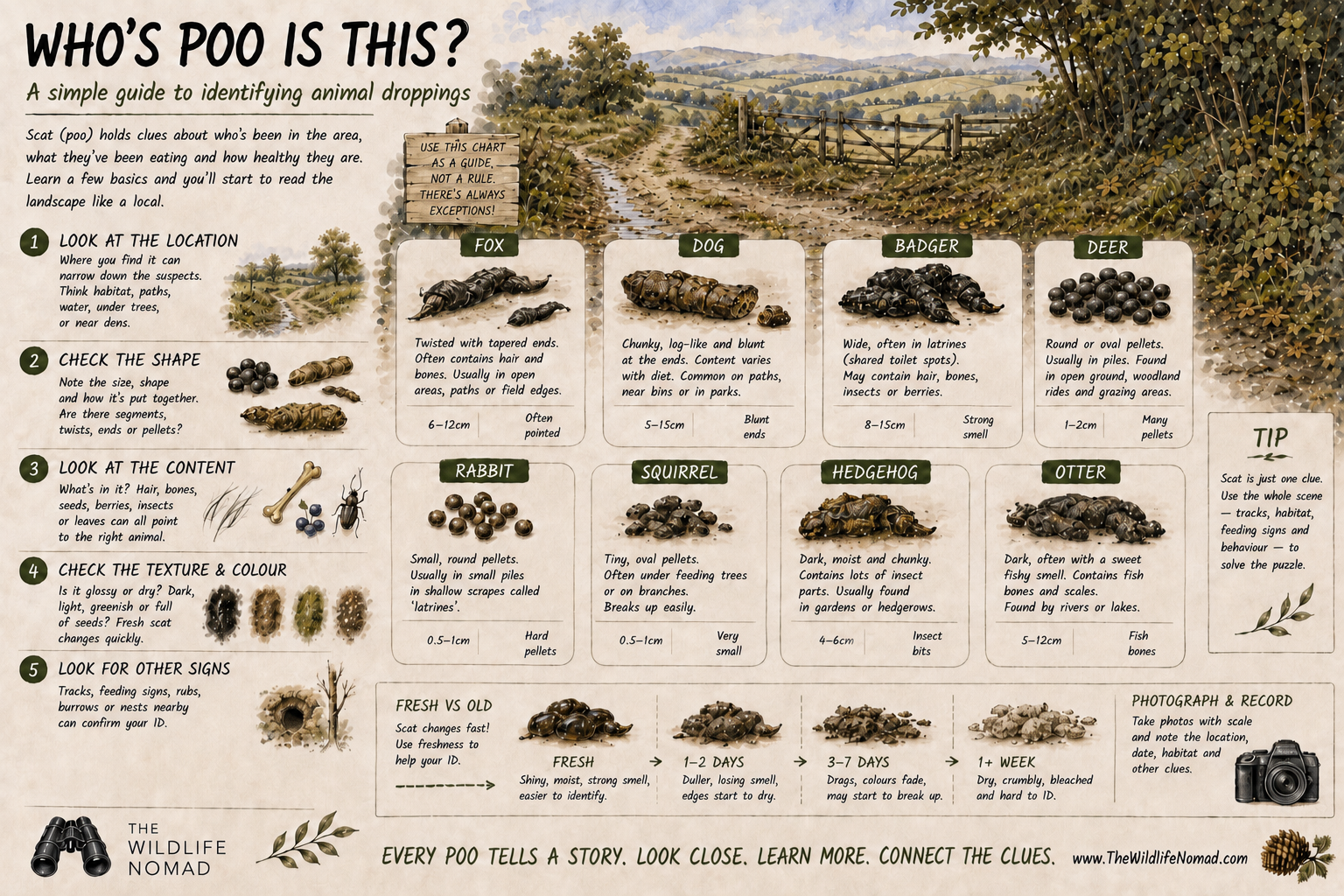
Animal droppings can reveal far more than just which species left them. Learn the POOPS method and turn an overlooked field sign into useful evidence of wildlife activity.
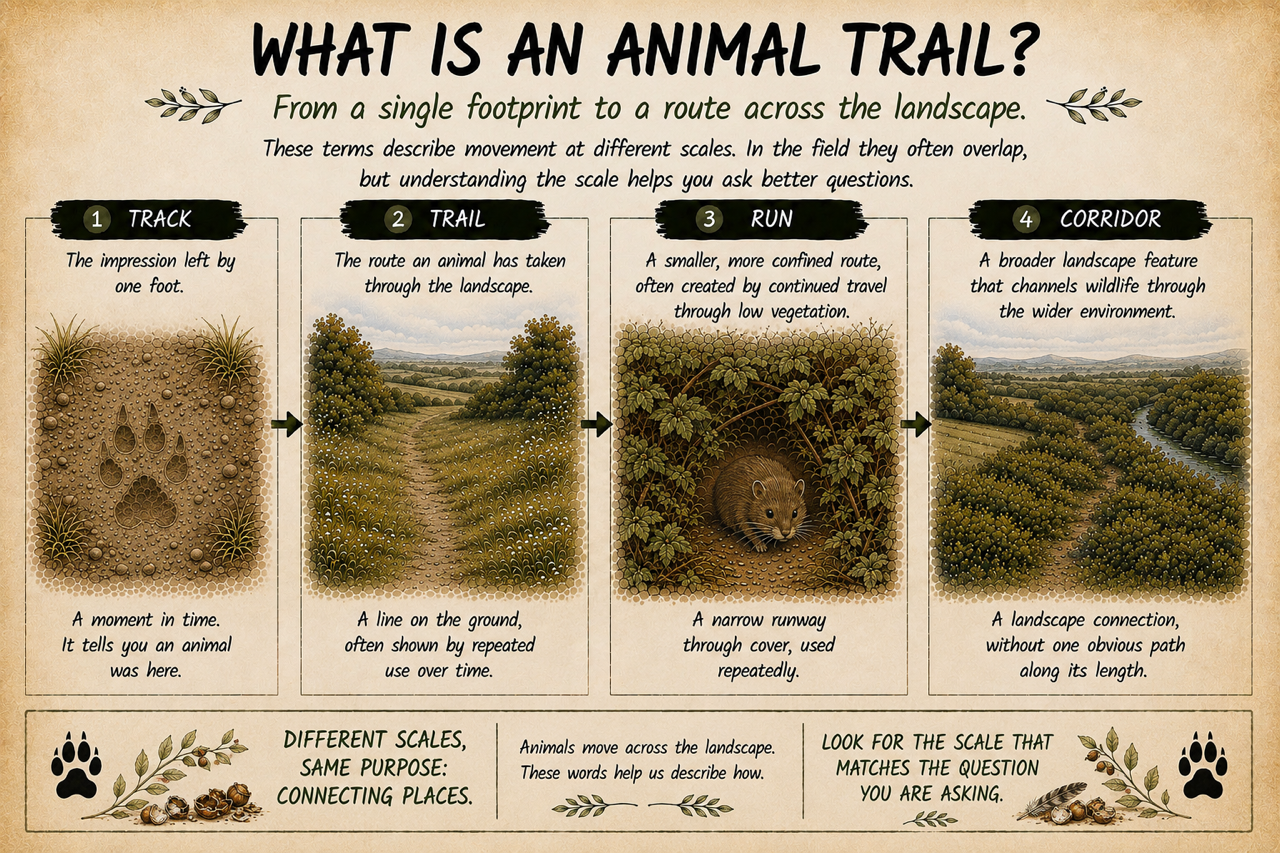
Learn how to find and read animal trails, wildlife pathways and mammal runs, and use tracks, hair, feeding signs and landscape clues to interpret wildlife movement.
Reading Footprints
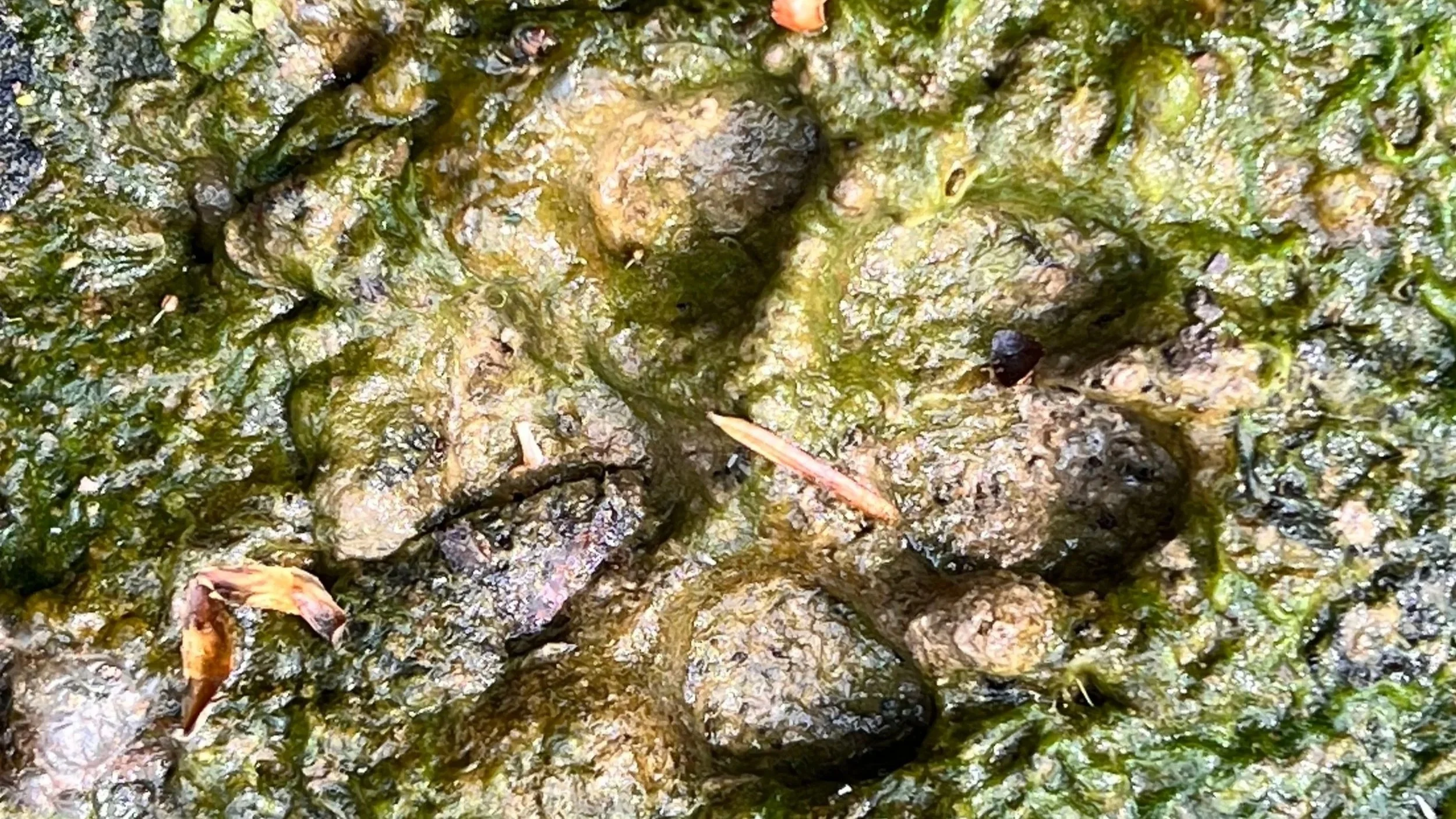
Fox and dog tracks can look deceptively similar. Learn to compare shape, size, toe position and trail pattern to separate them more reliably, and recognise when a single paw print simply isn’t enough evidence.
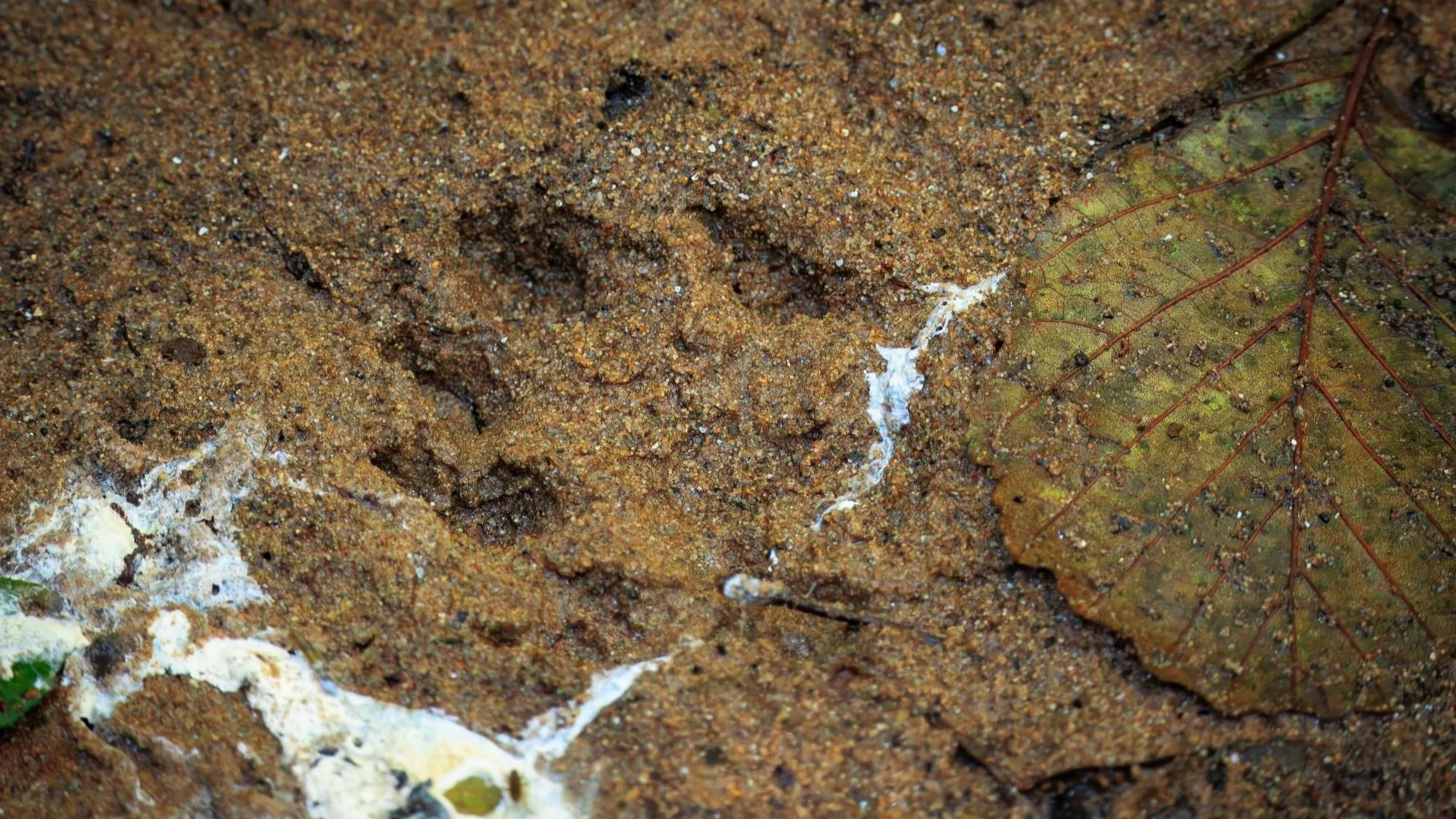
Otter footprints can be surprisingly easy to overlook or misidentify. Learn to recognise their shape, five toes, webbing and typical trail patterns, and use surrounding signs to build a more confident identification.
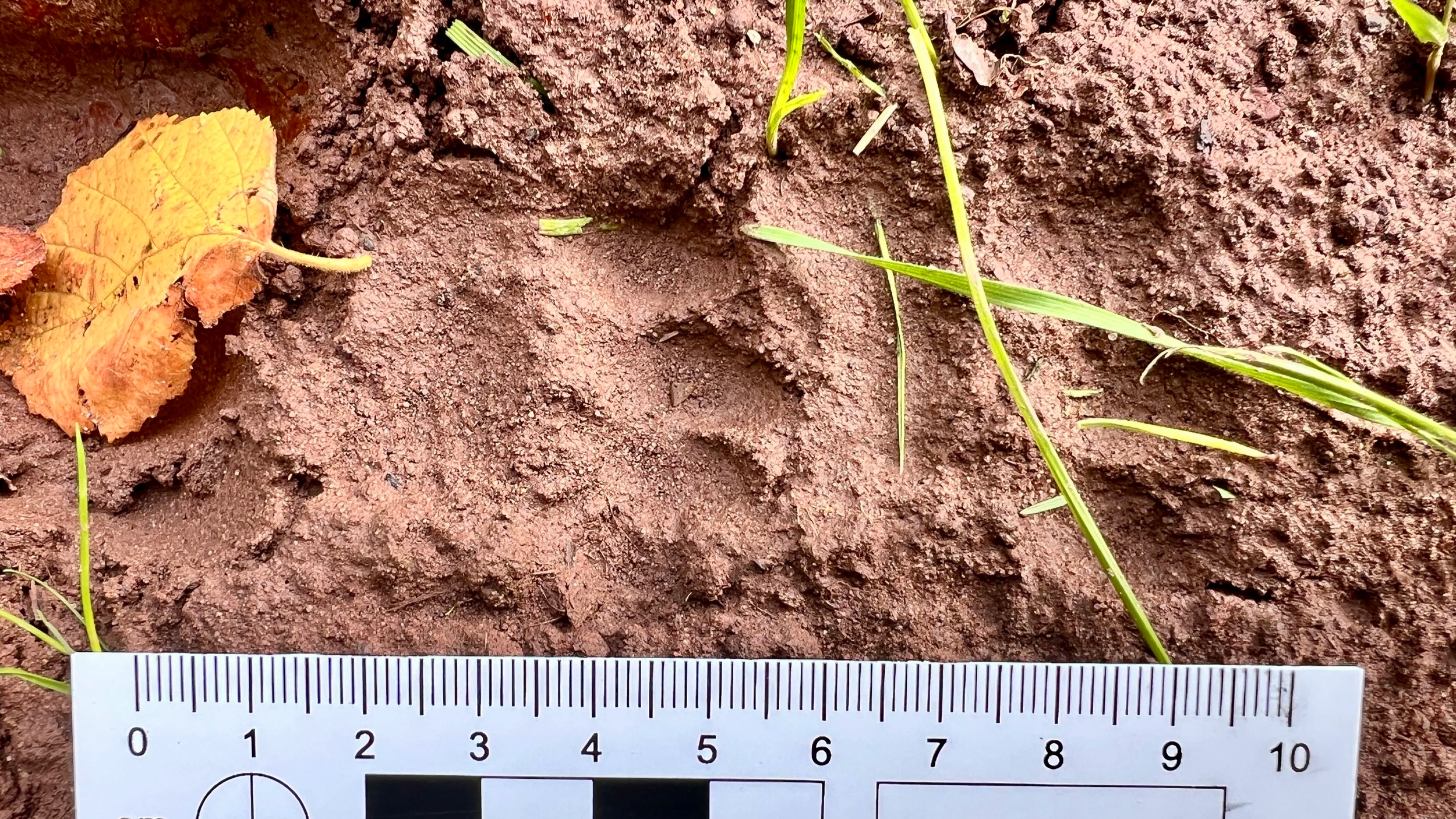
Badgers leave a rich trail of evidence across the landscape. Learn to recognise their tracks, paths, latrines, feeding signs and other clues, and use them to understand how badgers live and move through their territory.

Resting Places

Learn how to identify a badger sett, judge whether it is active, and distinguish main, annexe, subsidiary and outlier setts using field signs.
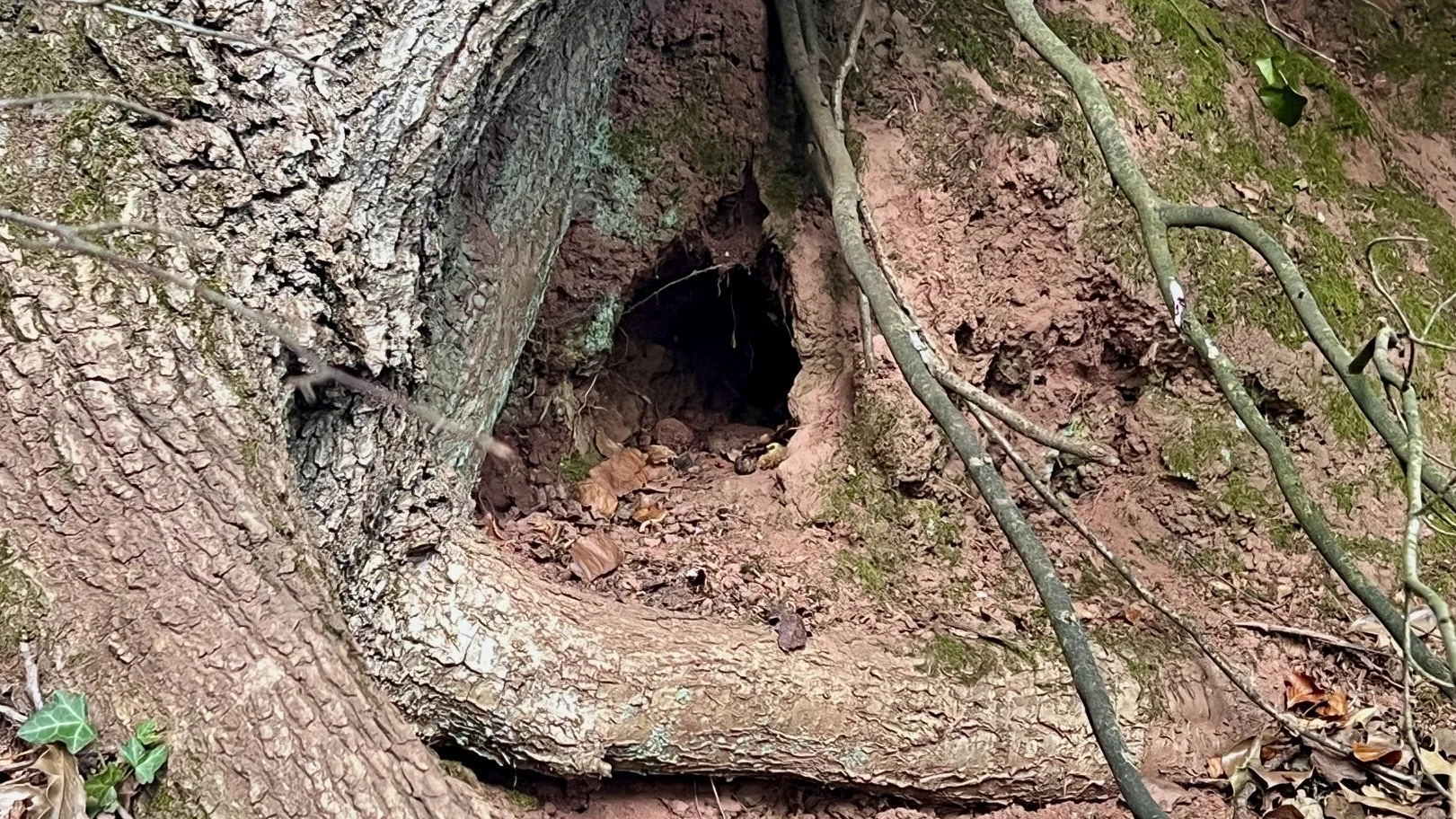
Otters can be present without ever showing themselves. Learn to recognise spraints, tracks, feeding remains and holts, and use them to understand how otters move through a river system.
Understand mammal dens, burrows and resting places in the UK, and read the tracks, entrances and other signs animals leave behind.
Feeding Signs
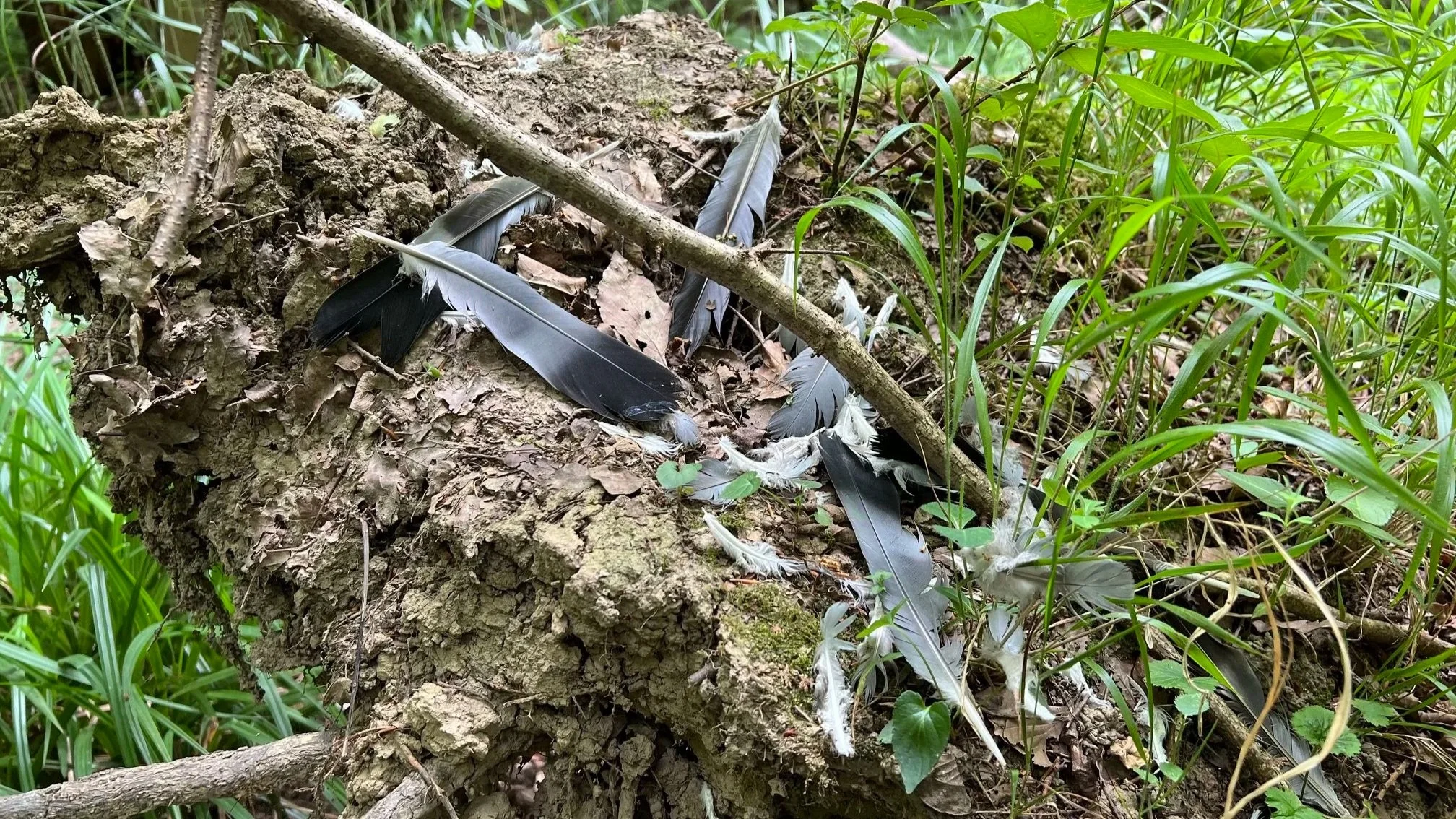
Investigate wildlife kill sites and identify clues in feathers, fur, carcasses, tracks and feeding remains to work out what happened.
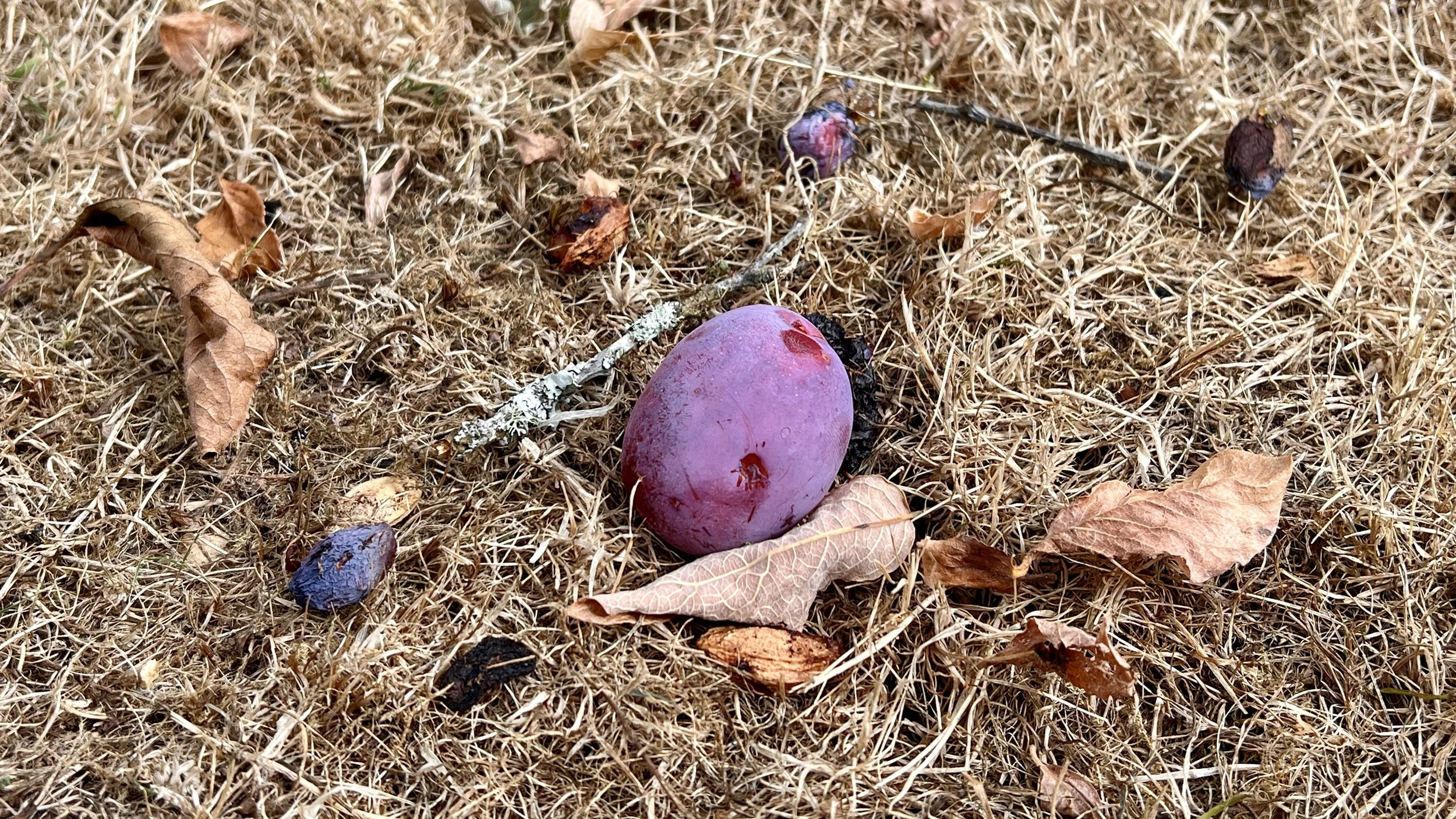
Discover why fallen fruit attracts wildlife, which animals feed on windfalls, and how to find these seasonal feeding hotspots in the UK.
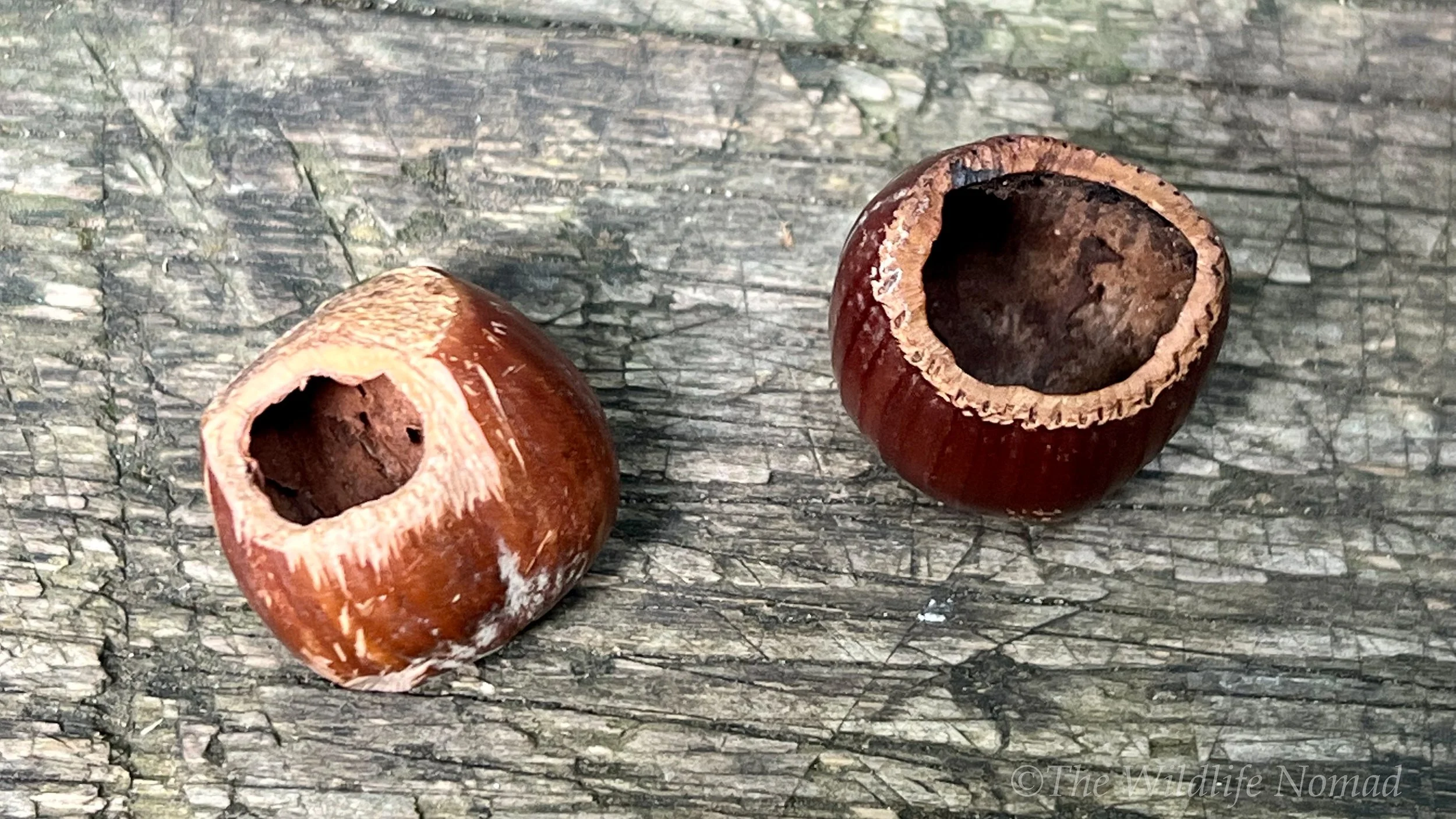
Learn how to identify UK wildlife from feeding signs, including nibbled plants, gnawed nuts, stripped bark and other clues animals leave behind.
Back to the Hubs……