
Wildlife Photography & Gear
Wildlife photography begins long before an animal enters the frame.
Camera settings and equipment matter, but neither can compensate for being in the wrong place, approaching carelessly or failing to understand what an animal is likely to do next. The strongest photographs usually come from combining reliable technique with fieldcraft: reading the landscape, recognising repeated behaviour and being ready when the opportunity finally arrives.
This hub brings together practical wildlife photography techniques, field-tested camera gear and ways of using remote cameras to learn what happens when nobody is watching. You’ll find advice on exposure, autofocus and working in difficult light, alongside honest equipment guides based on how gear performs outdoors rather than how impressive it looks on paper.
The aim is not to persuade you that you need more equipment. It is to help you choose and use the right tools when they genuinely make wildlife easier to find, observe and photograph responsibly.
Start Here: Better Wildlife Photography Begins with Fieldcraft
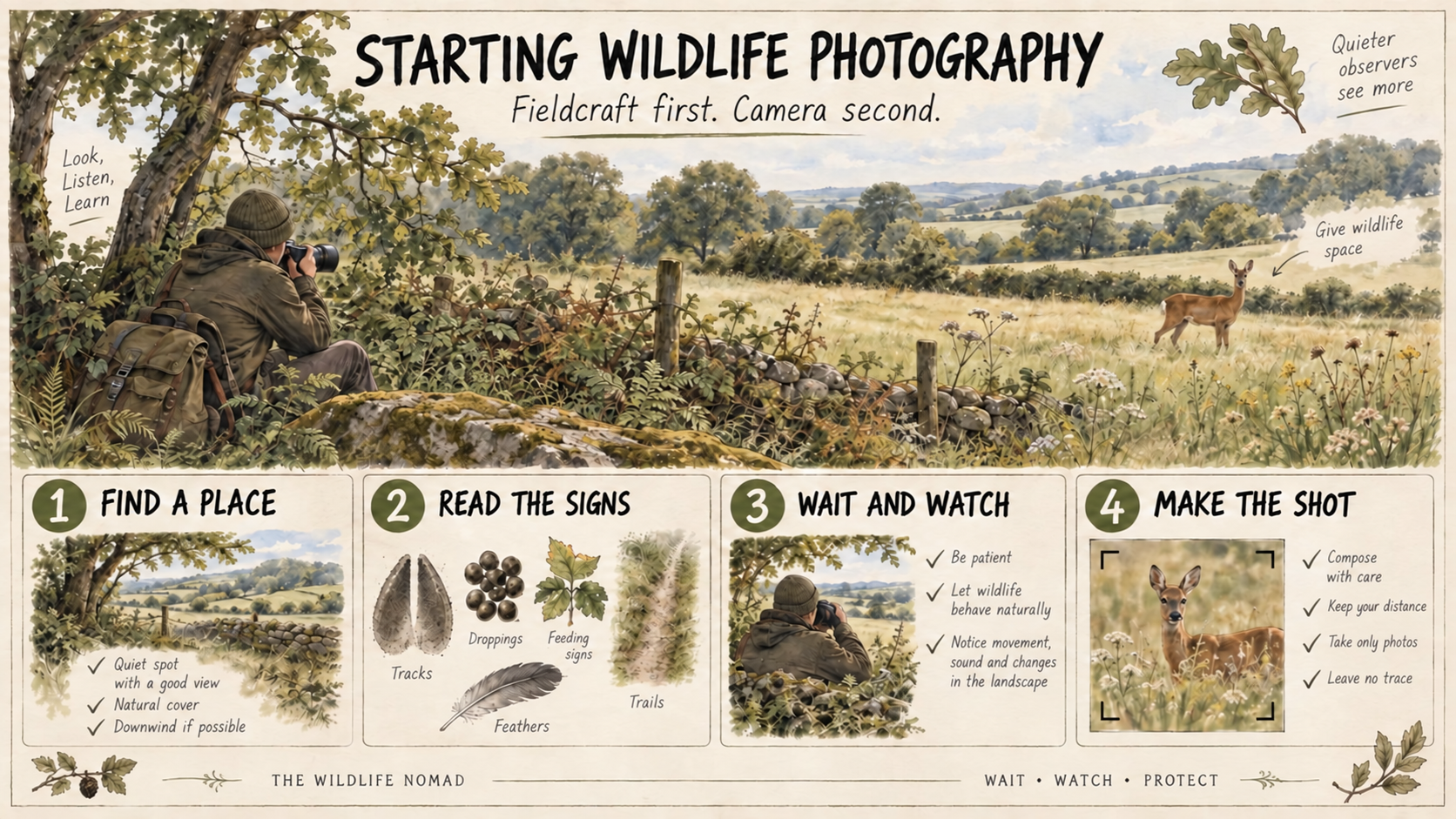
A practical introduction to finding accessible subjects, choosing essential equipment and taking your first wildlife photographs. Start with fieldcraft and animal behaviour before spending heavily on camera gear.
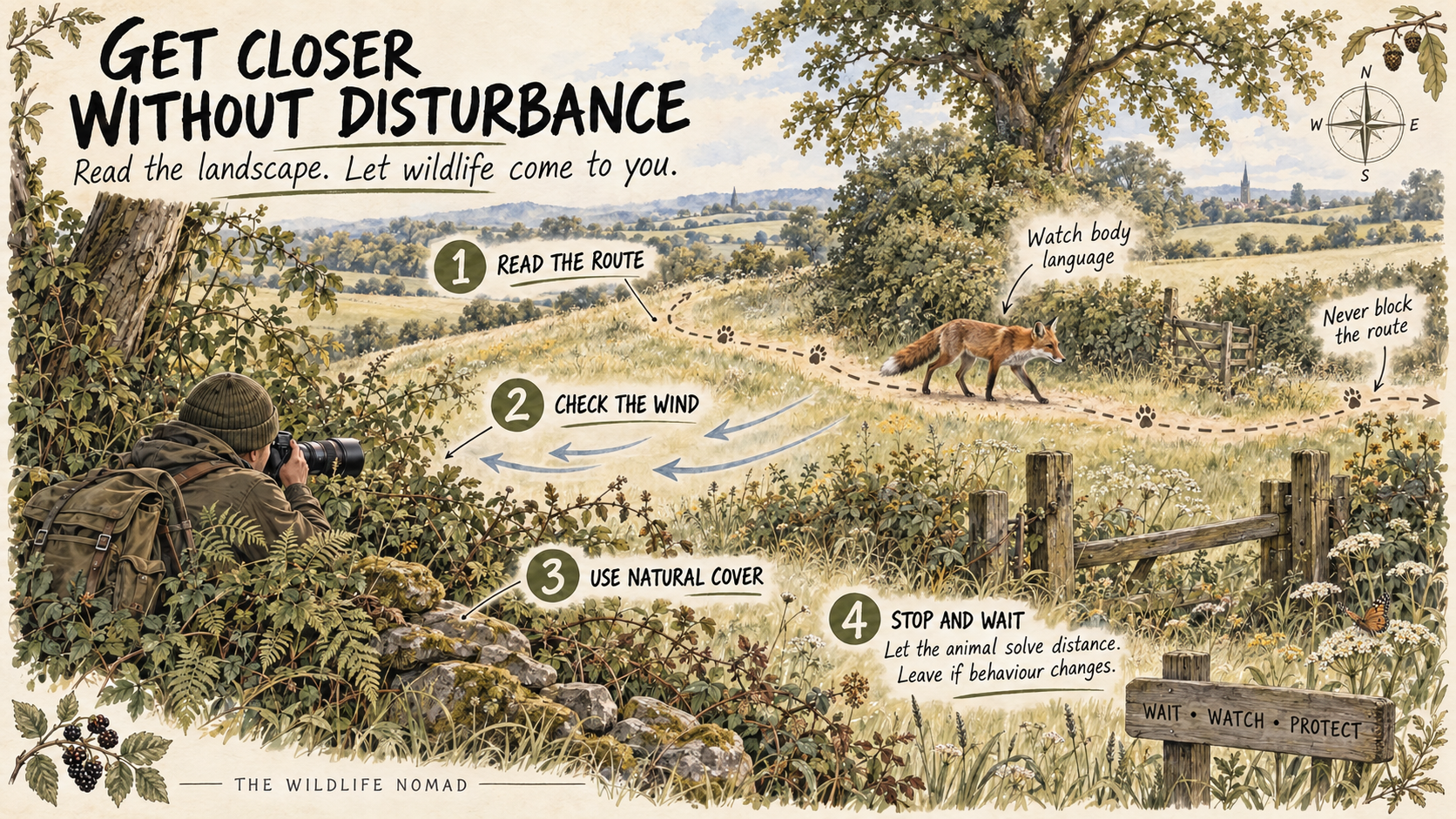
Learn why successful wildlife photography rarely begins by approaching the animal. Read routes, cover, wind and behaviour so that wildlife closes the distance naturally.
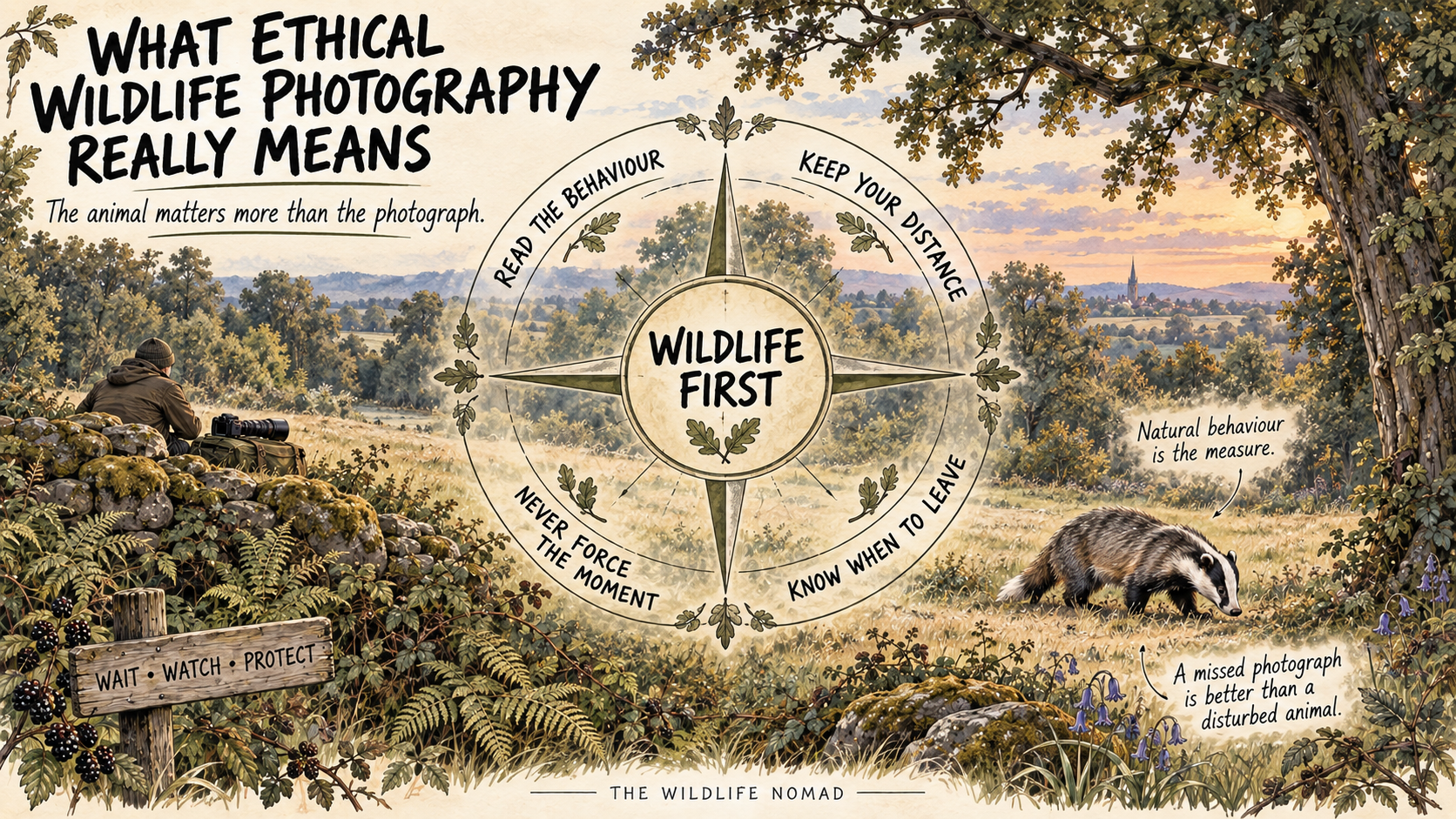
A clear guide to recognising disturbance and making better decisions around sensitive wildlife. Explore the difficult questions surrounding distance, baiting, hides, artificial light and when to abandon a photograph.
Camera Skills
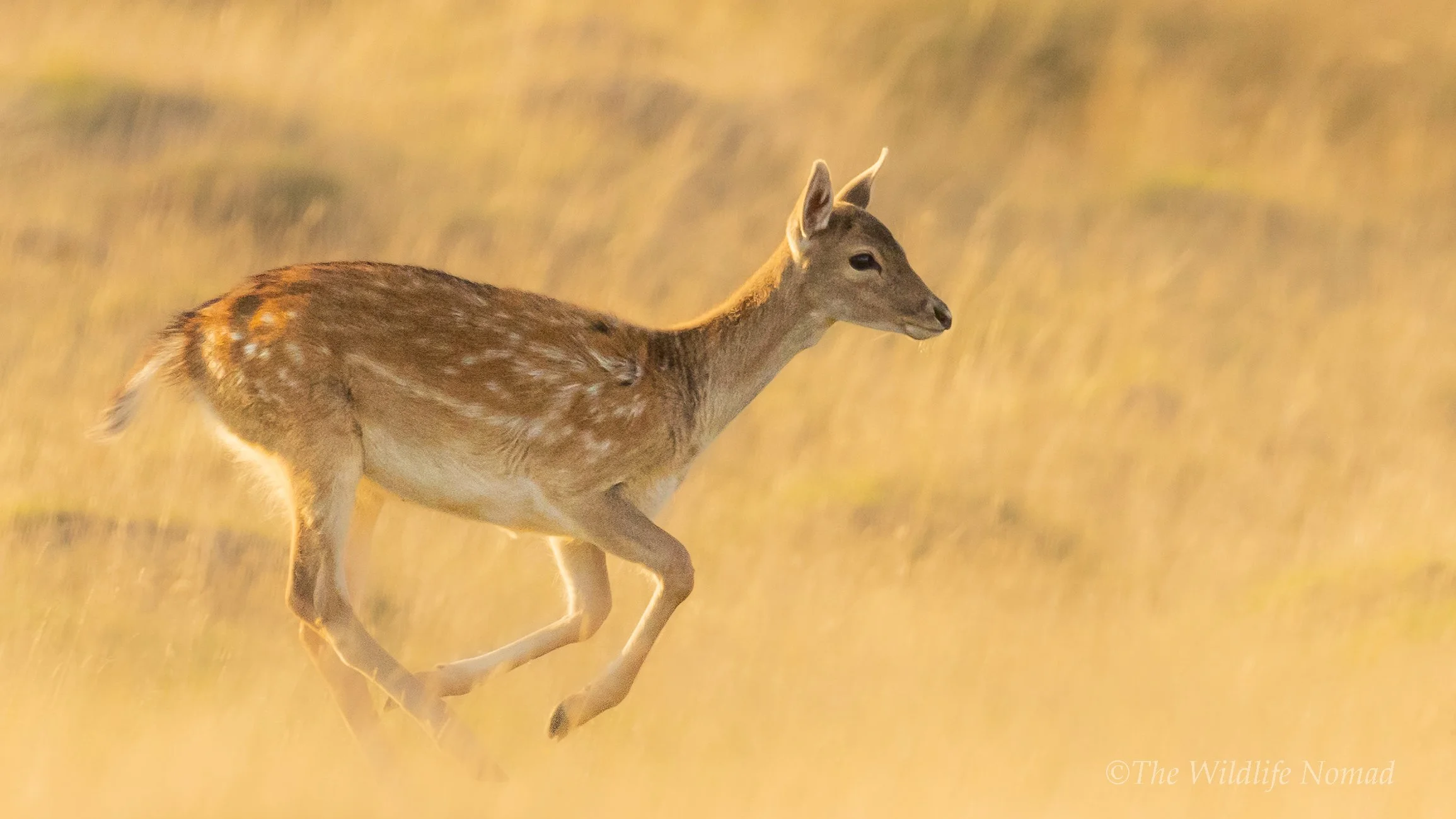
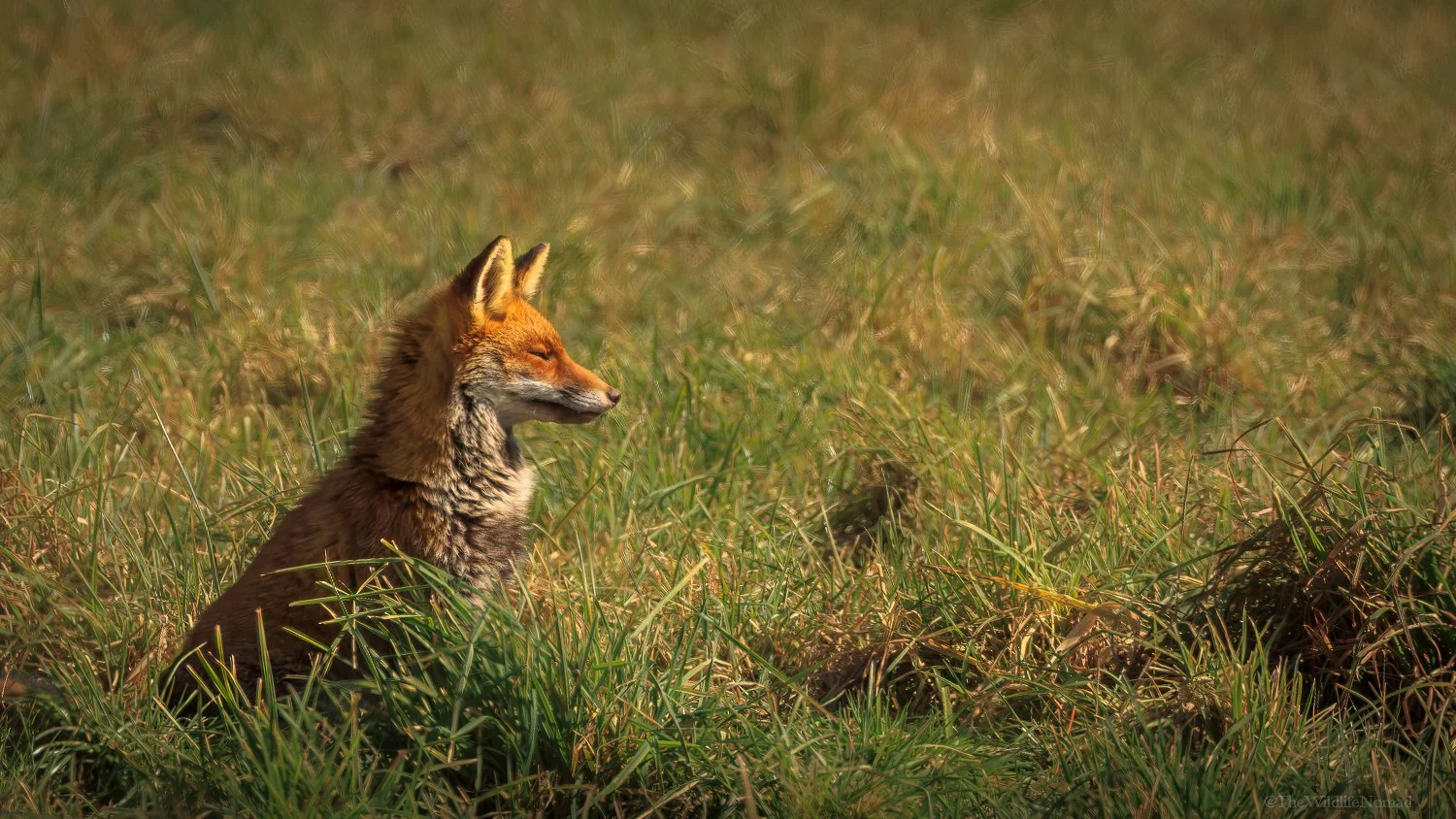
Compare Aperture Priority, Shutter Priority and Manual with Auto ISO. Learn which mode gives you dependable control when wildlife moves and the light changes without warning.
Understand how your camera measures light and why bright or dark subjects can fool it. Learn to use metering modes, exposure compensation and the histogram to retain important detail.
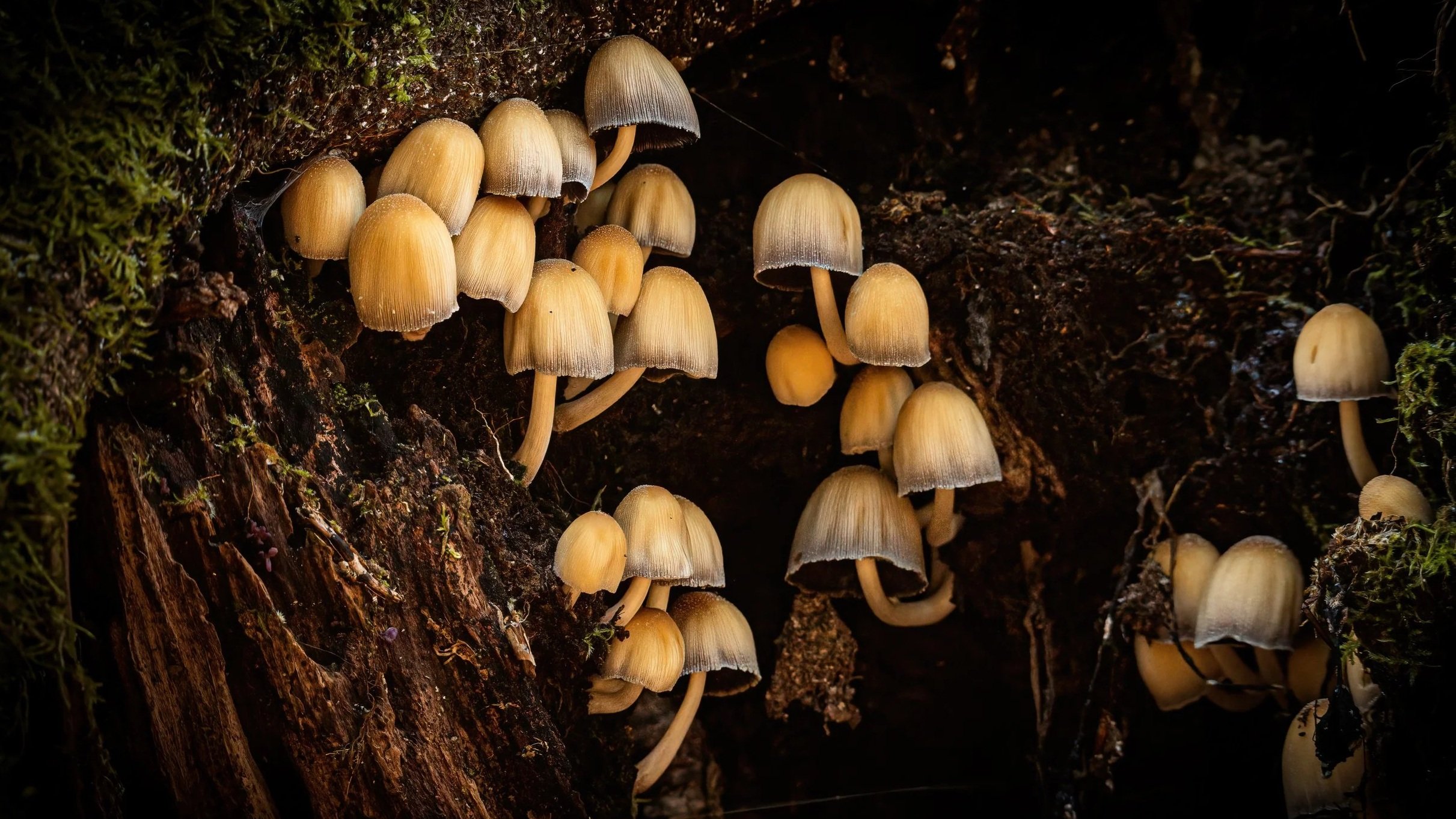
Learn how to balance shutter speed, aperture and ISO when photographing wildlife at dawn, dusk or beneath woodland cover. Make better compromises between movement, sharpness and noise when light is limited.
Gear Guides
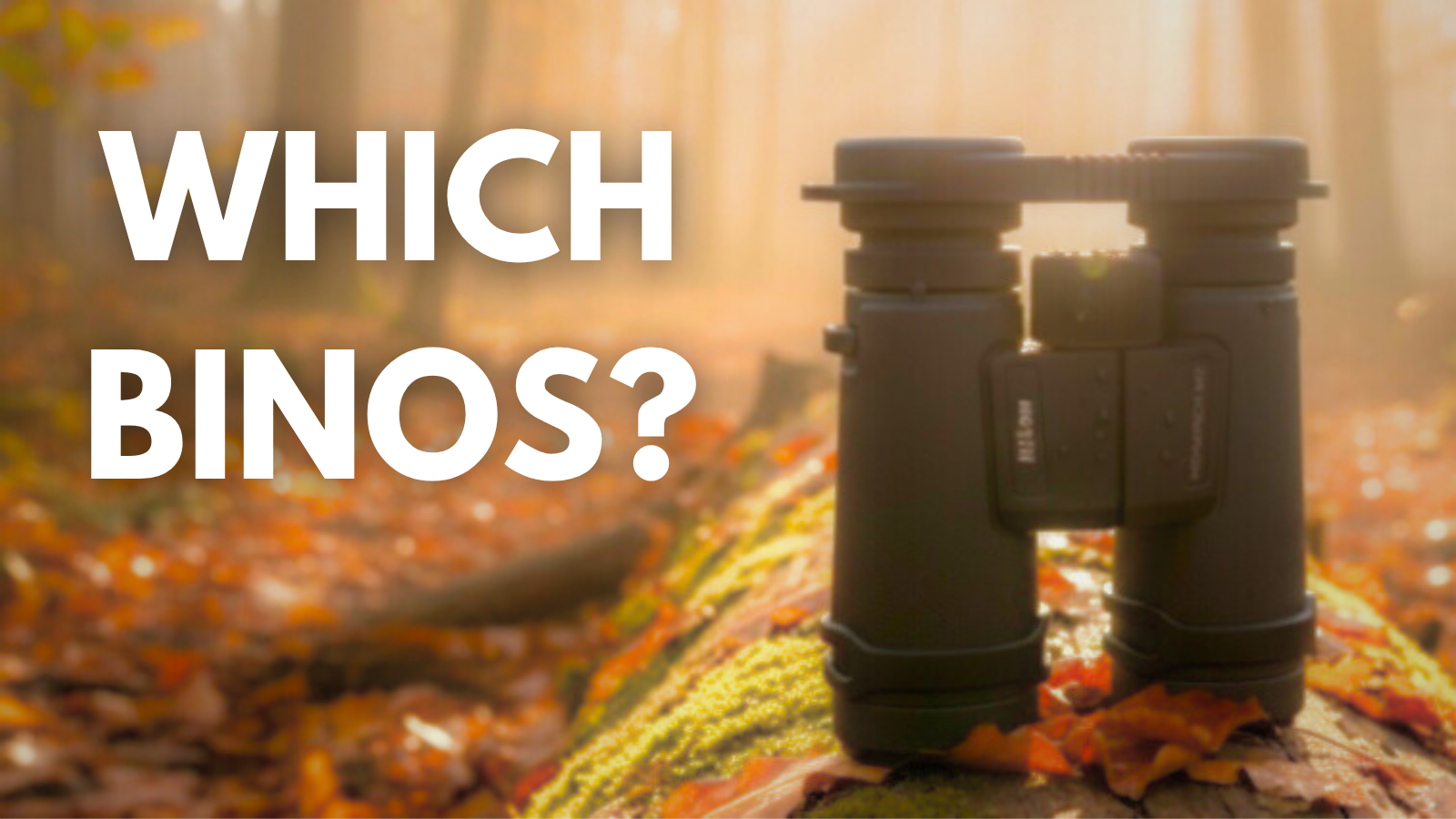
Understand magnification, field of view, optical quality and the compromises different binoculars make. Compare practical choices across several budgets and find the specification that suits how and where you watch wildlife.
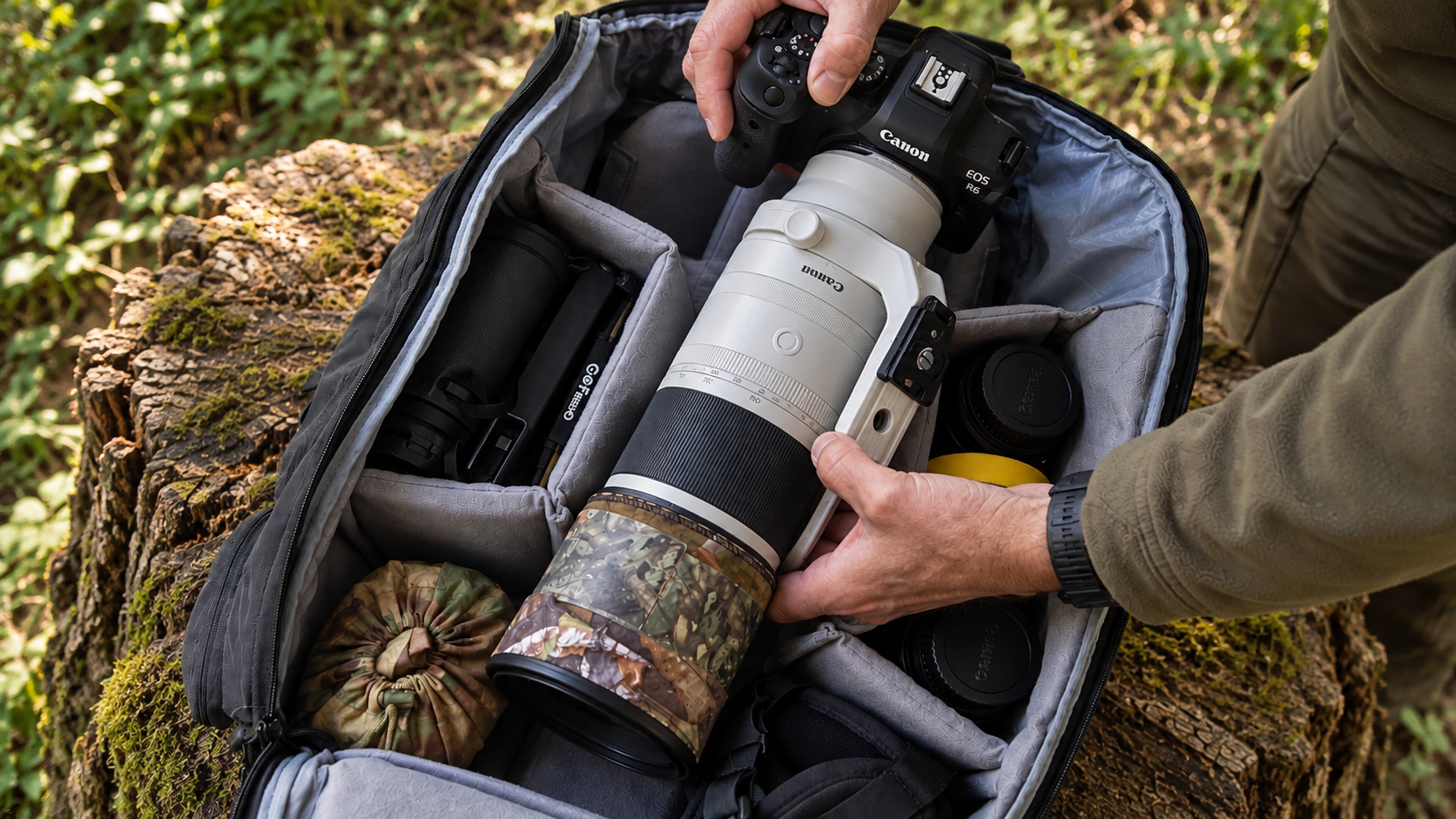
Three backpacks tested with a Canon R6, RF 200–800mm and a realistic wildlife photography load. Discover which offers the best balance of protection, usable capacity, camera access and mobility in the field.
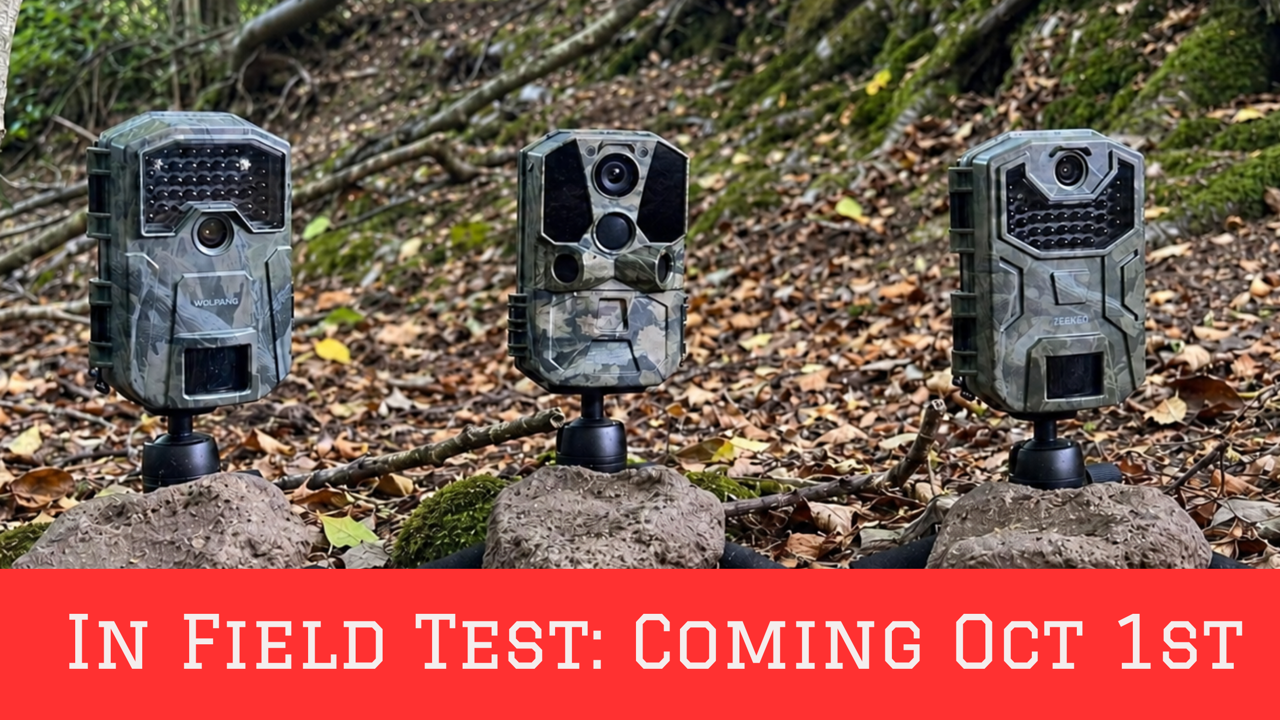
Best Trail Cameras for UK Wildlife (Coming October 1st)
Three affordable trail cameras tested under comparable field conditions across day and night. Compare trigger performance, image quality, night illumination and reliability to see which cameras genuinely earn their place in the field.
Remote Wildlife Monitoring
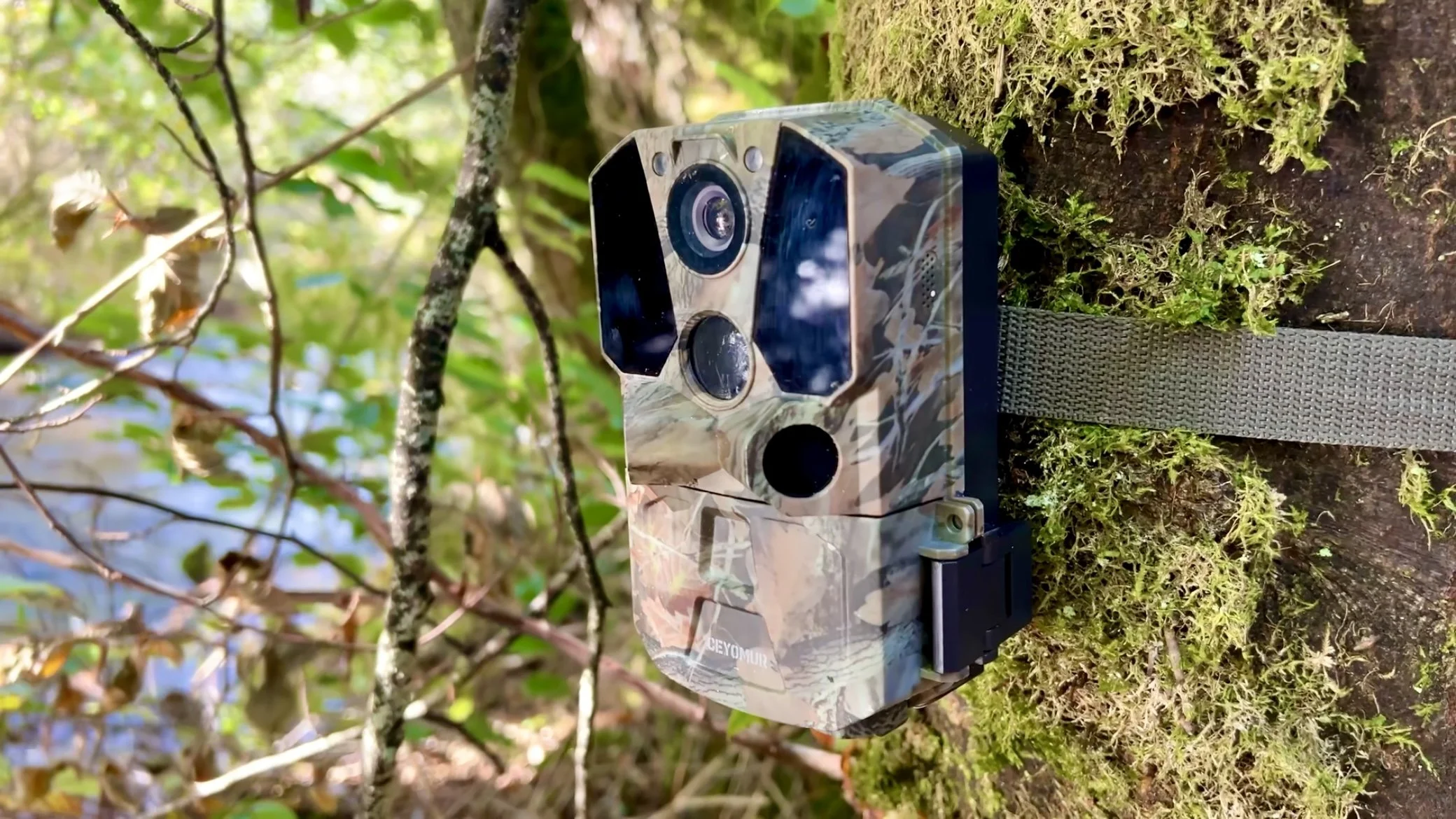
Learn how to choose a location, position your camera and avoid the setup mistakes that result in empty frames or departing animals. Use the footage to understand when, where and why wildlife moves through a landscape.
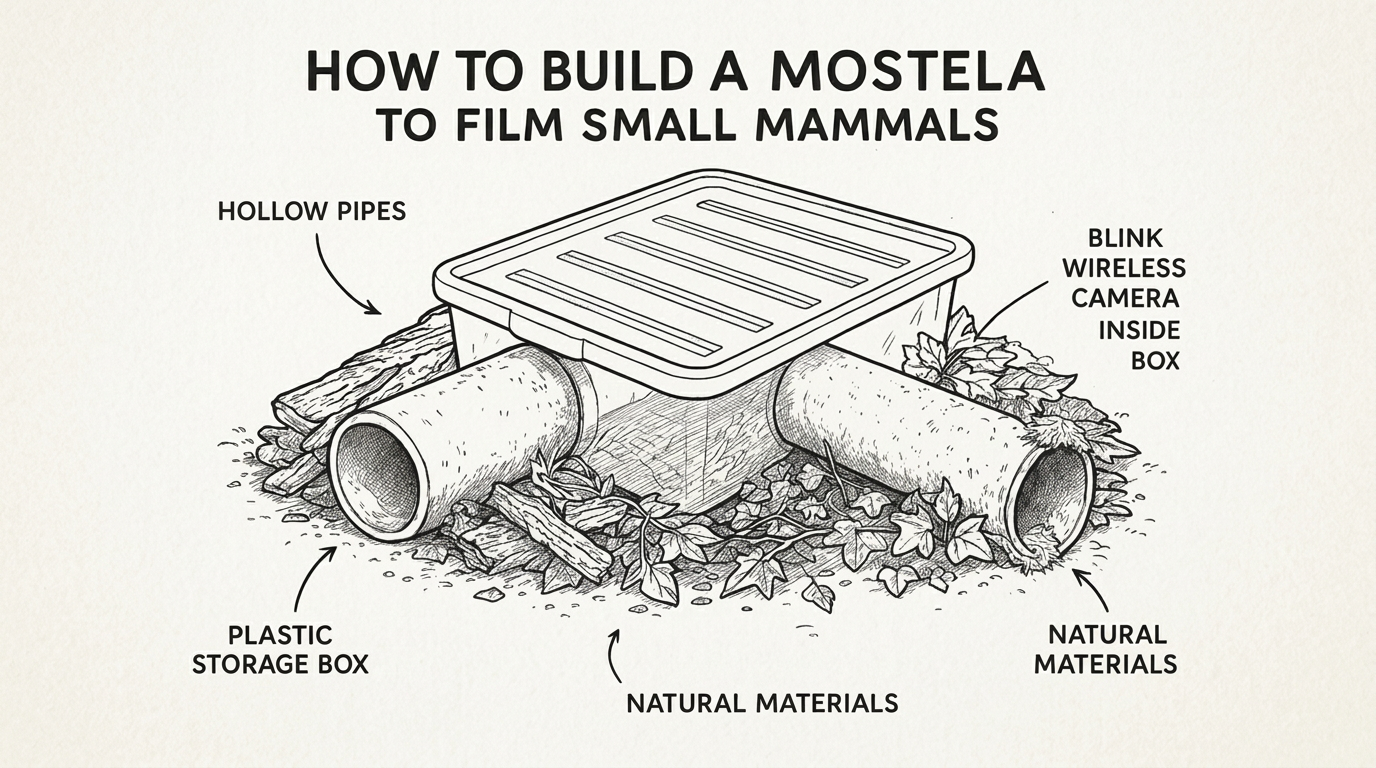
Build a simple monitoring tunnel using a wireless camera to record weasels, rodents and other small animals. Learn how the tunnel works, where to place it and how to leave it monitoring discreetly over longer periods.
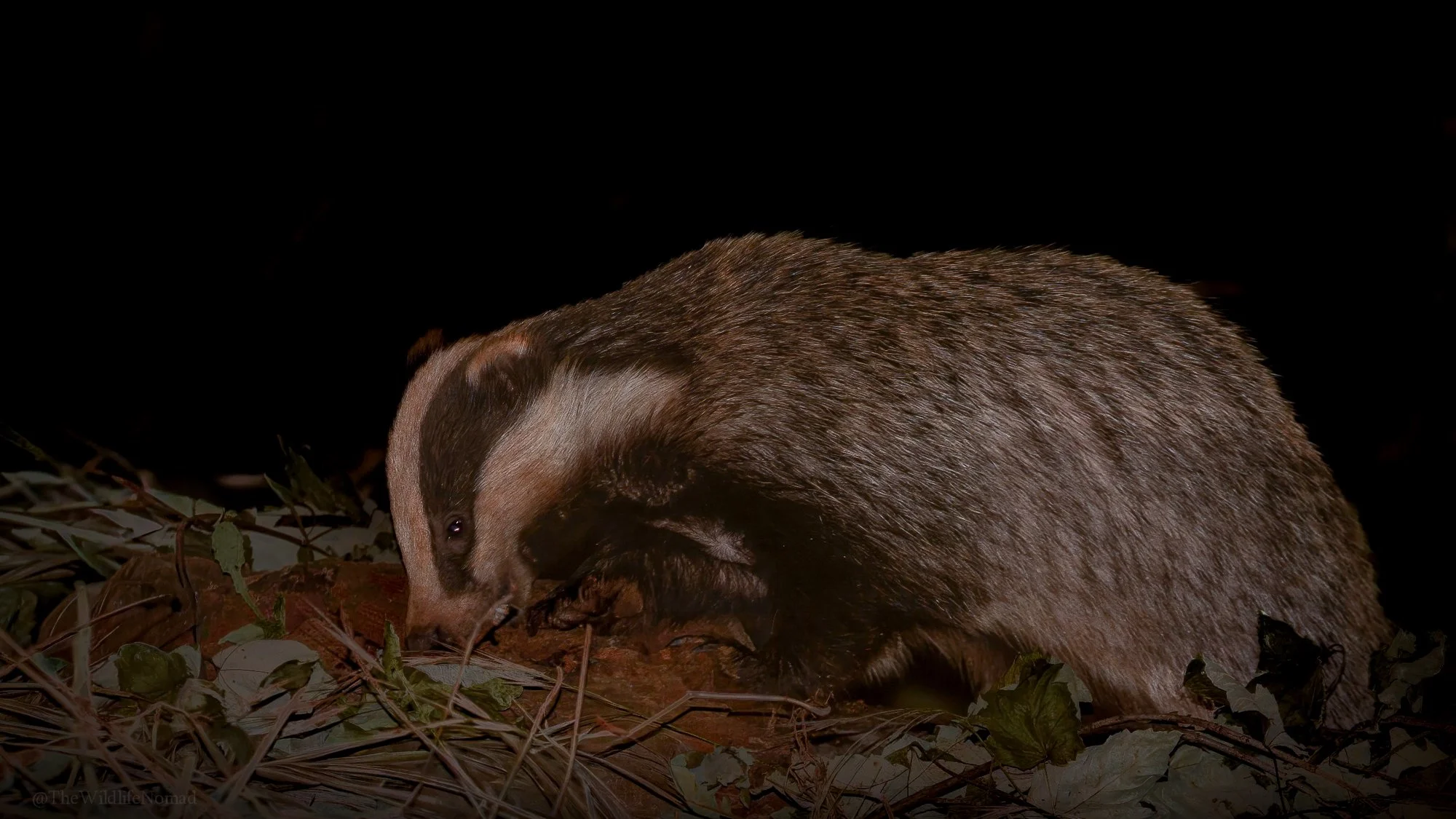
Follow a field study using a remote camera to investigate how badgers and other mammals use a seemingly ordinary gateway. See how repeated observations reveal movement routes, individual behaviour and interactions between species.
Back to the Hubs……