
UK Wildlife News December 2025
Three UK Wildlife Stories from December That Matter More Than They First Appear
December rarely delivers dramatic wildlife headlines. Fieldwork slows, daylight shrinks, and much of nature retreats from view. But beneath the surface, December 2025 revealed three stories that say a great deal about where UK wildlife conservation really stands. Taken together, they show progress, fragility, and pressure all existing at the same time. For wildlife photographers and naturalists, they also offer meaningful starting points for slower, more thoughtful projects that go beyond single images.
Red Squirrels Expanding in the Scottish Highlands

Progress built on patience.
After years of carefully planned reintroductions and habitat protection, red squirrels are expanding their range across parts of the Scottish Highlands. This recovery has been driven by long-term woodland restoration, grey squirrel control, and ongoing monitoring rather than short-term intervention. What matters here is not just population growth, but how it has been achieved. The work has been deliberate, local, and allowed the time it needed. This is conservation measured in decades, not seasons.
Further reading:
Trees for Life – Red squirrel reintroduction and recovery work
https://treesforlife.org.uk/into-the-forest/trees-plants-animals/mammals/red-squirrel/
Photography project:
Quiet Recoveries
Focus on evidence of return rather than close encounters. Feeding signs beneath conifers, chewed cones, tracks in snow or frost, and edge habitats where woodland meets open ground all tell the story without pressure on the animal.
Ethical thinking
Avoid active dreys entirely, especially in winter when disturbance costs energy.
Do not bait or linger near feeding sites. Let signs speak for themselves.
Work in daylight hours only and keep sessions short. Cold conditions magnify disturbance impacts.
Technical guidance
Lens: 24–70mm or 70–200mm for environmental detail and sign photography.
Kit: Macro or close-focus capability for cones and tracks; a small ground pod or beanbag helps without trampling vegetation.
Approach: Tripod optional. Handheld shooting encourages mobility and reduces time spent lingering in one spot.
White-tailed Eagles Disappearing Under Suspicious Circumstances
Recovery under pressure
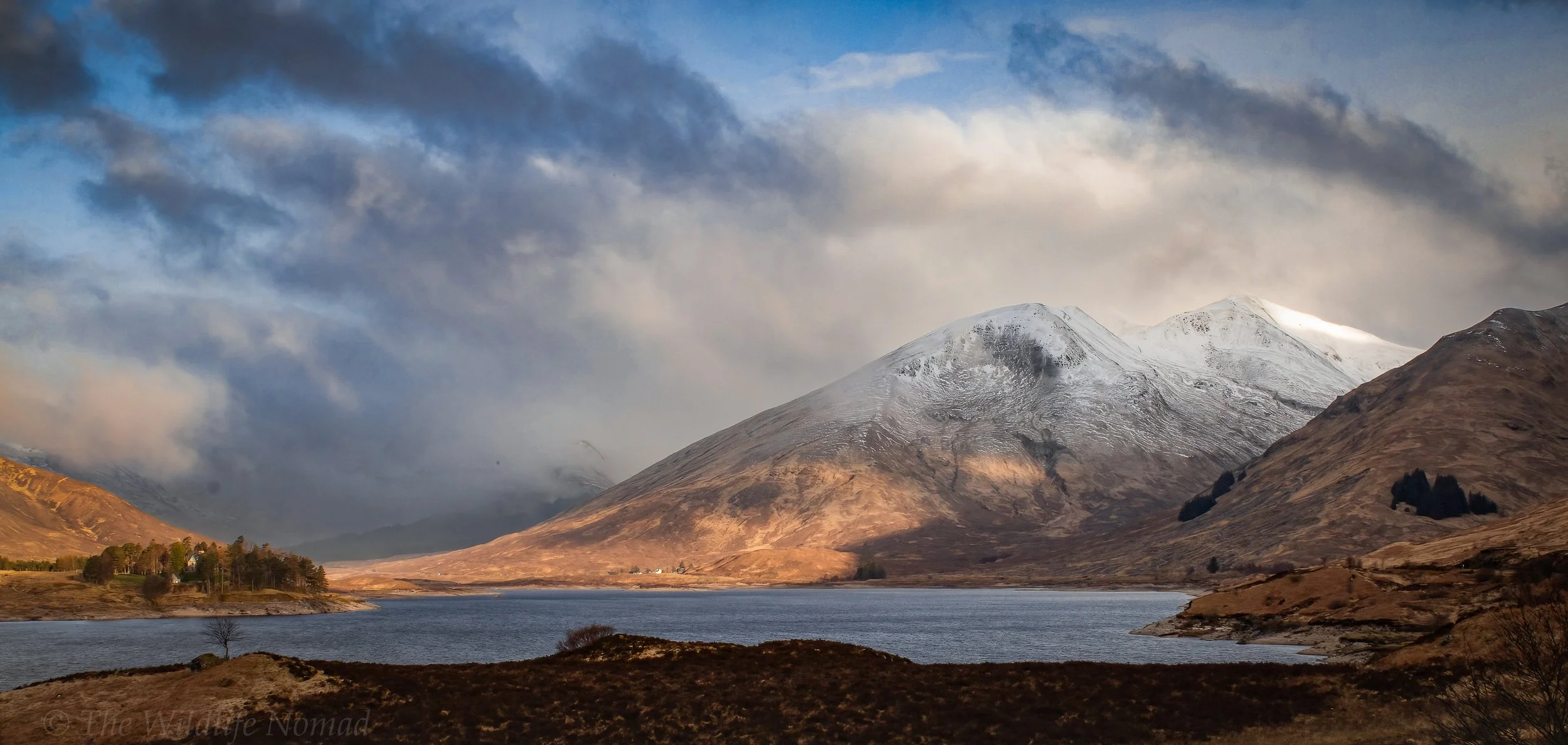
In December, several satellite-tagged white-tailed eagles disappeared across England, Wales, and Scotland. In at least two cases, tags were deliberately removed, triggering wildlife crime investigations. These birds are among the UK’s most high-profile conservation successes. They breed successfully and symbolise ecological restoration. Yet this story underlines a difficult truth: protection on paper does not remove conflict on the ground.
This is not a historical issue. It is happening now.
Further reading:
Forestry England – Statement on missing white-tailed eagles
https://www.forestryengland.uk/news/three-white-tailed-eagles-disappear-suspicious-circumstances
Photography project:
Absence and Edge
This is a project about context, not close-ups. Photograph landscapes where large raptors should be safe: estuaries, forest margins, remote farmland, coastal edges. Empty skies can be part of the story.
You are documenting tension rather than behaviour.
Ethical thinking
Never attempt to locate nests or roosts. Avoid sharing precise locations online.
Do not use playback, bait, or repeated visits to sensitive sites.
Be conscious that publishing images of rare raptors can unintentionally increase pressure on sites.
Technical guidance
Lens: 70–200mm or wider. This is landscape-led, not telephoto-driven work.
Kit: Lightweight tripod for dawn and dusk. Neutral density grads can help balance sky and land.
Approach: Shoot sequences. One frame rarely carries the narrative alone.
UK Habitats Under Strain from Extreme Weather
The constraint beneath everything
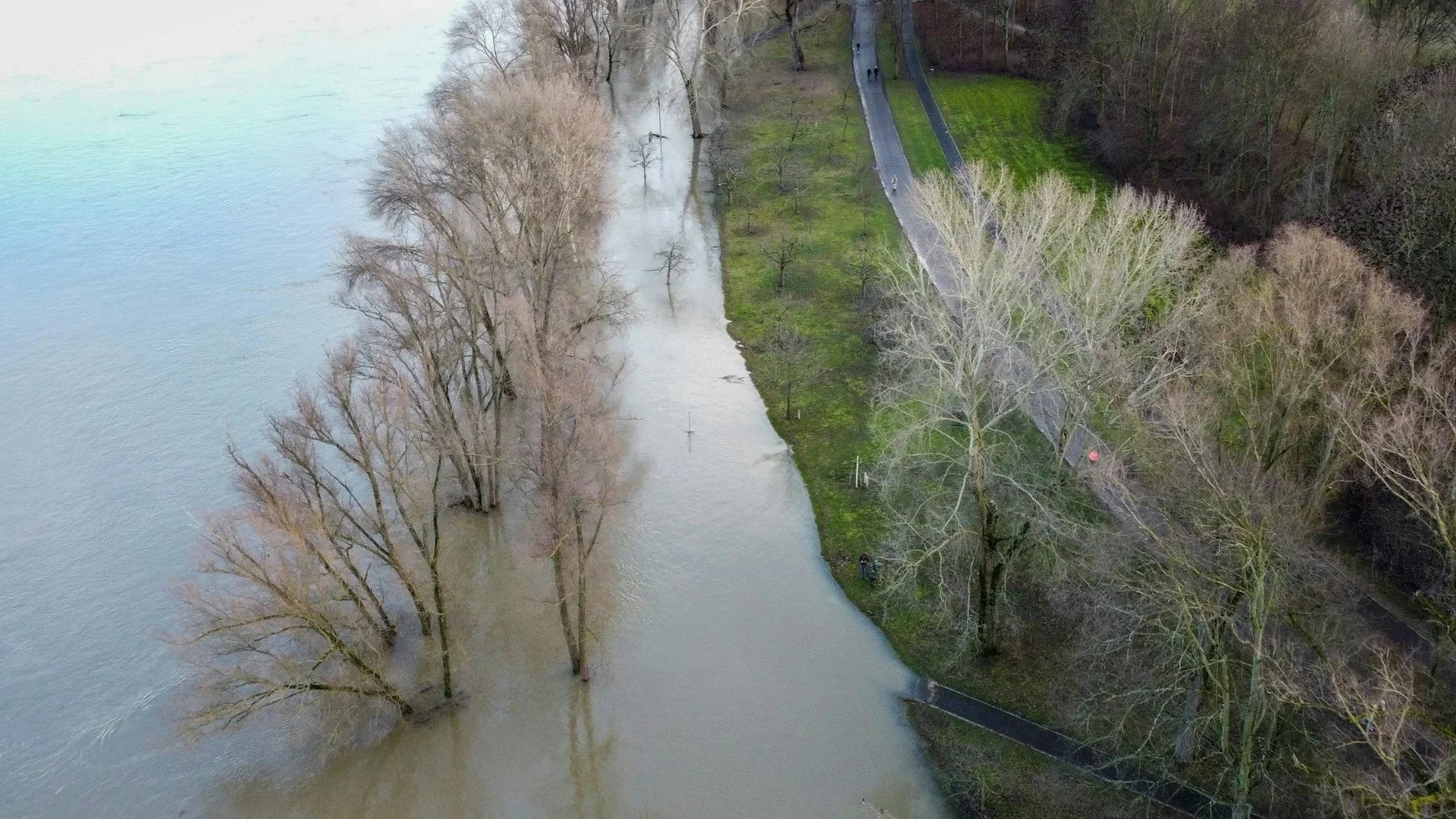
The National Trust’s end-of-year assessment showed how 2025’s extreme weather placed unprecedented strain on UK habitats. Drought, wildfire, flooding, and storms damaged peatlands, stressed woodlands, and destabilised wetlands. This story underpins all others. Species recovery and protection depend on habitat resilience, and increasing climate volatility makes that work far harder even where management is good.
Further reading:
National Trust – Weather and wildlife in 2025
https://www.nationaltrust.org.uk/services/media/weather-and-wildlife-2025
Photography project:
Resilience Under Pressure
Return to the same place repeatedly. Photograph water levels, vegetation stress, erosion, regrowth, and recovery. Pair wide scenes with quiet details that show change over time.
This is long-form documentary work.
Ethical thinking
Stick to paths and durable ground, especially around peat and wetland edges.
Avoid trampling recovering vegetation or fragile substrates.
Let weather dictate your visits rather than forcing access during vulnerable conditions.
Technical guidance
Lens: 24–105mm or 24–70mm for flexibility across scales.
Kit: Weather-sealed body and lenses; polariser for water and foliage control.
Approach: Consistent framing over time strengthens comparison and narrative clarity.
One Project That Ties All Three Stories Together
Fragile Progress – a winter narrative
These stories naturally form a single arc:
Recovery – species returning where conditions allow.
Conflict – protection challenged by human pressure.
Constraint – habitats struggling beneath climate extremes.
A photographer might approach this as a seasonal body of work rather than a single outing. The strength lies not in rare sightings, but in how land, absence, and subtle change connect.
Ethical foundation for the combined project
Prioritise welfare over images at every stage.
Share stories without precise locations.
Accept that some chapters will contain no wildlife at all.
Technical overview
Core kit: One mid-range zoom, one moderate telephoto, tripod, notebook.
Mindset: Observation first, camera second.
Output: Sequences, diptychs, and short essays rather than isolated frames.
Why This Matters Going Into 2026
These December stories remind us that conservation is rarely simple or linear. Progress can exist alongside loss. Success can remain fragile. Habitat sits beneath everything.
Wildlife photography matters most when it reflects that complexity honestly.
Slow down.
Watch longer.
Tell fuller stories.
Other Blog Articles of Interest
How to Read Winter Hedges for Wildlife Behaviour and Fieldcraft
How to Attract Birds to Your Garden: Simple Steps for a Bird-Friendly UK Garden
——————————————
Frequently Asked Questions About Squirrels, Eagles and Bad Weather
Why are red squirrels still declining in parts of the UK?
Despite local recoveries, red squirrels continue to decline in many areas due to habitat fragmentation, competition from grey squirrels, and the spread of squirrelpox virus. Conservation success depends heavily on sustained woodland management and keeping grey squirrel populations out of key refuges.
Are white-tailed eagles still persecuted in the UK?
Yes. Although white-tailed eagles are legally protected, illegal persecution remains a problem in parts of the UK. Satellite-tagged birds occasionally disappear under suspicious circumstances, and investigations by wildlife crime units continue to highlight ongoing conflict between raptors and some land uses.
How does climate change affect UK wildlife habitats in winter?
Climate change is increasing winter weather extremes, including flooding, prolonged rainfall, and unseasonal warmth. These conditions can damage peatlands, waterlogged soils, and woodland root systems, reducing habitat resilience and affecting food availability for wildlife.
Is wildlife photography harmful to animals in winter?
Wildlife photography can be harmful in winter if it causes disturbance, forces animals to move unnecessarily, or interferes with feeding and resting behaviour. Ethical practice focuses on distance, short observation periods, and avoiding sensitive sites such as nests, roosts, and dens.
How can wildlife photographers support conservation without disturbing animals?
Photographers can support conservation by prioritising fieldcraft over proximity, documenting habitats and signs rather than close encounters, avoiding location sharing for sensitive species, and using their images to tell honest stories about pressure, recovery and change.