

Are 20 Megapixels Enough for Wildlife Photography? (Part One)
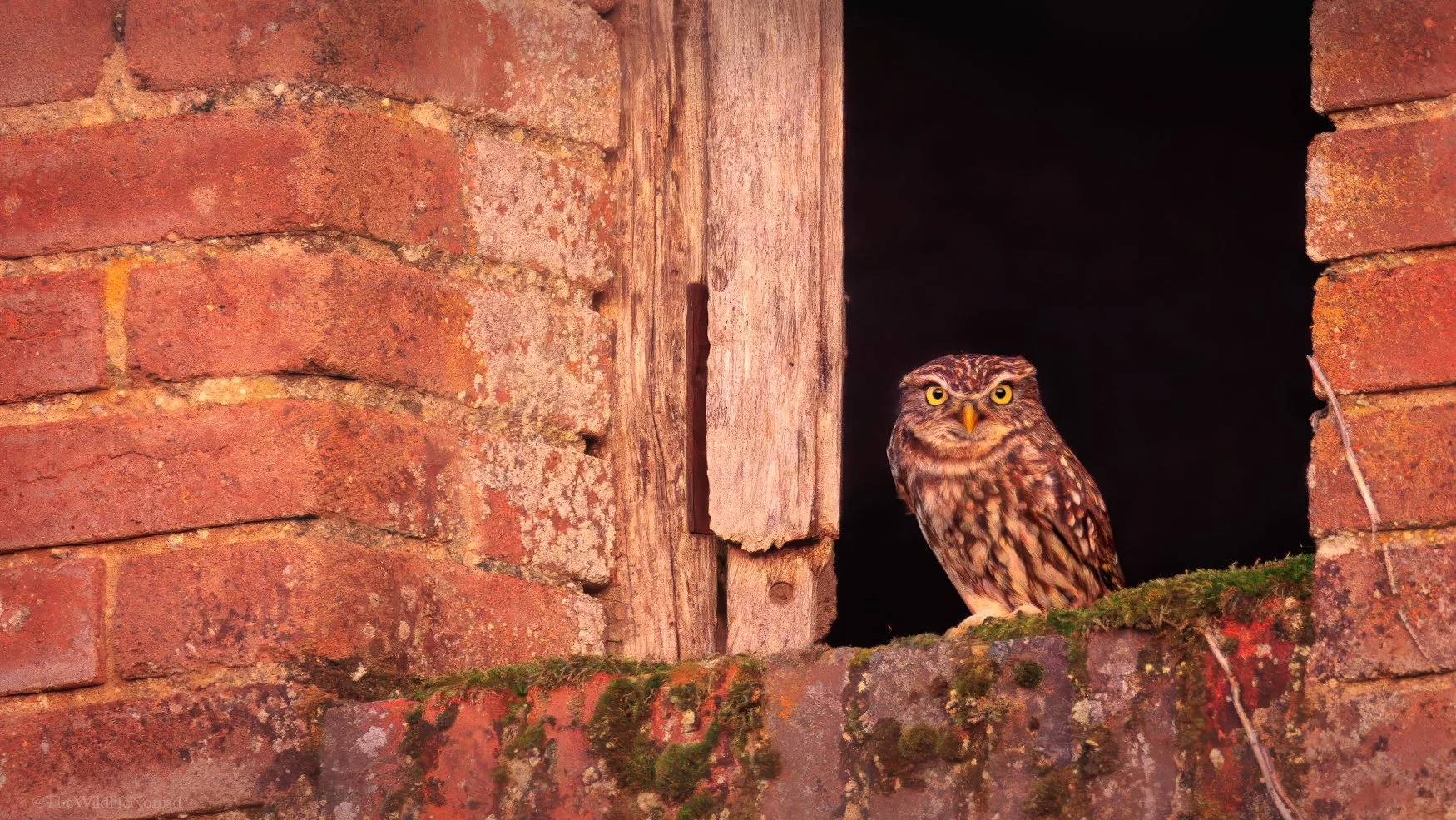
If you spend any time online, you’d be forgiven for thinking that wildlife photography only begins at 40, 50 or even 60 megapixels. Every year the numbers climb, and the pressure to “upgrade or fall behind” grows with them. But does more resolution really help the average wildlife photographer? And how much do you actually need?
A good way to answer this is to look at what can be achieved with something like a Canon R6, a body with relatively modest resolution by modern standards. At 20.1MP it’s nowhere near the top of the megapixel charts. Yet it’s the one I use as my main camera body and remains the tool I trust for almost all my fieldwork in Britain and France (all the images on this page were taken with my R6).
Why? Because it does everything that matters extremely well. It’s fast. It’s responsive. It’s superb in low light. It focuses in conditions where other cameras struggle. And when paired with good glass, the images are clean, sharp and flexible enough for anything from social media to large prints.
The point is simple: megapixels are only one part of the story.
This first part of the series looks at what resolution really gives you, how much you need, and why modern 20–24MP cameras remain some of the best all-round tools for wildlife work. Part Two will take this further by testing several older, low-megapixel cameras to see what they can still achieve in 2025.
So How Many Megapixels Do You Actually Need?
Here’s the honest answer:
For most wildlife photographers, 20–24 megapixels is enough for almost everything.
It gives you:
• flexibility for moderate cropping
• prints up to roughly 16×24 inches
• clean files in low light
• strong autofocus performance
• manageable file sizes
• a good balance of speed and image quality
Higher megapixels can be useful. But they are not essential, and in many real situations they can even work against you.
Let’s break it down in a way that helps beginners and also encourages experienced photographers to rethink their assumptions.
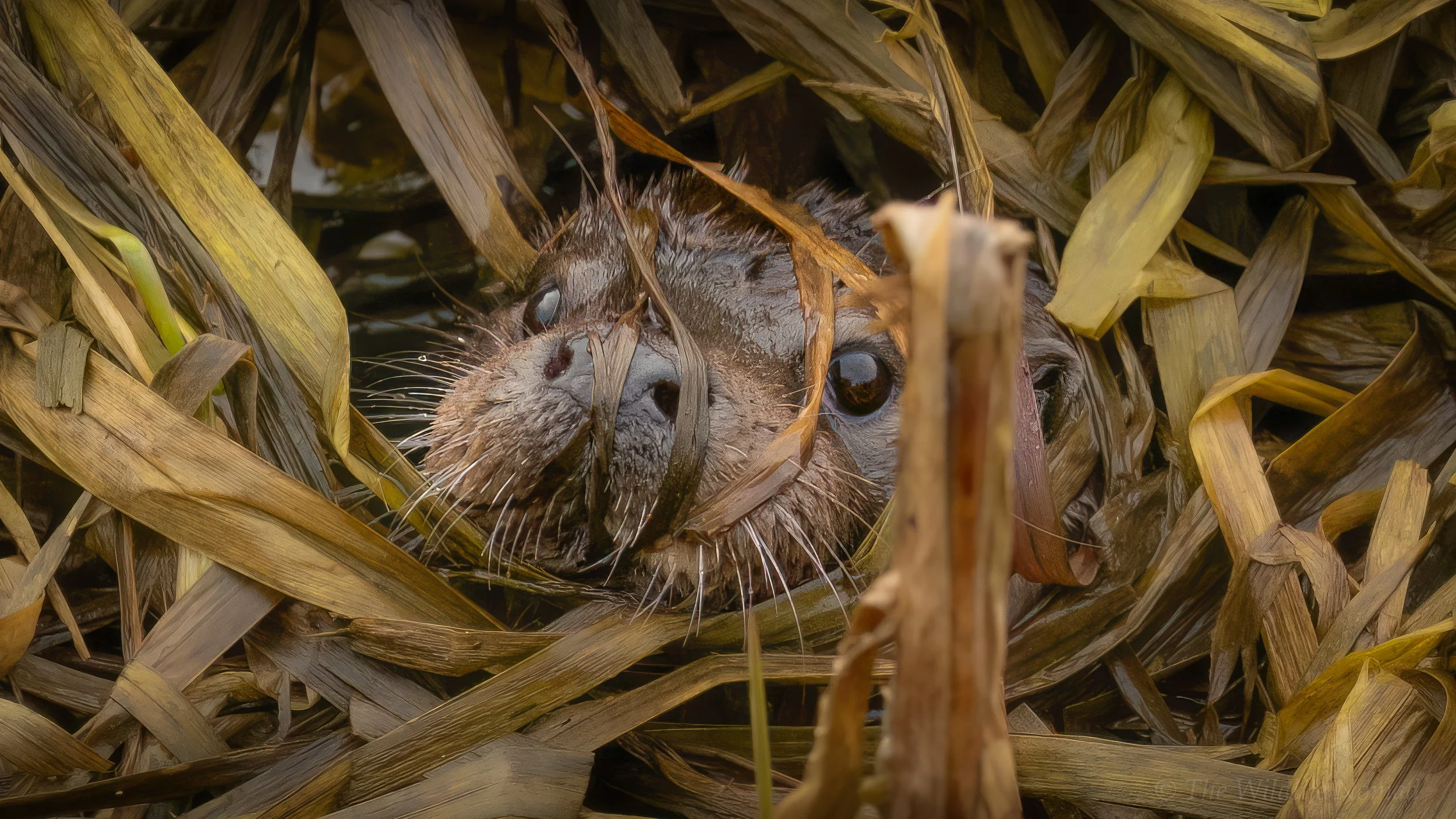
Why 20–24MP is Still a Sweet Spot
1. Low-light performance matters more than resolution
A pixel is a bucket that collects light. More megapixels mean smaller buckets. Smaller buckets mean more noise, especially at dawn and dusk — the two times when animals are most active.
This is why cameras like the Canon R6, Nikon Z6 series and Sony A7 III, all around the 20–24MP mark, remain favourites among wildlife photographers. Their pixels are larger, cleaner and more forgiving.
My R6 routinely handles woodland, pre-sunrise and heavy overcast conditions that would challenge higher-resolution bodies. I’d rather have a clean 20MP file than a noisy 45MP file every time.
2. Speed and responsiveness beat pixel count
Wildlife rarely sits still. Birds stoop, deer bound, foxes turn and vanish. High-megapixel sensors push huge amounts of data per frame, which slows down the burst rate and fills the buffer. A 20–24MP sensor gives you:
• deeper bursts
• faster clearing
• more keepers in fast action
• less rolling shutter artefact
Let’s break this down in practical terms. The burst rate on both the Canon R5 and R6 bodies are identical. Each will shoot 12 frames per second with the mechanical shutter and up to 20 frames per second electronically. The difference shows when you hold the shutter down during fast action. The R6’s 20-megapixel files are light enough that the buffer clears quickly, even in RAW. In practice you can keep shooting for longer before the camera needs to pause. With a fast card it’s not unusual to see well over 200 RAW frames at full speed, often more.
The R5 can match the speed, but not the stamina. Its 45-megapixel files are more than twice the size, which means the buffer fills sooner and takes longer to clear. If you work with long bursts (owls drifting over a meadow a stoat hunting, a peregrine stooping) you’ll hit that limit quicker. It’s not a flaw, just physics. Bigger files take longer to write.
3. Lenses beat megapixels
Here’s a truth that camera manufacturers don’ t tell you………….good glass outperforms more megapixels every time.
A sharp, fast telephoto on a 20MP sensor will out-resolve a mediocre lens on a 45MP body. That’s worth repeating because it’s something beginners often miss: a great lens unlocks more real detail than a high-resolution sensor.
The Canon RF 200–800mm on an R6 delivers more usable detail than any older superzoom on a 45MP body. The optics win.
Invest in the lens first, sensor second.
4. Fieldcraft beats everything
OK so you’d expect me to say that! But it’s true, cameras do not replace skill. If you’re too far away, or standing in the wrong place, or moving carelessly, no amount of resolution will rescue the shot.
Getting closer ethically, by moving quietly, understanding behaviour, reading alarm calls and using wind and cover, gives you more detail than buying more megapixels ever will.
Good fieldcraft closes the distance. Cropping is a safety net, not a strategy.
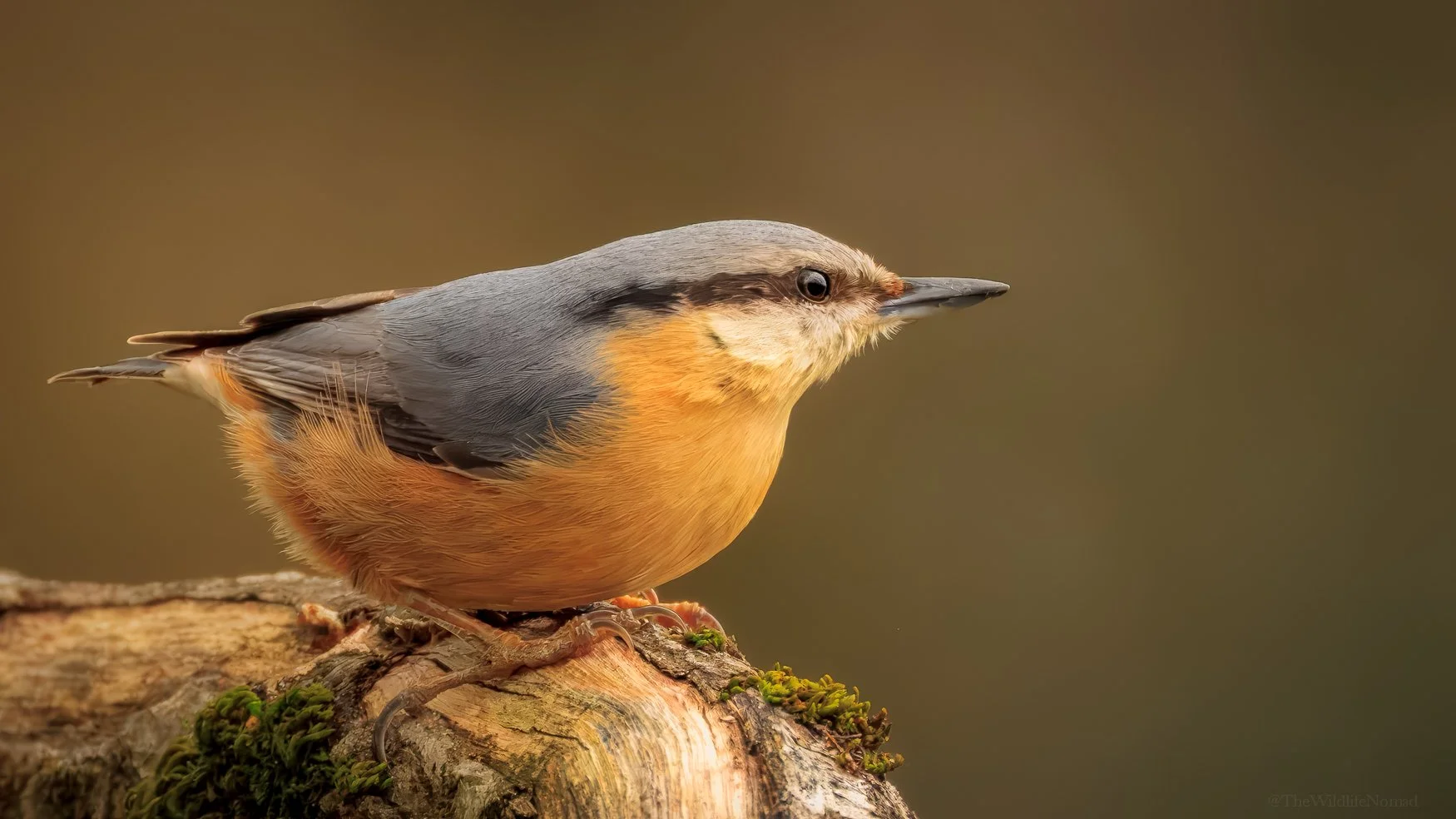
Cropping: How Far Can You Go With 20 Megapixels?
A 20MP image is roughly 5500 pixels along the long edge. This means:
• cropping to 50 percent still gives you a 10MP image (good for prints)
• cropping to 25 percent gives you around 5MP (still usable for web and smaller prints)
• cropping to 10–15 percent is pushing it, depending on light and lens quality
The honest limit for most 20MP cameras is:
Try to keep at least 25–40 percent of the original frame if you want high-quality results. You can crop deeper, especially for web use, but quality depends heavily on light, stability and whether your lens is sharp at the long end.
When Higher Resolution Genuinely Helps
There are situations where more megapixels earn their keep:
• distant small birds
• heavily cropped raptors
• high-detail plumage (e.g. divers, grebes, waders)
• large exhibition prints
• macro work where fine texture matters
But even then, technique matters more. High resolution punishes any mistake: soft lenses, camera shake, missed focus, heat haze, shimmer and poor light all show up more strongly.
A 45MP camera demands a tripod, faster shutter speeds, good light and very steady technique. If those aren’t in place, you’ll get worse results than from a 20MP body.
Modern Software: The New Part of the Equation
This is where things get interesting. Programs such as:
• Topaz Denoise / Sharpen / Gigapixel
• Lightroom Denoise
• DXO PureRAW
have changed how far you can push a low-megapixel image.
These tools can:
• clean up high ISO noise
• recover shadow detail
• improve micro-contrast
• upscale a cropped image while preserving fine structure
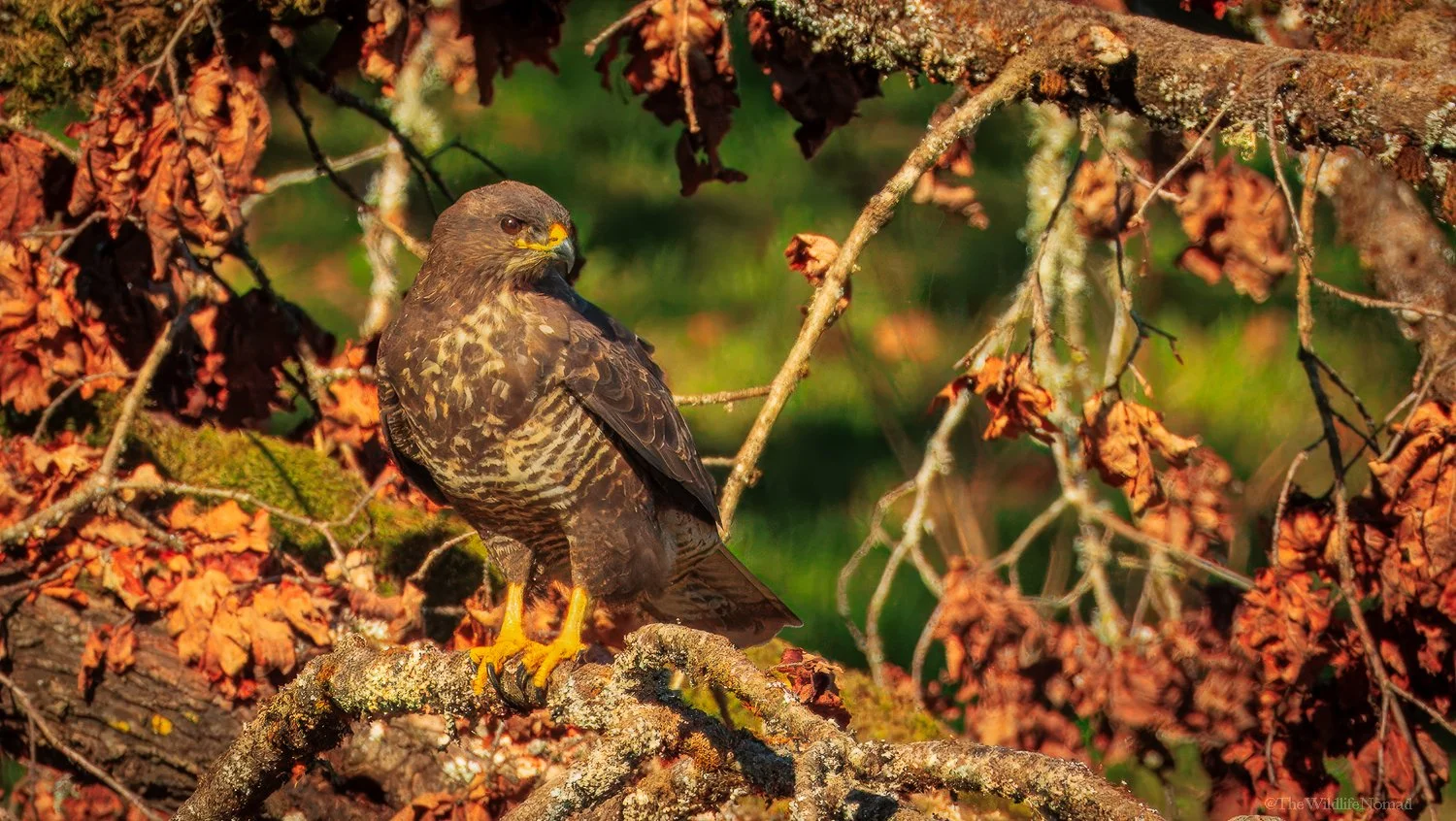
This means a 20MP file cropped to 25 percent of the frame can still look excellent for social media or smaller prints once processed with modern software (the above Buzzard image is a great example of this, it’s a very large crop in poor light!). It also means older cameras (the ones I’m testing in Part Two) can be more usable today than they were when new. Good software can’t fix bad technique, but it can bridge the gap between low resolution and modern expectations.
But remember, software enhances, but doesn’t replace fieldcraft.
A Reminder for Experienced Photographers
If you’ve been shooting for years, it’s easy to feel pressure to upgrade to the newest high-resolution flagship. But before you spend thousands:
Ask yourself honestly:
• Are you regularly printing larger than 20×30 inches?
• Are you cropping most files to 10–20 percent of the original frame?
• Are you consistently shooting in bright light?
• Are your lenses good enough to resolve the extra detail?
• Is your technique steady enough to benefit from 45–60MP?
Most of us would quietly answer “no” to at least one of those.
A modern 20–24MP full-frame camera with good glass and good technique still outperforms a high-resolution body used carelessly.
The Real Truth About Megapixels
When you strip away the marketing, here’s what matters:
• Resolution helps, but only if everything else is already strong.
• Good lenses beat high megapixels.
• Good light beats both.
• Fieldcraft beats everything.
• Software helps push the limits but can’t rescue poor technique.
And yes, for almost all practical wildlife photography, 20 megapixels is enough.
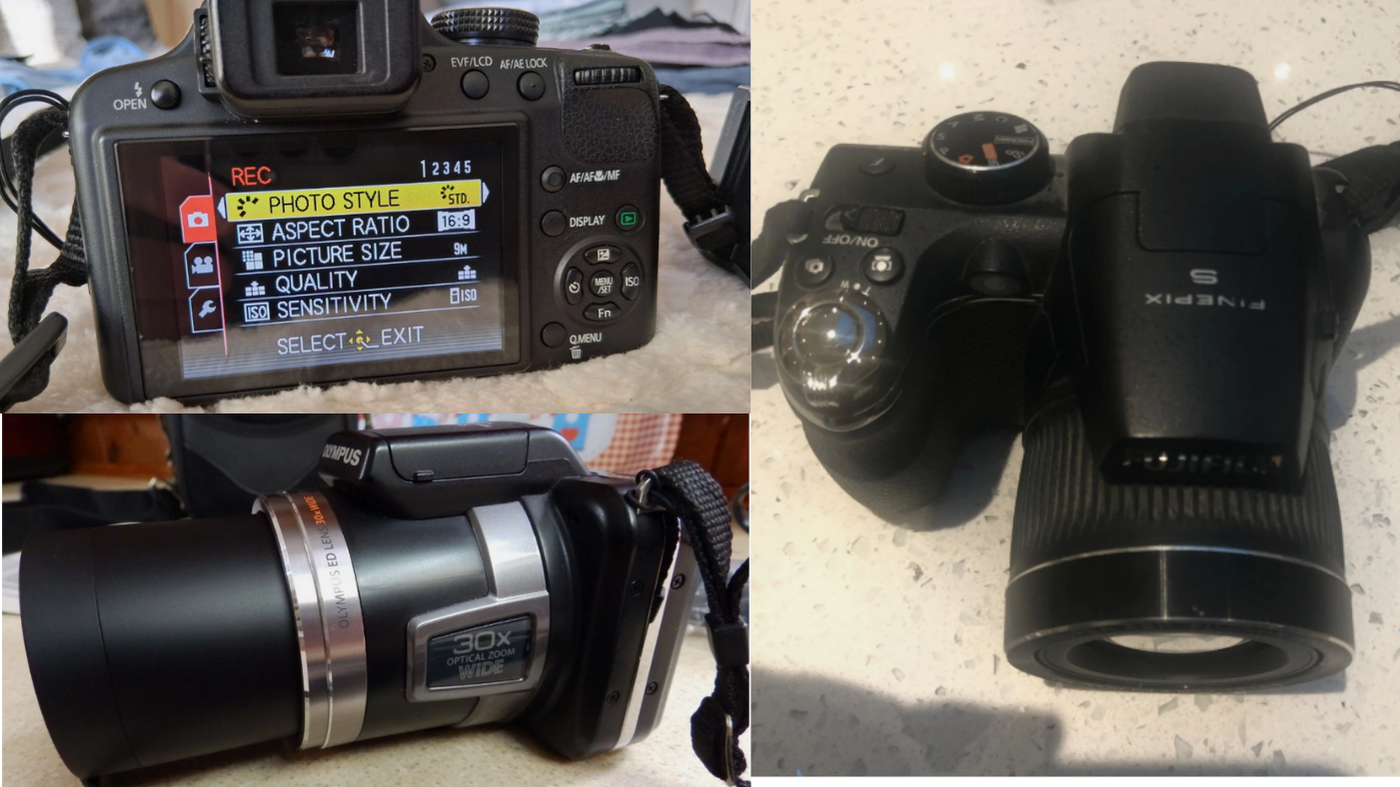
The Panasonic FZ48, Olympus SP800UZ and Fuji S3200 were all purchased on eBay for less than £30 and will be put through their paces in part 2!
Can I use a Bridge Camera for Wildlife Photography?
If you cant wait for Part Two, the answer is YES!
If 20MP is enough, how far can we push older, low-resolution cameras? In Part Two, I’ll test several decade-old bridge cameras (each bought for under £30) to see how well they cope with real wildlife subjects today. These include 12–16MP models with slower autofocus and small sensors, the sort many beginners are using.
The aim is to answer, honestly and practically:
• Can older low-MP cameras still produce wildlife images worth sharing?
• How well do they respond to modern noise-reduction and upscaling software?
• Can you still learn the craft without the latest gear?
I think we will find there are some limitations with older cameras that modern technology remove from the equation for us, but it will be interesting to see how they handle low light, the requirements of quick focussing and whether using less tech actually can improve your technique as a beginner?
Stay tuned for Part Two.
Similar Blog Articles to Read
Camera Smart: Mastering Image Stabilisation for Wildlife Photography
Working with the Darkness: How to Master Low Light this Winter
Camera Smart: Mastering Custom Buttons
Camera Smart: Mastering Metering and Exposure for Stunning Wildlife Photography
——————-
FAQ: Wildlife Photography and Megapixels
Are more megapixels always better for wildlife photography?
Not necessarily. More megapixels help when you crop heavily or photograph distant birds, but they also amplify noise, slow down burst rates, and create huge files. In low light or woodland — where most UK mammals are found — a lower-resolution sensor with larger pixels often produces a cleaner, sharper image. It’s better to choose the right megapixel range for your shooting conditions rather than the biggest number on the box.
Will a 20MP camera limit my wildlife photography as I improve?
For most photographers, no. A well-exposed 20MP image can easily handle moderate cropping and print sizes up to 16×24 inches. What limits people isn’t the resolution — it’s technique. Good fieldcraft, sharp focus, steady support, and understanding wildlife behaviour make far more difference to your results than jumping to a 45–60MP body.
Do full-frame cameras always produce better wildlife images than APS-C?
Not always. Full-frame sensors usually perform better in low light, making them great for dawn, dusk, and woodland mammals. APS-C bodies, however, place more pixels on small, distant subjects thanks to the crop factor. If you shoot a lot of birds at long range, APS-C can actually give you more effective detail. The “better” option depends on what you photograph most.
How many megapixels do I need if I want to crop heavily?
If cropping is a regular part of your workflow — for example, photographing birds that rarely let you close — aim for 40–50MP. This gives you more flexibility to reframe later without losing sharpness. If you only crop occasionally, a 20–30MP body is more than enough. Remember that cropping can’t fix softness caused by distance, haze, heat shimmer, or poor focus.
Is it worth upgrading to a high-megapixel camera for printing large wildlife photos?
Only if you regularly print larger than 24×36 inches or plan gallery-grade fine-art work. Modern upscaling tools can lift a clean 20–24MP file to larger sizes without noticeable degradation. Most photographers who upgrade to high megapixels do it for cropping power, not printing. For typical home prints, exhibitions, and photobooks, a well-shot 20MP RAW file is perfectly capable.