

Building Homes: A Hedgehog Workshop in the Wye Valley
A Warm Hall, a Hammer, and a Quiet Problem
On Saturday, Su and I found ourselves in Narth village hall, surrounded by the steady rhythm of hammers and the smell of fresh timber.
We’d gone partly out of curiosity.
I’ve built hedgehog houses before, and I wanted to see how others approached the design. But just as important, we’re still relatively new to the area, and it felt like a good opportunity to meet people and understand more about the work being done by the Wye Valley National Landscape Team.
The first impression was immediate. Warm. Friendly. Organised. No fuss. Just people getting on with something practical…..and that matters more than it might seem.
Because conservation at this level doesn’t happen through big, dramatic moments. It happens in rooms like this, with people willing to give up a morning to do something small, but meaningful.
The People Behind It
The workshop was led by Molly Boyce who is a Nature Recovery Officer for Wye Valley National Landscape , and it’s worth saying clearly that she set the tone for the entire session. She was inclusive, attentive, and quietly supportive of everyone in the room. Small details stood out. Glasses and ear protection were available for anyone who needed them, which matters when ten tables are all hammering at once. She moved between groups offering guidance, answering questions, and making sure no one was left behind.
It didn’t feel like a formal session. It felt like someone making sure everyone succeeded.
Supporting her was Julio from Chepstow Artspace, who handled the practical side. He gave a clear introduction to the tools, basic technique, and how to avoid the usual frustrations of hammering nails into timber.
Nothing complicated. Just the right information at the right time.
Between them, they created something that worked.
What We Built (And What It Tells You)
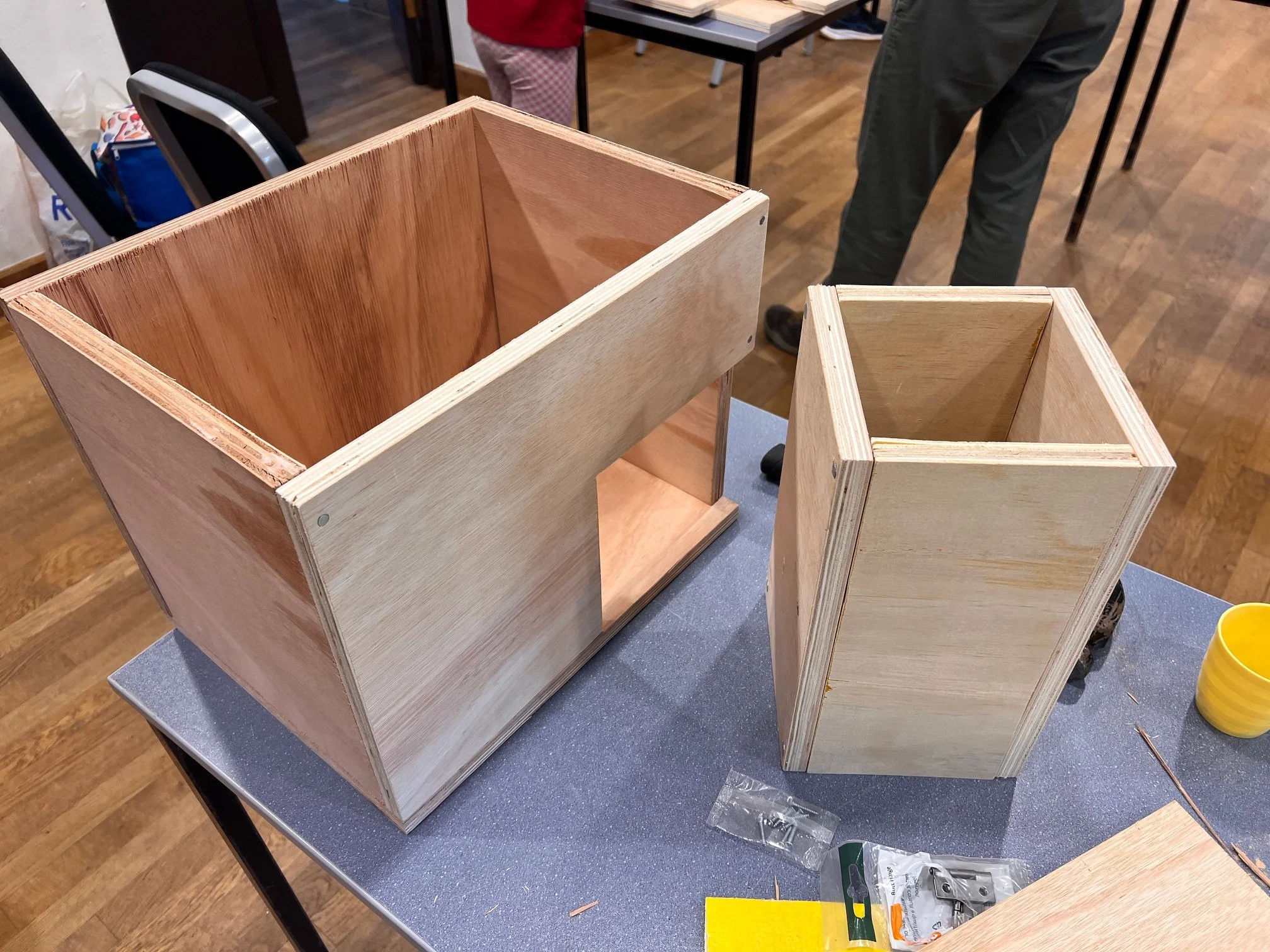
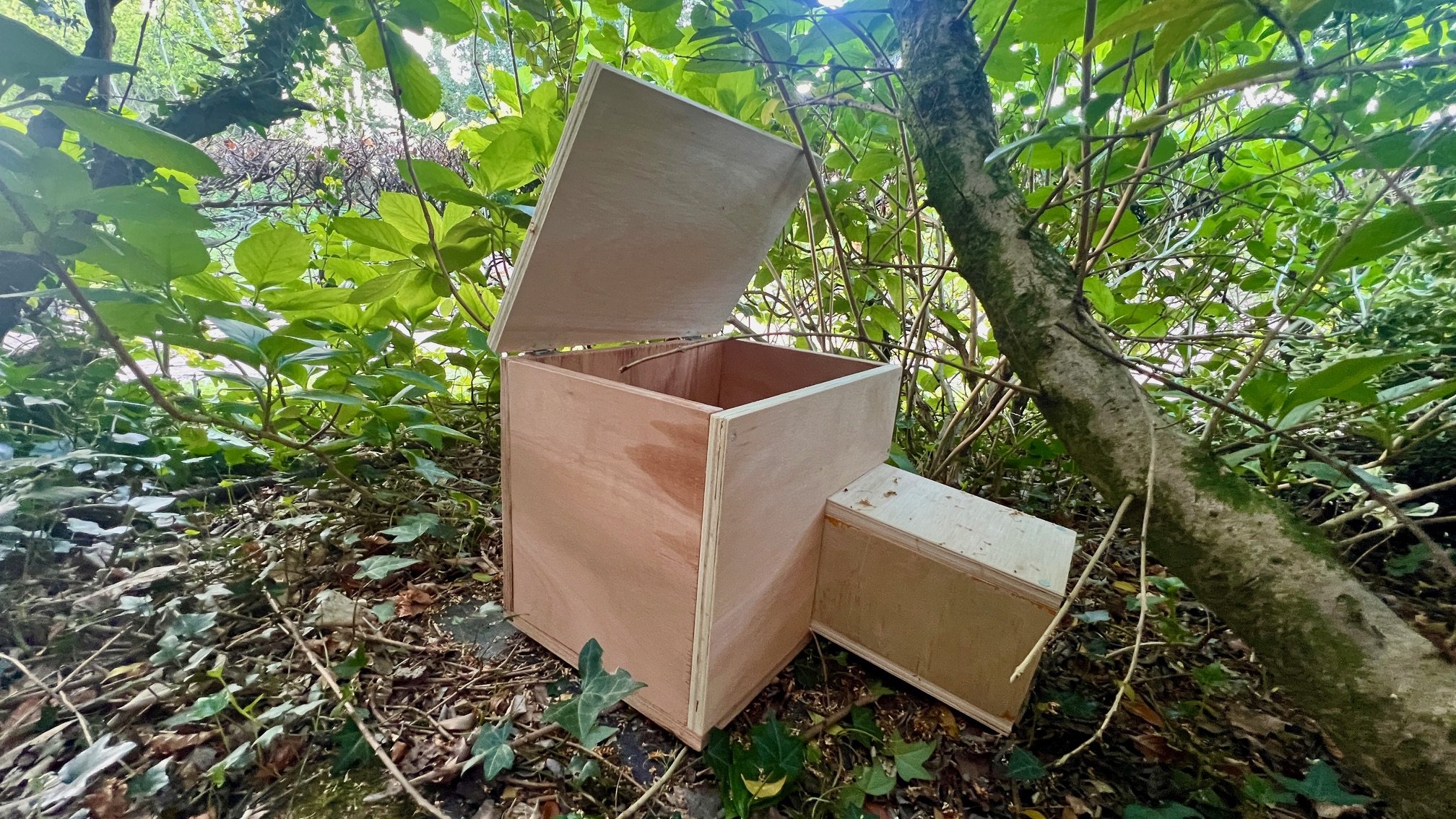
Each table worked from pre-cut timber. Not a flat-pack kit, but all the pieces had been prepared in advance, which made the build accessible to everyone.
The process was straightforward:
Panels assembled with hammer and nails
A single straight tunnel entrance
A hinged lid for cleaning
Raised feet to keep the structure off the ground
Within a relatively short time, everyone walked away with a finished hedgehog house.
Notably, this was a free event, and everyone got to keep their hedgehog box (so a big thumbs up!). From a fieldcraft point of view, a couple of things stood out.
Simplicity Over Perfection
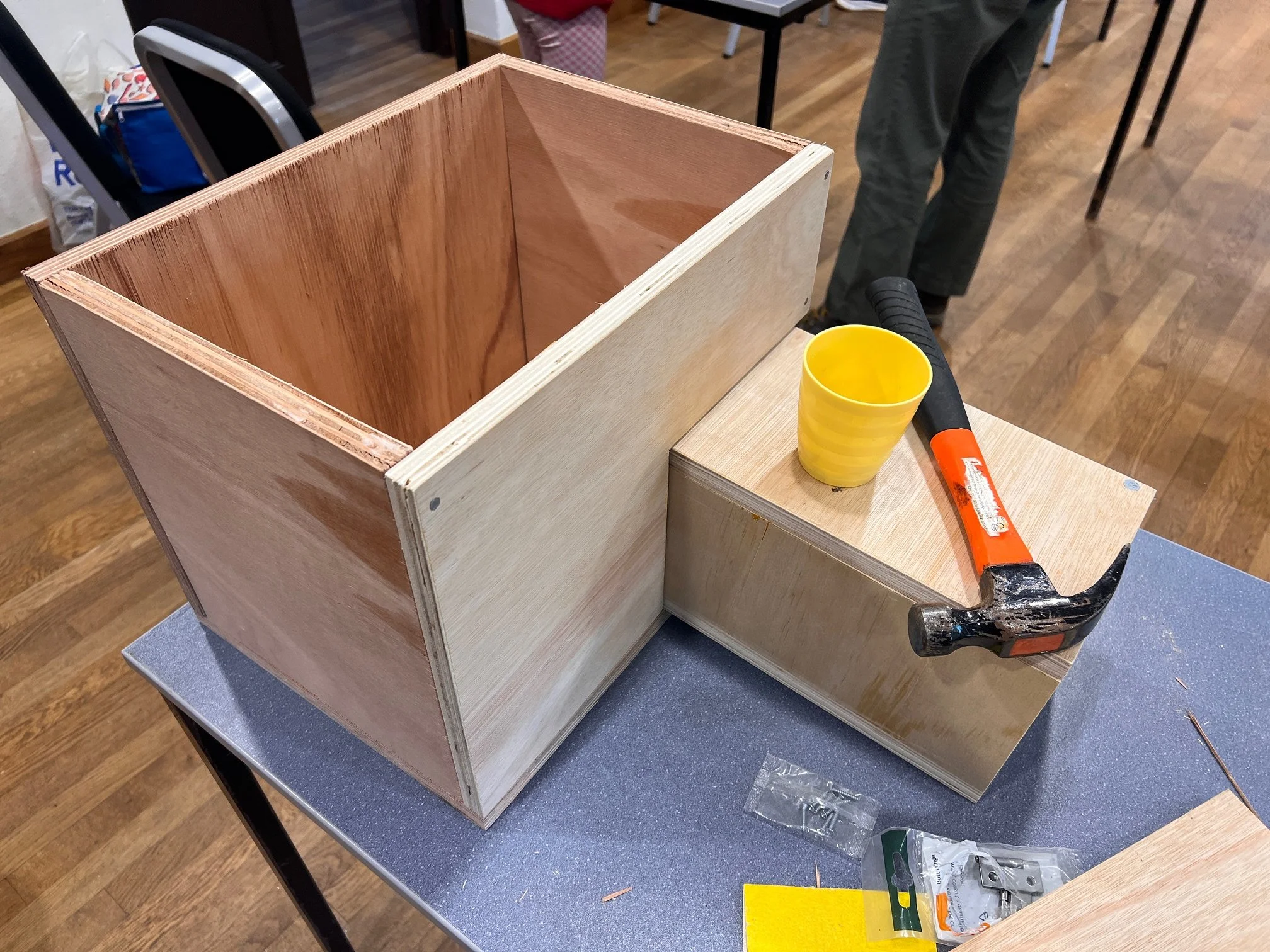
The box was smaller than ones I’ve built before, and the tunnel led straight into the chamber rather than turning at a right angle. That’s a compromise (but a completely understandable one). A straight tunnel is easier to build, but a bent or baffled entrance offers better protection from predators. In this case, quite rightly, accessibility for all skill levels clearly took priority.
The box was already raised on feet, which is exactly what you want for drainage. Ventilation was also effectively handled by the way the entrance tunnel fitted into the main chamber, leaving small gaps for airflow. So while the design was simple, it wasn’t careless. It was just streamlined.
There was no felt or waterproof layer on the roof. That’s one area I’d look to improve, especially for long-term use, but for a time and resource limited build it was a good design that everyone manged to complete.
All in all a great, FREE hedgehog home, that could be upgraded very easily if you wanted.
Why Hedgehogs Matter Here
One thing that wasn’t explored in depth during the session, but is important to understand, is why hedgehogs are a focus species in landscapes like the Wye Valley. Hedgehogs are what’s known as an indicator species.
If they’re doing well, it usually means the wider landscape is functioning. If they’re struggling, it’s often a sign that something is out of balance…..and across the UK, they are struggling.
Rural populations in particular have seen significant declines over the past few decades. Not because of one single issue, but because of a combination of pressures:
Loss of hedgerows and rough margins
Increasingly tidy, sealed gardens
Reduced insect and invertebrate populations
Roads cutting through movement routes
Fragmentation of habitat
None of these factors act alone. But together, they quietly reduce the space hedgehogs need to survive.
The Hedgehog Highway (A Small but Important Detail)
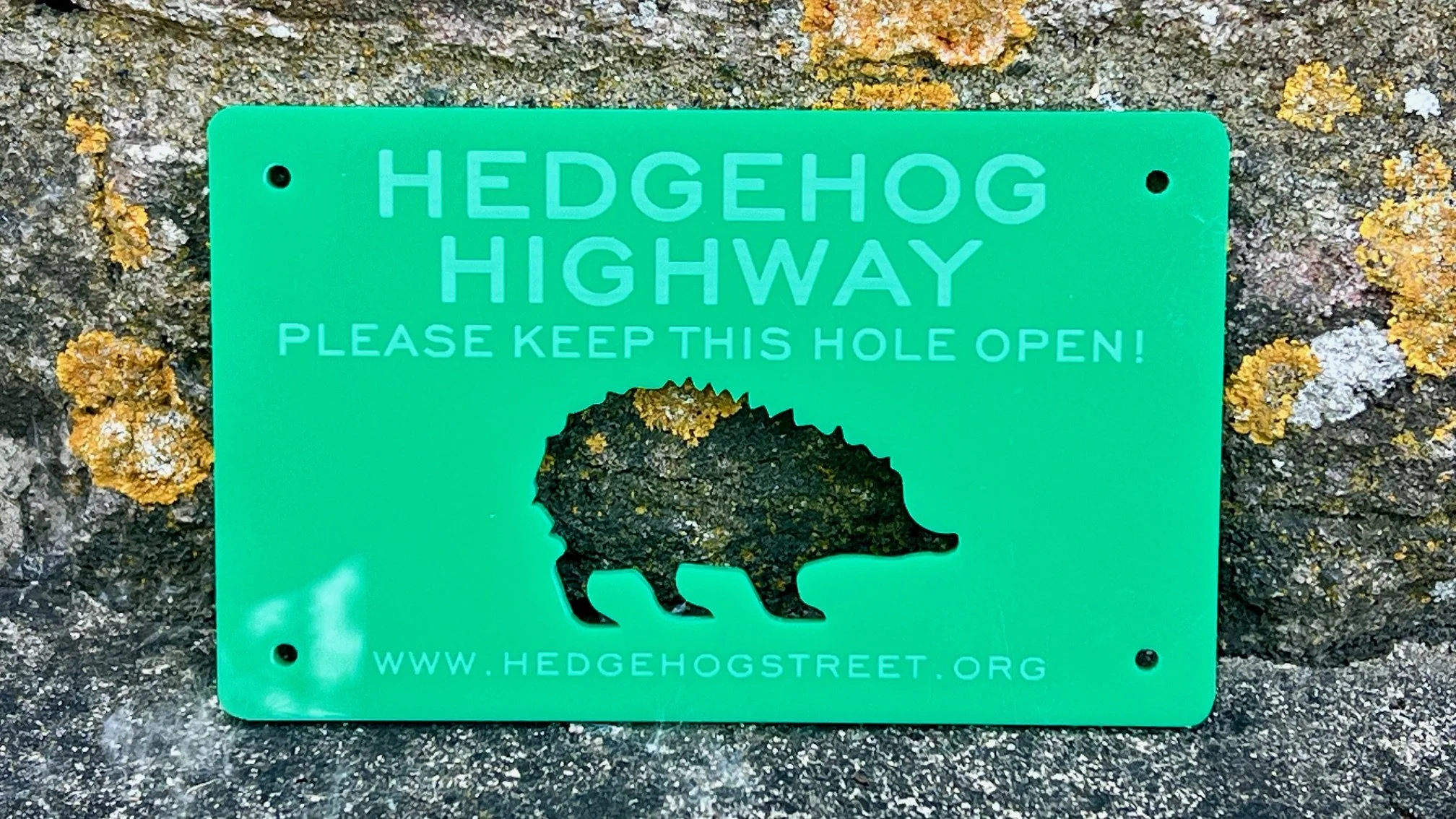
As part of the workshop, we were given a simple sign encouraging the creation of hedgehog highways. Not the most important part of the day, but definitely a valuable one. A 13cm gap in a fence or boundary is enough to allow hedgehogs to move between gardens. Without that access, even a well-built hedgehog house can become isolated.
It’s a reminder that habitat connectivity often matters more than any single intervention.
Placement: Where This Really Matters
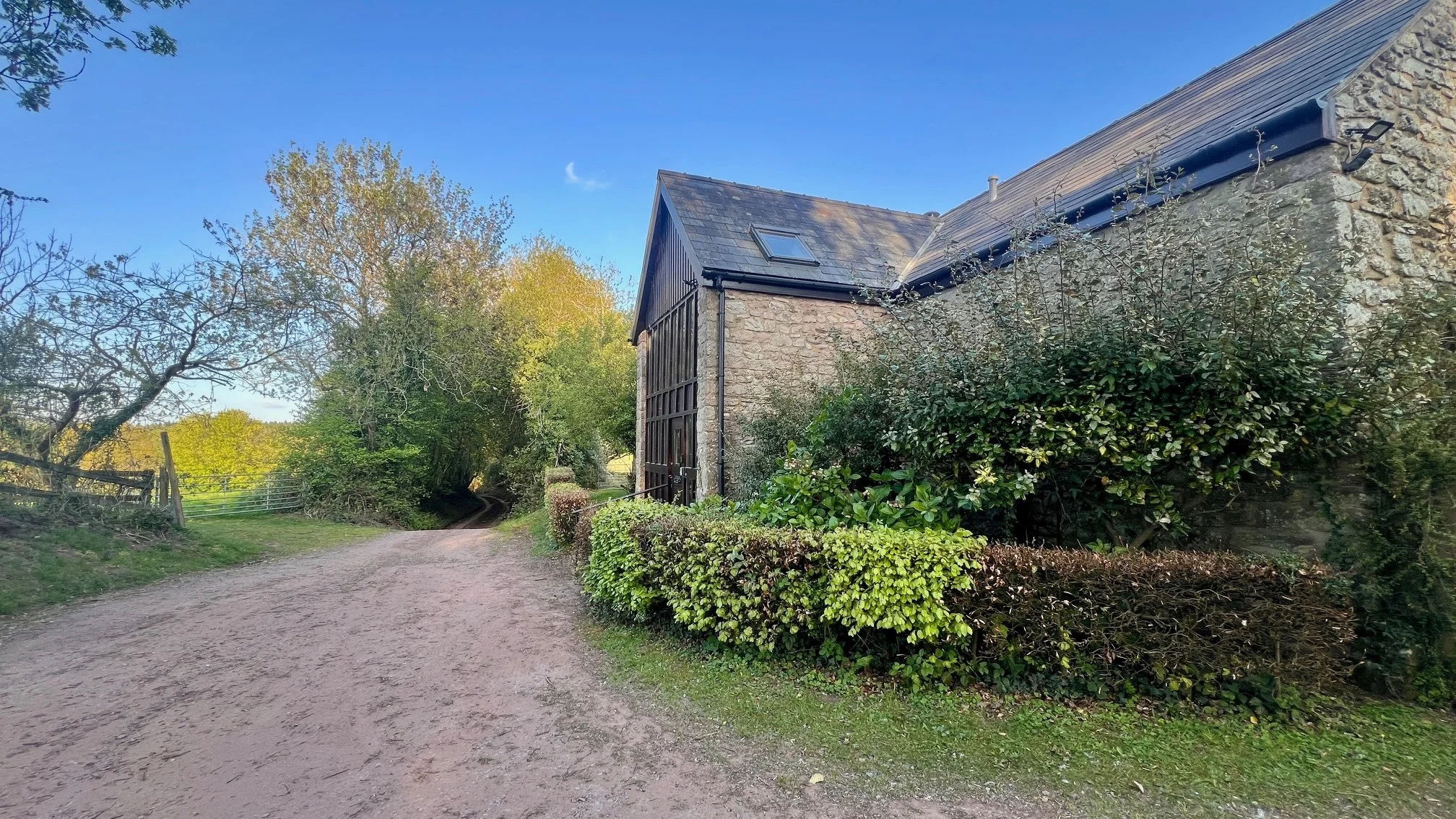
Once home, we placed our box behind the beech hedge at the front of the property.
That decision wasn’t random.
It’s sheltered from wind and rain
It sits within an existing natural structure
It’s close to known feeding areas
And crucially, hedgehogs have already been recorded nearby
We’ve seen them here before. Only once or twice in six months, so not common, but present…..and that’s enough. Because the goal isn’t to force activity. It’s to support what’s already there.
What We’ll Be Watching For
Over time, we’ll be looking for signs of use:
Subtle paths or flattened grass
Disturbed bedding
Droppings nearby
Night-time activity
To help with that, we’ll be installing a Blink Outdoor 4 once we’ve picked one up. I’ve used these cameras before in other hedgehog setups and know they work reliably. There’s Wi-Fi coverage where the box is placed, so it’s a good fit. Importantly, it will be paired with a solar panel. That means no need to regularly approach the box to change batteries, which reduces disturbance, particularly if the box is used for hibernation or breeding.
That’s the key point.
Observation should never come at the cost of the animal’s welfare.
What I’d Still Improve
The box we built was a solid basic design, there are a couple of small upgrades worth considering if you make one yourself:
Add a predator baffle or internal turn
Helps prevent access from larger animalsWaterproof the roof
A simple layer of felt or similar material improves longevity and keeps bedding dry
These are small changes, but they make a meaningful difference over time.
A Quick Thought on Feeding vs Supporting
I don’t feed hedgehogs here. That’s a conscious decision based on the landscape. There is enough natural food available in the hedgerows and along the lane to support them, so supplementary feeding isn’t necessary. That doesn’t mean feeding is always wrong. It depends on context.
But in this case, the focus is on:
Providing shelter
Maintaining habitat
Allowing natural behaviour
It’s easy to slip from helping into interfering. For me, the line is simple. If the environment can support them naturally, let it.
A Conversation That Stayed With Me
One of the most valuable parts of the morning wasn’t the build itself. It was a conversation. We met a local resident, Graham, who had been involved in surveying nearby Manor Wood. He spoke about the woodland, the birdlife, and the patterns of the place, with passion. Then, without fuss, he went home, picked up a copy of a book the group had produced about the wood, and brought it back to give to us.
No transaction. No expectation.
Just someone who cared enough to share. That’s what stood out.
Final Thoughts
It would be easy to look at a morning like this and see a simple outcome. A hedgehog house built. A few hours well spent.
But that misses the point. What actually happened was:
People learned something practical
A declining species was brought into focus
Local connections were made
And small actions were set in motion
That’s how conservation works. Not all at once. Not dramatically. But steadily, through people who care enough to get involved…..and sometimes, that starts with a hammer, a few nails, and a quiet willingness to pay attention.
Hedgehog FAQ
What is the best design for a hedgehog house?
A good design includes a sheltered internal chamber, a tunnel entrance (ideally with some protection from predators), and a dry, well-drained base.
Where should you place a hedgehog house?
Place it in a quiet, sheltered area such as under a hedge or shrub, ideally where hedgehogs have already been seen.
Do hedgehogs need feeding in gardens?
Not always. In areas with good natural food sources, feeding isn’t necessary. Habitat quality is often more important.
What is a hedgehog highway?
A hedgehog highway is a small gap (around 13cm) in a fence or wall that allows hedgehogs to move freely between gardens.
Why are hedgehogs declining in the UK?
Main causes include habitat loss, fragmentation, reduced insect populations, and road mortality.
Other Blogs That Will Be Of Interest
Build a “Weasel-Cam” and have your own “SpringWatch”
How to Attract Birds to Your Garden: Simple Steps for a Bird-Friendly UK Garden
What Ethical Wildlife Photography Really Means: A Fieldcraft Guide for Respectful Photographers