

10 Common Garden Birds in the UK (With Simple Identification Guide)
A simple guide to the most common garden birds in Britain, with easy identification tips to help you recognise the birds visiting your garden.
If you have ever watched birds visiting your garden and wondered what species they are, you are not alone.
Across Britain millions of people enjoy seeing birds in their gardens, but identifying them can sometimes feel confusing. Fortunately, most gardens attract a fairly predictable group of species, and once you learn their key features they quickly become easy to recognise.
British gardens provide important habitat for wildlife. Trees, hedges, lawns and bird feeders offer food, shelter and nesting sites throughout the year. Even a small garden can attract a surprising variety of birds.
Below are ten of the most common garden birds in the UK, along with simple tips to help you identify them.
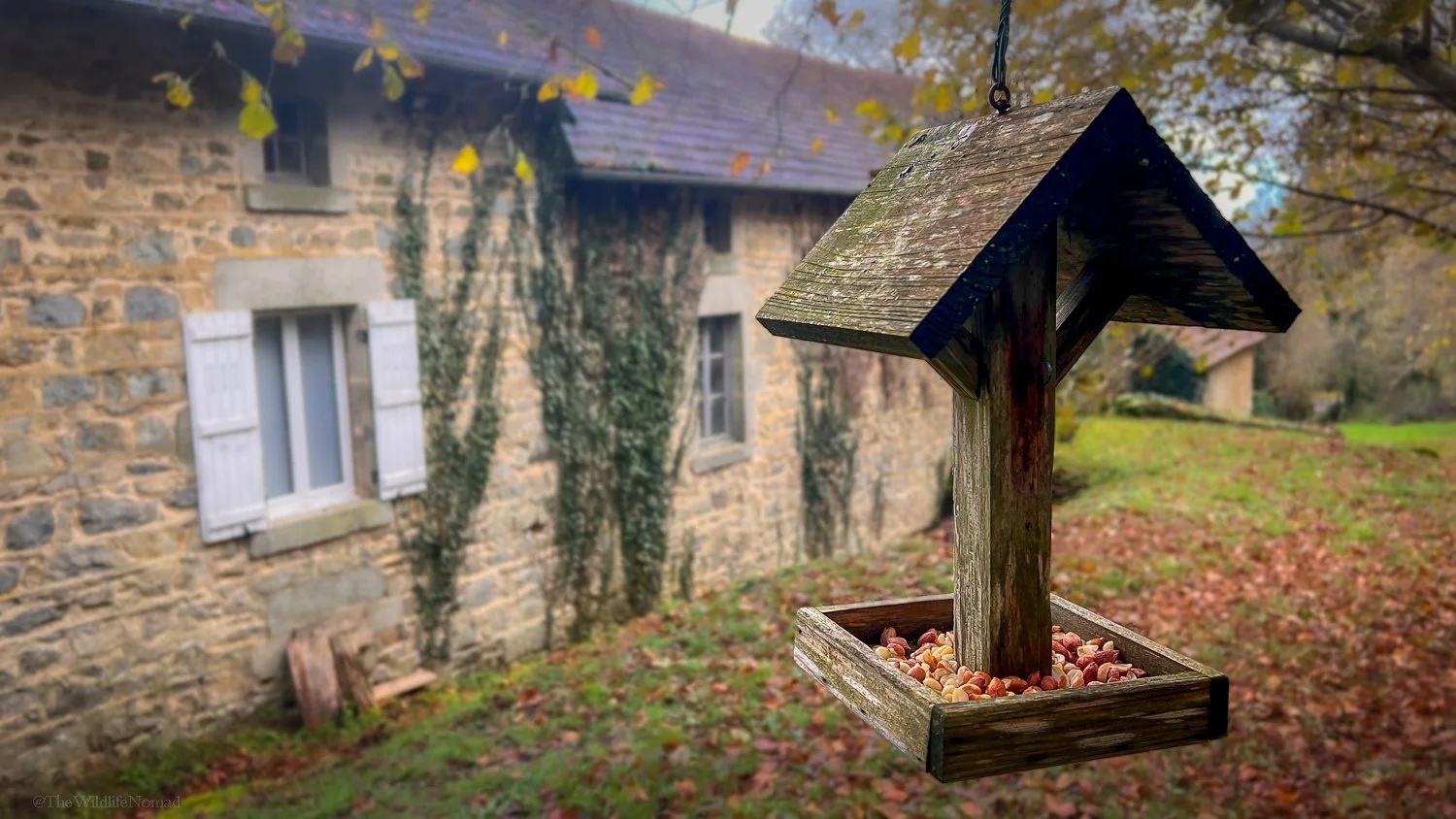
Quick Guide: 10 Common Garden Birds in Britain (images below)
Blackbird — all black with orange beak — commonly seen feeding on lawns.
Blue Tit — blue cap and yellow chest — frequent visitor to bird feeders.
Wood Pigeon — large grey pigeon with white neck patch — often seen on lawns or perched in trees.
Robin — bright red chest — commonly seen on garden paths and flower beds.
House Sparrow — small brown bird often seen in noisy groups — found around hedges and feeders.
Great Tit — yellow chest with bold black stripe — visits feeders and trees.
Dunnock — grey head and brown streaked back — usually feeding quietly beneath shrubs.
Goldfinch — red face and yellow wing stripe — often gathers at niger seed feeders.
Song Thrush — brown with dark spots on chest — seen hopping across lawns.
Great Spotted Woodpecker — black and white bird with red patch under tail — visits trees and peanut feeders.
How to Identify Garden Birds Quickly
When trying to identify birds in your garden, focus on three simple clues.
Size and shape
Some birds are chunky and rounded, like pigeons and blackbirds, while others such as blue tits are small and compact. Noticing a bird’s silhouette is often the fastest way to narrow down its identity.
Colour patterns
Distinctive markings are very useful clues. The robin’s red breast, the goldfinch’s red face, or the great tit’s black chest stripe can help you recognise the species instantly.
Behaviour
Birds often reveal their identity through behaviour. Blackbirds search lawns for worms, blue tits cling to feeders, and woodpeckers climb tree trunks.
Once you begin watching these details, identifying garden birds becomes much easier.
1. Blackbird

The blackbird is one of the most familiar birds in Britain and is present in almost every garden.
How to identify a blackbird
Male blackbirds are easy to recognise. They have entirely black plumage, a bright orange-yellow beak and a yellow eye-ring.
Female blackbirds look quite different. They are dark brown with slightly speckled chests and a darker beak.
Behaviour
Blackbirds are usually seen running across lawns before suddenly stopping to listen for worms beneath the soil. Their rich, fluting song is one of the most recognisable sounds of spring evenings.
When you’ll see them
Blackbirds are present in gardens throughout the year.
2. Blue Tit
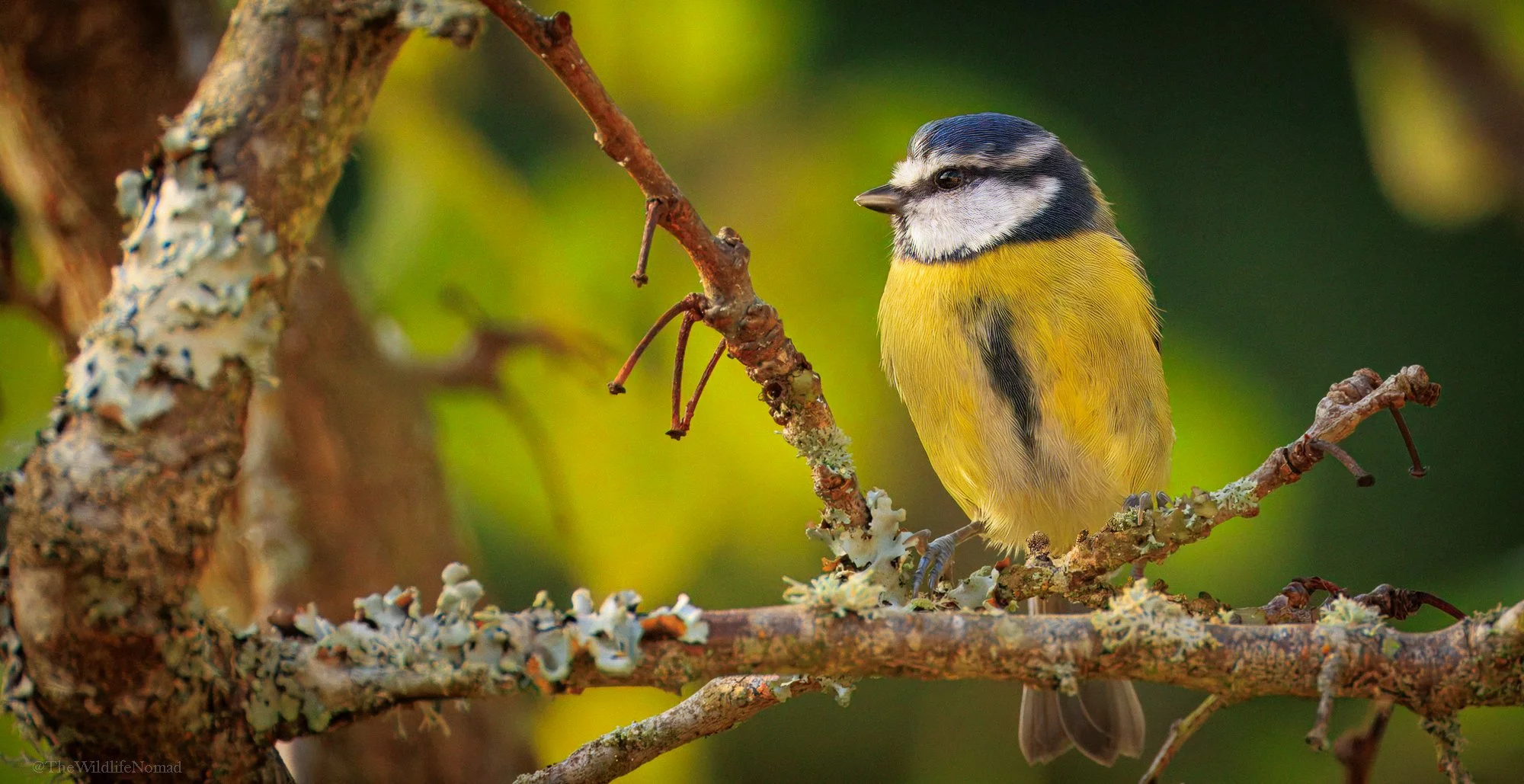
The blue tit is one of the most colourful and energetic birds found in British gardens.
How to identify a blue tit
Look for a bright blue cap and wings, a yellow chest and a white face marked by a dark eye stripe.
Behaviour
Blue tits are extremely agile birds and often hang upside down on bird feeders while feeding on seeds or fat balls. They move quickly through branches and are among the most active birds in the garden.
When you’ll see them
Blue tits are common throughout the year, particularly in gardens with feeders.
3. Wood Pigeon

The wood pigeon is the largest bird commonly seen in British gardens.
How to identify a wood pigeon
Key features include a large grey body, a pinkish breast and a distinctive white patch on the side of the neck.
Behaviour
Wood pigeons are often seen feeding on lawns, seeds or garden plants. Their slow, deep cooing call is a familiar sound across towns and countryside.
When you’ll see them
Wood pigeons are present in gardens all year round.
4. Robin
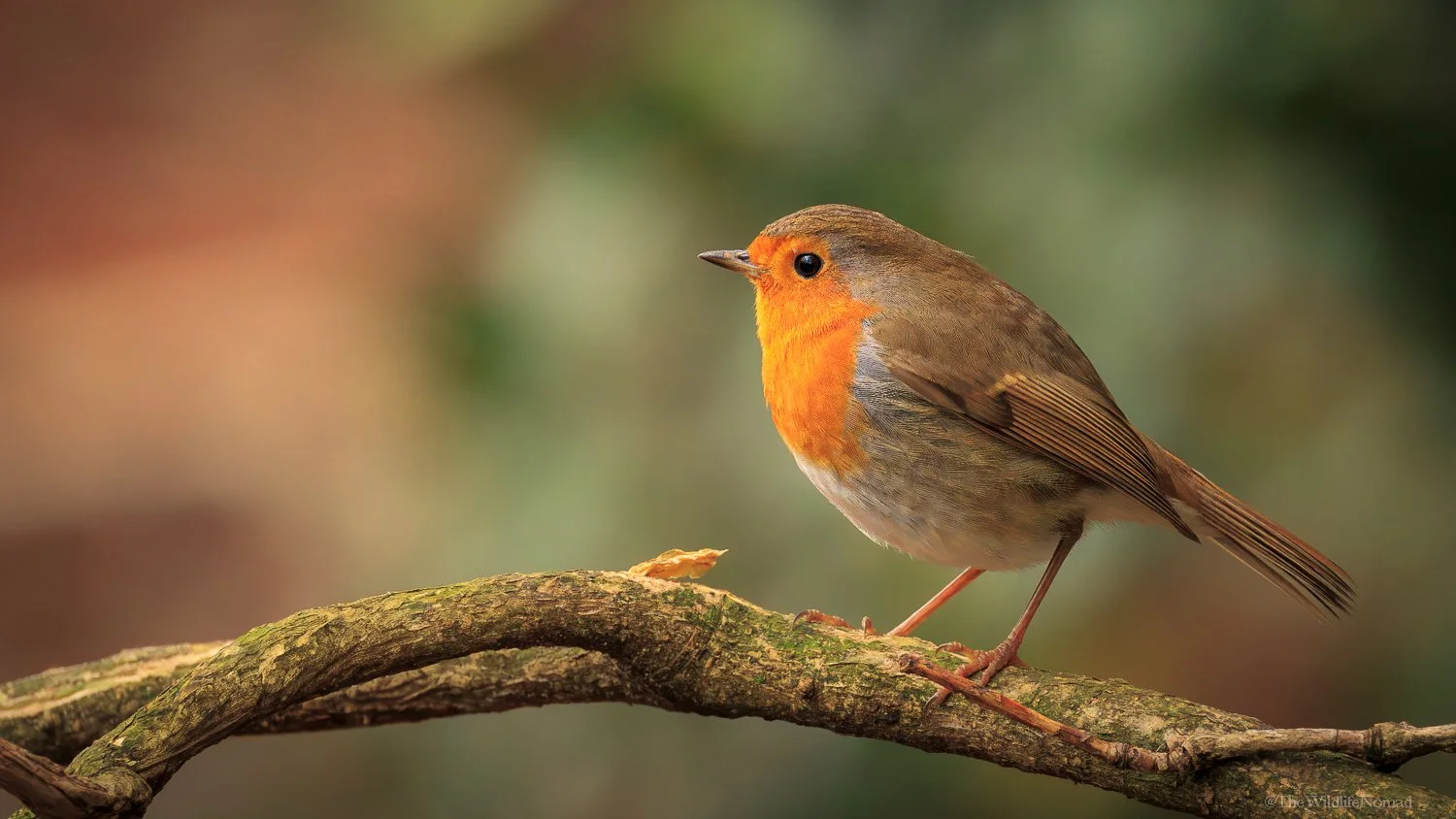
Few birds are as instantly recognisable as the robin.
How to identify a robin
Robins have a bright orange-red face and chest, a small rounded body and a characteristic upright posture.
Behaviour
Robins are famously curious birds and often follow gardeners closely, waiting for worms or insects uncovered by digging.
When you’ll see them
Robins remain in gardens throughout the year and often sing even during winter.
5. House Sparrow
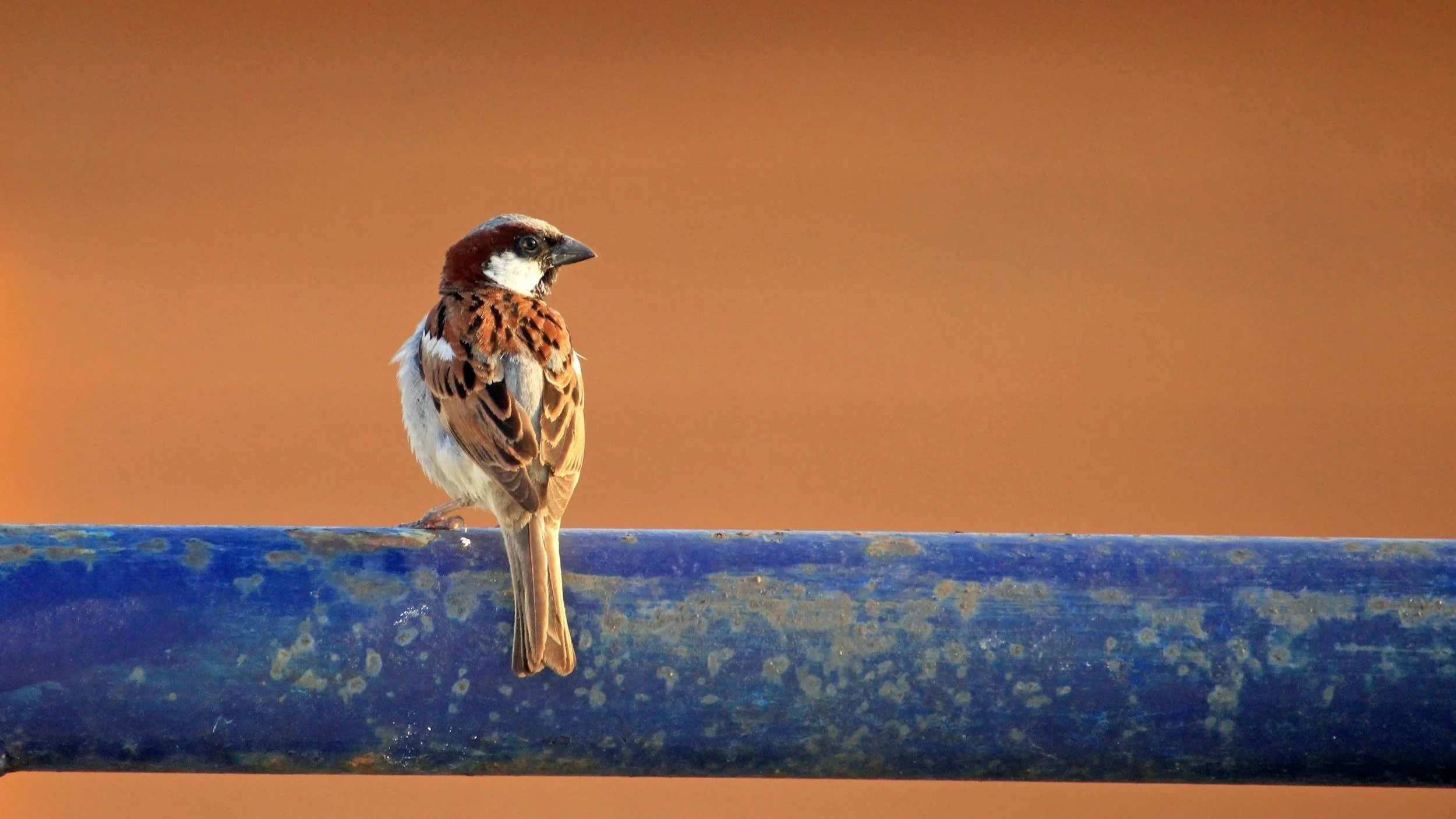
House sparrows were once the most common garden birds in Britain and are still widely seen in many areas.
How to identify a house sparrow
Male house sparrows have a grey crown, chestnut brown back and a black throat patch.
Females are more subtle in colour, with brown and buff plumage and a pale eyebrow stripe.
Behaviour
House sparrows are highly social birds and often gather in lively, noisy groups around feeders and hedges.
When you’ll see them
House sparrows can be seen in gardens year round, particularly in towns and villages.
6. Great Tit

The great tit is Britain’s largest common tit species.
How to identify a great tit
Look for a bright yellow chest with a bold black stripe running down the centre. The head is black with distinctive white cheeks.
Behaviour
Great tits are confident birds and are often dominant at feeders, sometimes pushing aside smaller species such as blue tits.
When you’ll see them
They are present in gardens throughout the year.
7. Dunnock
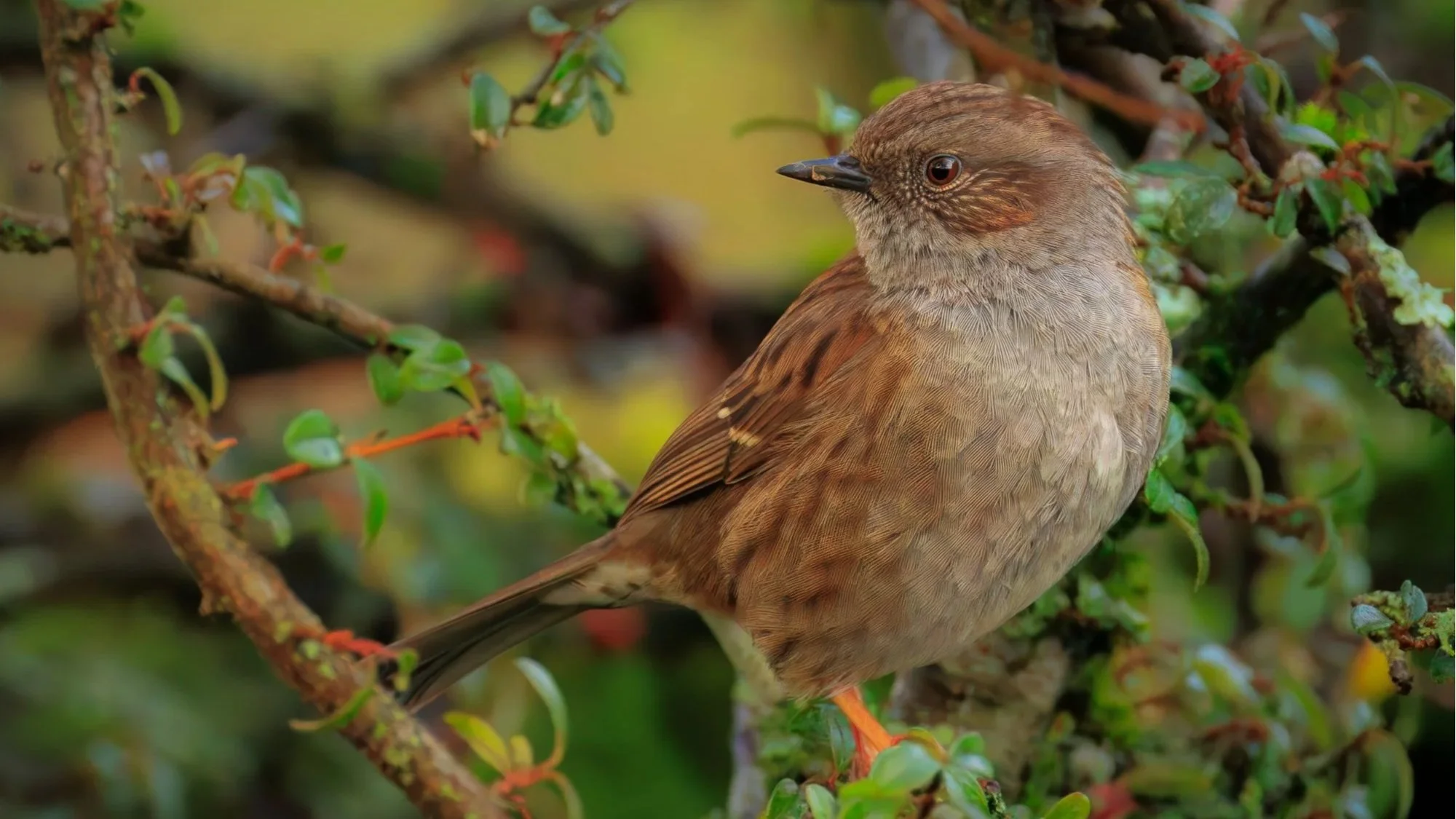
The dunnock is sometimes called the hedge sparrow, although it is not closely related to sparrows.
How to identify a dunnock
Dunnocks have a grey head and chest, brown streaked back and a slender insect-eating beak.
Behaviour
They usually keep low in hedges or feed quietly on the ground beneath shrubs, which makes them easy to overlook.
When you’ll see them
Dunnocks are present all year in most gardens.
8. Goldfinch
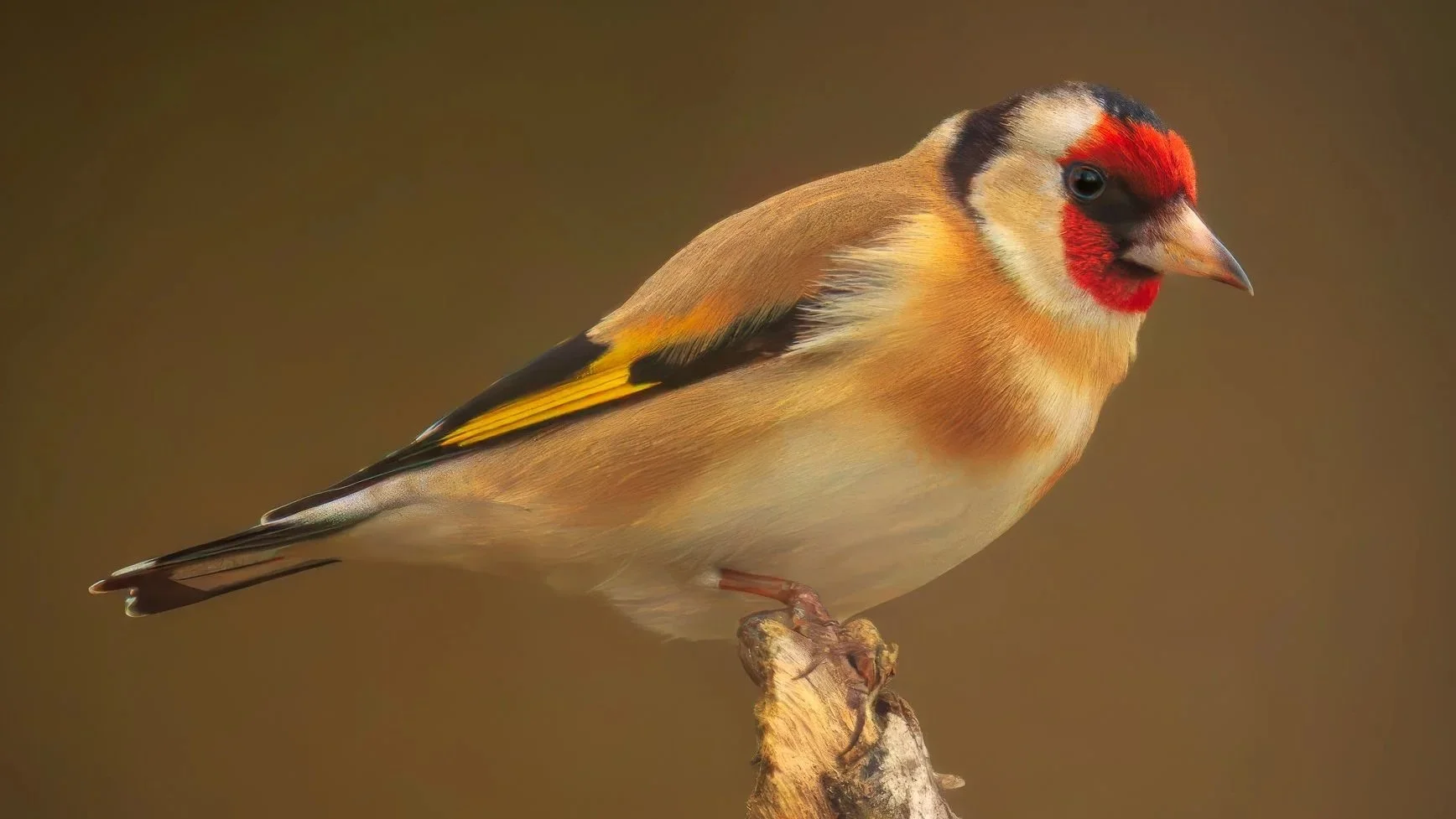
Goldfinches are among the most colourful birds visiting British gardens.
How to identify a goldfinch
Key features include a bright red face, a black and white head and a bold yellow stripe across the wings.
Behaviour
Goldfinches often arrive in small flocks and are especially attracted to niger seed feeders.
When you’ll see them
They visit gardens throughout much of the year.
9. Song Thrush
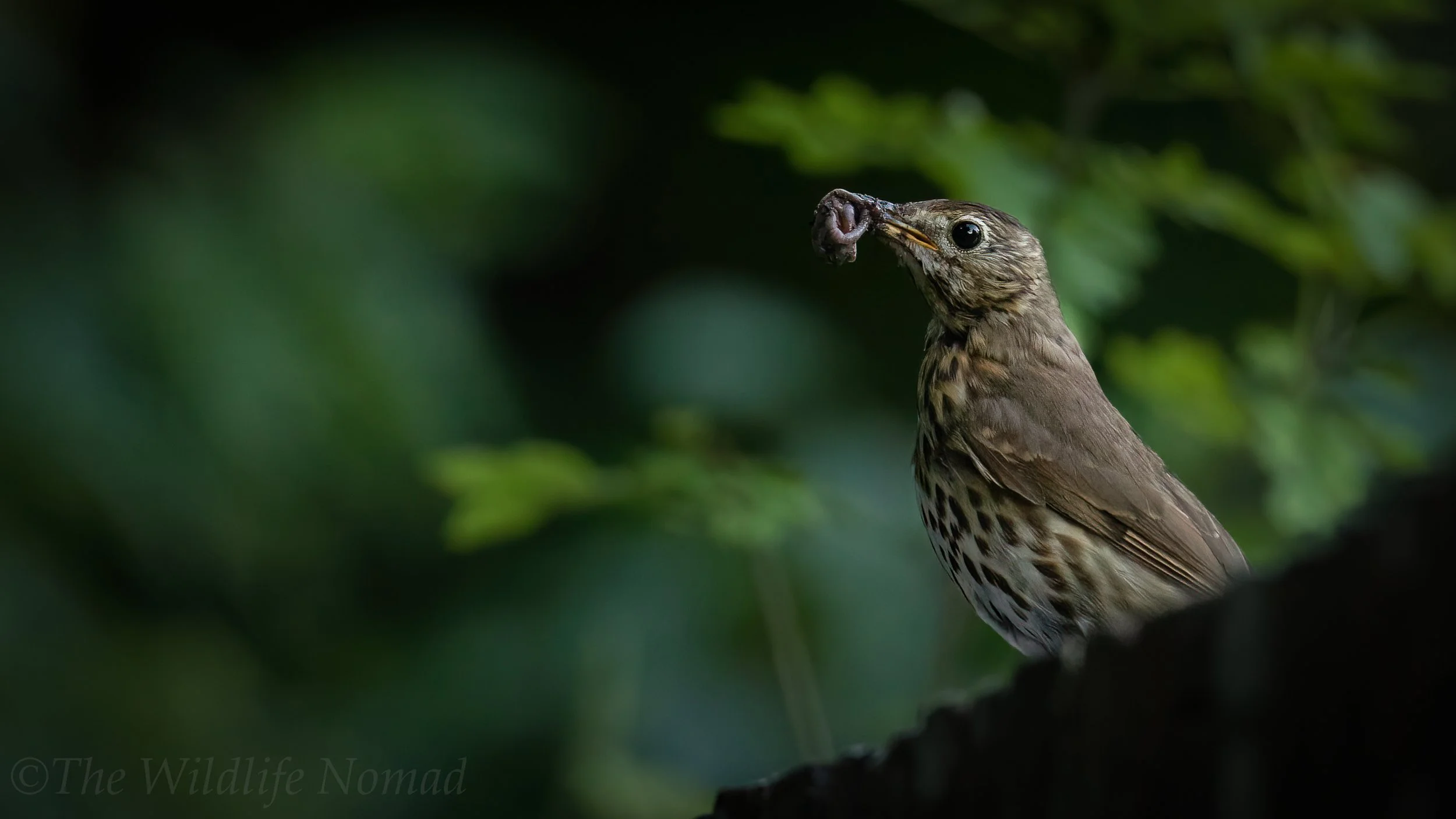
Song thrushes were once extremely common garden birds but have declined in parts of Britain.
How to identify a song thrush
They have brown upperparts and a cream chest covered in dark spots. They are slightly smaller than a blackbird.
Behaviour
Song thrushes are famous for smashing snails against stones known as anvils in order to break the shells.
When you’ll see them
They are most frequently noticed during spring when they sing loudly from prominent perches.
10. Great Spotted Woodpecker

The great spotted woodpecker has become an increasingly common visitor to gardens in recent decades.
How to identify a great spotted woodpecker
It has bold black and white plumage and a bright red patch under the tail. Males also have a small red patch on the back of the head.
Behaviour
Great spotted woodpeckers often visit peanut feeders and are famous for their loud drumming on trees during spring.
When you’ll see them
They can appear in gardens at any time of year, especially where mature trees are nearby.
Where Garden Birds Spend Their Time
Different birds tend to use different parts of the garden.
Lawns
Blackbirds and song thrushes often search lawns for worms and insects.
Bird feeders
Blue tits, great tits, house sparrows and goldfinches regularly visit feeders for seeds or fat.
Trees and branches
Robins, wood pigeons and woodpeckers frequently perch in trees where they can watch the garden below.
Hedges and shrubs
Dunnocks and sparrows rely on hedges for shelter and nesting sites.
Gardens that contain a mix of these features usually attract the greatest variety of birds.
Tips for Identifying Garden Birds in the UK
If you are new to birdwatching, a few simple observations can make identification much easier.
Look at the bird’s shape. Even before colour patterns become clear, the silhouette of a bird often gives away its identity.
Watch how the bird moves. Some species feed on the ground while others prefer trees or feeders.
Listen to their calls. Many birds are easier to recognise by sound than by sight.
Spend time observing. The more time you watch your garden, the more familiar these birds will become.
Frequently Asked Questions About Garden Birds in Britain
What are the most common garden birds in the UK?
Some of the most common species include blackbirds, robins, blue tits, house sparrows, wood pigeons and great tits.
What birds visit British gardens in winter?
Winter gardens often attract robins, blackbirds, blue tits, great tits, wood pigeons and flocks of goldfinches.
How can I attract birds to my garden?
You can attract birds by providing bird feeders, fresh water, hedges for shelter and avoiding the use of pesticides.
Why are birds important in gardens?
Garden birds help control insect populations, spread seeds and bring life and seasonal rhythms to both urban and rural environments.
Why Watching Garden Birds Matters
Across Britain, gardens form an important network of habitat for wildlife.
Hedges, trees, feeders and ponds provide shelter and food for many species that might otherwise struggle in increasingly managed landscapes. By simply paying attention to the birds visiting your garden, you begin to reconnect with the rhythms of the seasons and the quiet lives unfolding just outside your door.
Often the first step into wildlife watching begins not in remote wilderness, but in the garden.